When embarking on DIY home textile projects, one question often arises: what fabrics are best for DIY home textile projects? Selecting the right material is crucial. The fabric you choose will affect the overall aesthetic, durability, and functionality of your creations. From upholstery to curtains, the fabric can transform a space.
Consider the texture and weight of the fabric. Lightweight fabrics like cotton or linen work well for drapes, while canvas or denim offers robustness for upholstery. Each fabric type has its unique qualities. Often, beginners overlook these details, leading to disappointing results. It's easy to be tempted by vibrant colors or patterns without considering how they'll perform.
Moreover, sustainability is an essential factor today. Some may find it challenging to balance style with eco-conscious choices. With many options available, feeling overwhelmed is understandable. Researching fabric types can enhance your project's outcome. Reflecting on your needs and preferences will guide you to the best choices for your DIY endeavors.
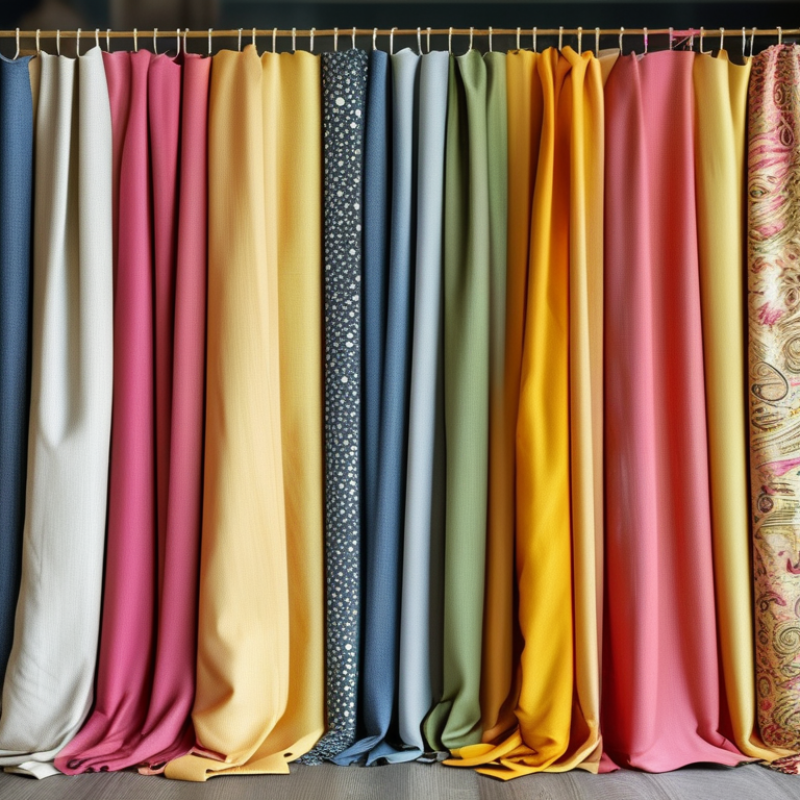
When embarking on DIY home textile projects, understanding fabric types is essential. Cotton is a popular choice due to its softness and breathability. According to industry reports, cotton accounts for 30% of the global textile market. It’s easy to sew and comes in various patterns, making it ideal for curtains and cushion covers.
Linen, another excellent option, stands out for its durability and moisture-wicking properties. With a natural texture, linen can add depth to any room. However, it tends to wrinkle easily, so consider pre-washing it before use. A study published by the Textile Research Journal highlights linen's increasing popularity, especially among eco-conscious consumers.
When selecting fabrics, pay attention to their characteristics. For example, synthetic blends can offer durability, but they may not be as breathable. It’s crucial to match the fabric with your project needs.
Tips: Always test a small fabric sample with your sewing machine. This approach helps you gauge how it handles. Additionally, consider your home’s color palette and choose fabrics that complement it. This thoughtful selection will enhance your overall design.
| Fabric Type | Best Uses | Durability | Care Instructions |
|---|---|---|---|
| Cotton | Curtains, cushions, bed linens | Moderate | Machine washable, tumble dry |
| Linen | Tablecloths, summer curtains | High | Hand wash, hang dry |
| Polyester | Upholstery, drapery | Very High | Machine washable, easy care |
| Silk | Luxury cushions, decorative throws | Low | Dry clean only |
| Fleece | Blankets, throws | Moderate | Machine washable, quick dry |
Choosing the right fabric for your DIY home textile projects can greatly influence the final outcome. Consider the purpose of the item you're creating. For a cozy throw blanket, soft fabrics like fleece or flannel work well. They provide warmth and comfort, ideal for snuggling. If you're crafting outdoor cushions, opt for outdoor fabrics. These materials resist fading and moisture, ensuring durability.
Texture plays a crucial role in your selection. Natural fibers like cotton and linen offer breathability, making them suitable for curtains or tablecloths. Synthetic blends, on the other hand, enhance durability but can feel less luxurious. Don't forget about color and pattern. Bold prints can energize a space, while soft hues bring calmness. Experimenting with various combinations can yield unique results.
Reflect on your experience as you choose. Sometimes, a fabric may not perform as expected. For instance, heavier materials can weigh down a design, impacting its functionality. Embrace those learning moments. Each project is an opportunity to grow your skills and refine your taste. The choice of fabric is not just about aesthetics; it's about how it fits into your life.
When choosing fabrics for DIY home textile projects, understanding the difference between natural and synthetic fibers is critical. Natural fibers, such as cotton and linen, are known for their breathability and eco-friendliness. According to a report from the Textile Exchange, organic cotton farming has grown 63% in recent years, reflecting a shift toward sustainable materials. However, natural fibers can be less durable and more prone to wrinkling.
On the other hand, synthetic fibers, like polyester and nylon, offer outstanding durability and resistance to fading. The global synthetic textile market is projected to reach $165 billion by 2027. This growth shows a strong preference for materials that last longer and require less maintenance. Yet, synthetic fibers can have environmental drawbacks, as they are derived from petroleum.
Tips: Consider blending fabrics. Combining natural and synthetic fibers can yield unique textures while providing both comfort and strength. Test fabric samples in various lighting to see how they perform. Pay attention to care instructions. While some fabrics are machine washable, others may require special treatment. Balancing the pros and cons of each type will enhance your DIY projects while contributing positively to your home environment.
When selecting fabrics for DIY home textile projects, durability and care are paramount. Reports indicate that over 60% of crafters prioritize fabric longevity in their selections. Choosing durable materials not only enhances the lifespan of your projects but also reduces the frequency of replacements, saving money in the long run. Cotton is well-known for its durability, yet it needs careful maintenance to retain color and texture.
Consider the care required for different fabrics. For example, polyester blends are stain-resistant and easy to clean. According to a study from the Textile Research Journal, fabrics that are easier to maintain account for a 30% increase in user satisfaction. These fabrics can withstand frequent washing without losing their appeal.
**Tips for Selecting Fabrics**: Always check the washing instructions before purchase. Fabrics like linen may require gentle cycles, while synthetic blends tolerate harsher conditions. Also, think about how often the item will be used. High-use items like sofa covers benefit from sturdier materials. Pay attention to fabric weight – heavier options can stand up to wear and tear better than light fabrics. Always keep in mind that the texture and feel of fabric can influence its practical longevity.
Choosing the right fabric for DIY home textile projects is vital. Different fabrics bring unique properties that can significantly impact your design's aesthetic. Cotton is versatile and breathable, making it a go-to for curtains and cushions. Its vibrant colors and patterns can transform any space. However, it may not resist fading as well as other materials.
Linen, on the other hand, offers a natural texture. It drapes beautifully and provides a rustic feel. But it does wrinkle easily, which could be a consideration for some projects. Velvet adds luxury to any design. Its richness can elevate a space, but it’s often tricky to clean. Balancing these fabric properties with your project's vision is key.
Choosing fabrics involves some trial and error. You might find that what looks good in a store doesn’t fit your space as expected. Pay attention to texture and weight too. Some fabrics may appear stunning, yet might not hold up well under practical use. Reflecting on these factors can guide you to make more informed choices.
: Consider the purpose of the item, such as warmth for a blanket or durability for outdoor cushions.
Texture influences breathability and comfort. Natural fibers like cotton are breathable, while synthetic blends enhance durability.
Bold prints can energize a space, while soft hues provide calmness. Experiment to find the best combination for your project.
Durability is crucial. Choosing long-lasting materials saves money and reduces the need for frequent replacements.
Fabrics like polyester blends are easier to clean. Always check washing instructions and consider maintenance needs.
Heavier fabrics tend to withstand wear and tear better than lighter fabrics, making them suitable for high-use items.
Yes, a fabric may look good but might not perform well, such as heavier fabrics weighing down designs.
It’s easy to choose based on looks alone. Always reflect on how a fabric feels and how it fits in your space.
No, different fabrics have varied care needs. For instance, linen needs gentler cycles compared to sturdier synthetic blends.
Embrace learning moments from past projects. Each choice is a chance to refine your taste and skills in fabric selection.
Choosing the right fabrics for DIY home textile projects is crucial for achieving both functionality and aesthetic appeal. When considering what fabrics are best for DIY home textile projects, it's important to understand the different types of fabrics available, including both natural and synthetic fibers. Each type has its unique properties that cater to various project needs, from durability to ease of care.
Additionally, selecting materials based on their durability and maintenance requirements can greatly enhance the longevity of your creations. Matching the fabric properties with the intended design aesthetics also plays a vital role, ensuring that the finished project not only serves its purpose but also complements your home decor. By carefully evaluating these factors, DIY enthusiasts can create beautiful and lasting textile pieces.

Harbor Textiles