When it comes to home decor, decorative cushions play a vital role in enhancing aesthetics. They add texture, color, and comfort to any space. However, choosing the right materials can be daunting. Many homeowners wonder, "what fabrics are best for decorative cushions?"
The ideal fabric should not only look good but also withstand daily use. Cotton and linen are popular choices for their breathability and ease of cleaning. Velvet offers a luxurious touch, while outdoor fabrics are perfect for patio cushions. Each material brings its unique feel and properties to the space.
It’s essential to consider durability and maintenance. Some fabrics may fade in sunlight, while others resist stains better. Reflecting on your lifestyle can guide your choices. Don’t hesitate to mix different textures for a personalized look. Ultimately, the fabric you choose should resonate with your taste and fit the ambiance of your home.
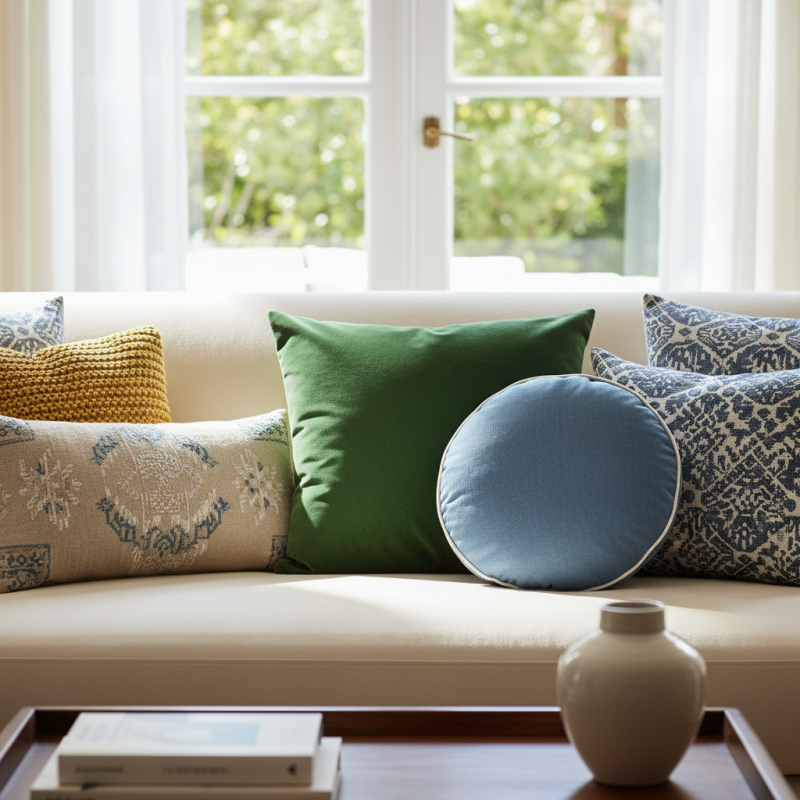
Decorative cushions serve more than just comfort in home decor. They add character and enhance the aesthetic appeal of a room. A well-placed cushion can change the atmosphere significantly, transforming a dull space into a vibrant retreat. The right fabrics can elevate these cushions, providing texture and warmth that invites touch and interaction.
When selecting fabrics, consider their visual and tactile qualities. Soft velvets and textured weaves can create a cozy feel, while linen adds a casual elegance. Sometimes, the colors might clash with existing decor, leading to an unbalanced look. Balancing patterns and hues is essential. Also, the fabric's durability is crucial; you want cushions that withstand daily use without losing their charm.
Cushions can reflect personal style. An eclectic mix can tell a story, but overdoing it can feel chaotic. Less can often be more. Experiment with sizes and shapes; an oversized cushion can make a bold statement, while smaller ones can create layers. Each choice contributes to a harmonious design, yet finding that perfect balance may require multiple tries. Embrace the process; it's a journey of self-expression and creativity.
Choosing the right fabric is essential for decorative cushions in home decor. Different fabrics offer unique characteristics that enhance style and comfort.
Cotton is popular due to its softness and durability. It withstands regular cleaning and maintains its shape. Linen, on the other hand, adds a natural touch with its textured weave. However, it wrinkles easily and requires careful handling. Velvet exudes luxury and warmth. It feels plush but can be challenging to clean.
Tips for choosing fabrics include considering your lifestyle. If you have pets or children, stain-resistant fabrics are wise. Materials like polyester or treated cotton can be easier to maintain. Mixing fabrics offers a dynamic look, yet be cautious with contrasting textures. Too much variety can create a cluttered appearance. Always test samples in different lighting to see the true colors.
Choosing cushion fabrics isn’t always straightforward. Some heavier materials might not work on lightweight frames. Also, remember that lighter fabrics can be less durable. Embrace imperfection; unique patterns or slight variations can add character. Ultimately, the right fabric blends function with aesthetic appeal.
| Fabric Type | Key Characteristics | Durability | Maintenance | Best For |
|---|---|---|---|---|
| Cotton | Soft, breathable, and available in various colors | Moderate | Machine washable | Casual and family-friendly decor |
| Linen | Textured, elegant, and cool to the touch | Low to moderate | Dry clean recommended | Formal settings and summer decor |
| Velvet | Luxurious, soft, and rich colors | High | Spot clean only | Elegant and opulent designs |
| Polyester | Durable, wrinkle-resistant, and fade-resistant | High | Machine washable | All-purpose and kid-friendly |
| Silk | Soft, shiny, and smooth with a luxurious feel | Low | Dry clean only | Luxury and sophisticated decor |
When it comes to selecting fabrics for decorative cushions, various factors play a role. Texture, durability, and color are key elements to consider. Natural fabrics like cotton and linen offer breathability and comfort. They are perfect for casual settings. Synthetic options such as polyester and acrylic provide resilience and are easy to clean. These materials are ideal for high-traffic areas.
In addition to practicality, fabric patterns can enhance your decor. Bold prints can serve as focal points. Subtle hues may create a calm atmosphere. Velvet and silk lend a touch of luxury. They can elevate a simple space into something sophisticated. However, these materials may require more care and maintenance.
Selecting the right fabric can be a challenge. Personal taste plays a significant role in the decision-making process. It is essential to think about how the cushions fit into your overall design scheme. Experimentation may lead to unexpected results. Swatches can help visualize how fabrics work together. This process encourages reflection on color and texture combinations.
Choosing the right fabric for decorative cushions can significantly impact your home decor. Consider factors like durability, comfort, and maintenance. According to a 2022 report by the Textile Association, over 70% of consumers prefer fabrics that are both soft and robust. Cotton and linen are popular for their breathable qualities. They are gentle against the skin and perfect for everyday use.
Color and pattern also play crucial roles. Vibrant colors can enliven a space, while neutral shades provide a calm atmosphere. A study from the Interior Design Institute noted that 85% of homeowners value the emotional impact of color in their decor choices. However, trends change quickly. What seems stylish today may seem outdated tomorrow. Choosing fabrics based solely on trends can lead to regrets down the line.
Finally, consider the environmental impact. Sustainable options are now more accessible. Many consumers prioritize eco-friendly materials. A report by Green Living Magazine highlighted that 65% of buyers are now inclined to choose sustainable home goods. Yet, finding the balance between aesthetics and sustainability can be challenging. Aim for blends that offer both style and ethical sourcing.
When choosing decorative cushions, care and maintenance for different fabrics are crucial. Each fabric type has unique characteristics. For example, cotton is soft and easy to clean but can fade under direct sunlight. Regular washing helps maintain its look. However, it may shrink or lose shape if not dried properly.
Conversely, silk offers a luxurious feel but requires delicate handling. It’s best to clean silk cushions with a professional service to avoid damage. Spot cleaning can also work for minor stains, but it’s risky. Velvet cushions have a rich texture but attract dust. Regular vacuuming is recommended, but brushing can help maintain their appearance.
Lastly, synthetic fabrics like polyester are durable and stain-resistant. Yet, they can be prone to static and may hold onto odors. Making time for routine maintenance ensures the longevity of your cushions. Think about the effort involved in maintaining each fabric type before making a decision. It’s easier to love your cushions when they're easy to care for.
: Decorative cushions enhance a room's character and aesthetic appeal, transforming dull spaces into vibrant retreats.
The right fabric affects texture and warmth. Soft velvets create coziness, while linen offers casual elegance.
Consider visual qualities, durability, and how they balance with existing decor to avoid an unbalanced look.
An eclectic mix of cushions tells a story, but too many styles can feel chaotic. Less can be more.
Each fabric type varies; for instance, cotton is easy to clean, while silk requires careful handling.
Yes, mixing fabrics adds dynamism, but too much variety might clutter the appearance. Balance is key.
If pets or children are present, choosing stain-resistant materials like polyester is practical for easy maintenance.
Lighter fabrics can be less durable and may not last as long with daily use. Finding balance is crucial.
Velvet cushions require regular vacuuming and brushing to maintain their rich texture and appearance.
Yes, testing samples in different lighting helps reveal true colors and can prevent mismatches in your decor.
In the realm of home decor, decorative cushions play a significant role in enhancing aesthetics and comfort. Understanding the purpose of these cushions helps in selecting the right fabrics. When it comes to what fabrics are best for decorative cushions, key characteristics include durability, texture, and the ease of cleaning. Popular fabric choices vary from soft cottons and luxurious velvets to resilient polyester, each offering unique advantages and styles.
When choosing cushion fabrics for your home, consider factors such as the intended use, color scheme, and overall decor theme. Maintaining the longevity of these cushions is also essential; thus, understanding care and maintenance tips for different fabrics can preserve their beauty and functionality. By carefully selecting the right material, you can elevate your living space with stylish and comfortable decorative cushions.

Harbor Textiles