Best Fabrics for Stuffed Toys You Must Know?

Time:2026-05-16 Author:Isabella
0%

When crafting the perfect stuffed toy, one crucial consideration is the fabric. According to Emma Marshall, a renowned textile expert, “The choice of fabric can define a toy's character.” So, what are the best fabrics for stuffed toys? It’s a blend of comfort, durability, and safety.

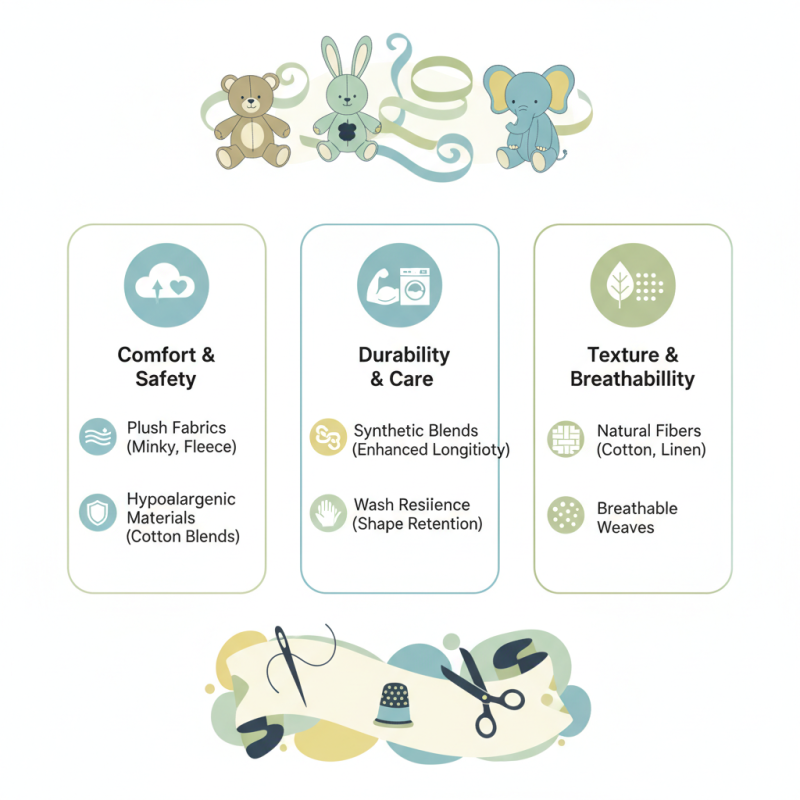
Many parents search for soft, hypoallergenic materials. Plush fabrics, like minky or fleece, are popular for their cuddly texture. However, not all fabrics are created equal. Some may wear out quickly or lose shape after washing. This can lead to disappointments down the line.

Exploring options isn’t just practical; it’s about finding what feels right. While cotton offers breathability, synthetic blends might enhance durability. Each fabric has its own benefits and drawbacks. Understanding these nuances can help in selecting the ideal material for your creation. The fabric choice is more than aesthetics; it influences the toy's longevity and safety.
Best Fabrics for Stuffed Toys You Must Know?

Essential Properties of Fabrics for Stuffed Toys

When choosing fabrics for stuffed toys, several essential properties come into play. Softness is crucial because children will cuddle these toys. Fabrics like fleece or plush offer a gentle feel against the skin.

Durability is another key factor. The fabric must withstand rough play and frequent washing. A strong weave ensures longevity, making the toys last through countless hugs.

Additionally, safety should never be compromised. Non-toxic materials are a must, especially for toys intended for infants. Fabrics that are free from harmful chemicals provide peace of mind for parents.

Colorfastness is also important, as bright colors make toys visually appealing. However, some dyes can fade over time, causing disappointment.

In the quest for the best fabric, consider the ease of sewing and stuffing as well. Some fabrics can be tricky to work with, leading to frustrating experiences. It’s worth experimenting to find the right balance between beauty and functionality in stuffed toy designs. The right fabric can elevate a simple toy into a cherished companion for years.

Natural vs. Synthetic Fabrics: Advantages and Disadvantages

When choosing fabrics for stuffed toys, consider the benefits and drawbacks of natural and synthetic materials. Natural fabrics like cotton and wool are often soft and breathable. They provide a sense of comfort, which is great for children's toys. However, these fabrics can be prone to wear and tear. They may stain easily, which is a concern for parents.

On the other hand, synthetic fabrics, such as polyester and nylon, are durable and easy to clean. They often resist stains and wear, making them practical for toys. Yet, some children may be sensitive to these materials. They could lead to allergic reactions or discomfort during playtime. It’s essential to weigh these factors.

Choosing between natural and synthetic options can be tricky. Each type has unique characteristics and potential downsides. Think about the intended use and the child’s sensitivities. Reflecting on these aspects may help you find the best fabric for creating safe, lovable stuffed toys.

Popular Fabric Choices for Stuffed Toys

When creating stuffed toys, choosing the right fabric is crucial. Softness, durability, and safety are key factors to consider. Fleece is a top choice due to its warm, plush texture. It feels great against a child’s skin and comes in vibrant colors. This fabric is easy to sew, making it perfect for beginners.

Cotton is another popular option. It is breathable and tends to hold its shape well. Different patterns and prints are available, which can add character to toys. However, cotton may not be as durable as synthetic fabrics. It requires careful washing to avoid fading.

Consider also minky fabric. Its unique, bumpy texture provides a sensory experience. However, it can be challenging to work with; it slips easily and requires extra care when cutting. Ultimately, while these fabrics offer a range of benefits, each comes with its own challenges. Making a thoughtful selection can ensure your stuffed toy is both safe and enjoyable.

Safety Standards and Regulations for Toy Fabrics

When selecting fabrics for stuffed toys, understanding safety standards is essential. According to the Consumer Product Safety Commission, toys must meet specific regulations. These ensure that the materials used are non-toxic and safe for children. Fabrics should be free from harmful chemicals like phthalates and lead. Reports indicate that around 15% of toys sold in the market fail to meet these safety requirements.

Testing includes evaluating flammability and the potential release of small parts. Additionally, the American Society for Testing and Materials (ASTM) has guidelines for safety in textile toys. They emphasize durability and the potential for fabric to harbor allergens. While many fabrics are labeled as safe, not all pass rigorous testing, raising concerns for parents.

It’s vital to consider how these standards impact your choices. Not all charming fabrics are suitable for young children. For example, natural fibers like cotton are generally safer but may still harbor pesticides. Conversely, synthetic fabrics can pose risks if not properly tested. Awareness of these factors enhances the safety of stuffed toys. Materials should not only appeal visually but also adhere to strict safety regulations. Choosing wisely ensures that children's toys are both fun and safe.

Care and Maintenance Tips for Fabric Toys

Caring for fabric toys is essential for maintaining their charm and longevity. Regular cleaning can help prevent dust and allergens from accumulating. Washing the fabric toys gently in cold water is often recommended. Avoid harsh detergents. Spot cleaning with a mild soap is a safer option for delicate fabrics. Rely on your judgment to find the best method for your toy's material.

When it comes to dryers, less is more. Air drying is ideal to avoid shrinkage or damage. Remember to reshape the toy while it is damp. This ensures the toy retains its original form. Inspect the toys regularly for wear and tear. If you notice loose seams or small tears, repair them promptly. Ignoring these signs can lead to bigger issues down the line.

Storage is another important factor. Keep fabric toys in a clean, dry place. Avoid areas where they may become exposed to moisture or direct sunlight, as this can fade colors. Create a designated spot for your children's favorite toys. Too much clutter can lead to accidents. Reflect on your storage choices regularly to maintain an organized environment.

Best Fabrics for Stuffed Toys

Fabric Type Characteristics Care Instructions Durability Safety
Cotton Soft, breathable, hypoallergenic Machine wash cold, tumble dry low Moderate Safe for kids
Fleece Warm, soft, and stretchy Machine wash warm, no bleach High Safe for kids
Minky Super soft, plush, luxurious feel Hand wash recommended, air dry Moderate Safe for kids
Terry Cloth Absorbent, soft, textured Machine wash cold, gentle cycle High Safe for kids
Velvet Soft, rich texture, luxurious look Spot clean recommended Moderate Safe for kids

FAQS

: What safety standards should toy fabrics meet?

: Toy fabrics must be non-toxic and free from harmful chemicals. They should meet specific regulations set by safety authorities.

Why is it important to test toys for flammability?

Testing for flammability prevents potential fire hazards. It helps ensure the toy is safe during playtime.

What common issues do fabric toys face?

Fabric toys may harbor allergens or wear down over time. Regular inspection for loose seams is necessary.

How can I clean my child's fabric toy?

Wash fabric toys gently in cold water. Spot clean with a mild soap for delicate materials.

Is air drying better than using a dryer?

Yes, air drying prevents shrinkage and damage. Reshape the toy while damp to maintain its form.

How should I store fabric toys?

Store fabric toys in a clean, dry place away from moisture and sunlight. This helps preserve their colors and shape.

What materials are generally safer for stuffed toys?

Natural fibers like cotton are safer but may contain pesticides. Always check safety labels and regulations.

What should I do if I find a tear in a toy?

Repair any loose seams or small tears promptly. Ignoring them can lead to bigger problems in the future.

How often should I inspect fabric toys?

Regular inspections for wear and tear are important. Don’t wait until damage is visible to check toys.

Why is storage important for fabric toys?

Proper storage helps avoid accidents and preserves the toys’ quality. Reflect on your storage choices regularly.

Conclusion

When considering what are the best fabrics for stuffed toys, it's essential to understand their properties. Fabrics should be soft, durable, and safe for children. A comparison of natural and synthetic fabrics reveals important advantages and disadvantages: natural fabrics like cotton are breathable and hypoallergenic, while synthetic options can offer durability and vibrant colors.

Popular fabric choices include flannel, fleece, and plush, each serving unique purposes depending on the toy's design. Safety standards play a crucial role; fabrics must meet stringent regulations to ensure they are non-toxic and safe for children. Additionally, understanding proper care and maintenance is vital for the longevity of fabric toys, including regular washing and avoiding harsh chemicals. By considering these factors, one can select the perfect fabric to create safe and delightful stuffed toys.

Isabella

Isabella

Isabella is a dedicated marketing professional with a sharp focus on driving brand growth and engagement through strategic content creation. With an extensive background in digital marketing, she combines her passion for storytelling with her keen understanding of industry trends to deliver......