When considering how to choose the right faux fur fabric for clothing, it’s crucial to understand the market's dynamics. According to a recent report by Grand View Research, the global faux fur market is projected to reach $375 million by 2027, demonstrating significant consumer interest in sustainable and animal-friendly fashion. This growth reflects a shift towards ethical choices in material selection.
Faux fur offers versatility and a range of textures, making it a popular choice for designers and consumers alike. However, not all faux furs are created equal. Understanding the differences in quality, durability, and feel is essential. A study from the fashion industry suggests that nearly 70% of buyers prioritize texture and softness when selecting fabric for their projects.
While the allure of luxurious faux fur is undeniable, it's important to remain cautious. Some brands may misrepresent their offerings, leading to dissatisfaction. Exploring various options and considering factors like weight and maintenance is vital. Ultimately, informed choices lead to better satisfaction and align with ethical fashion goals.
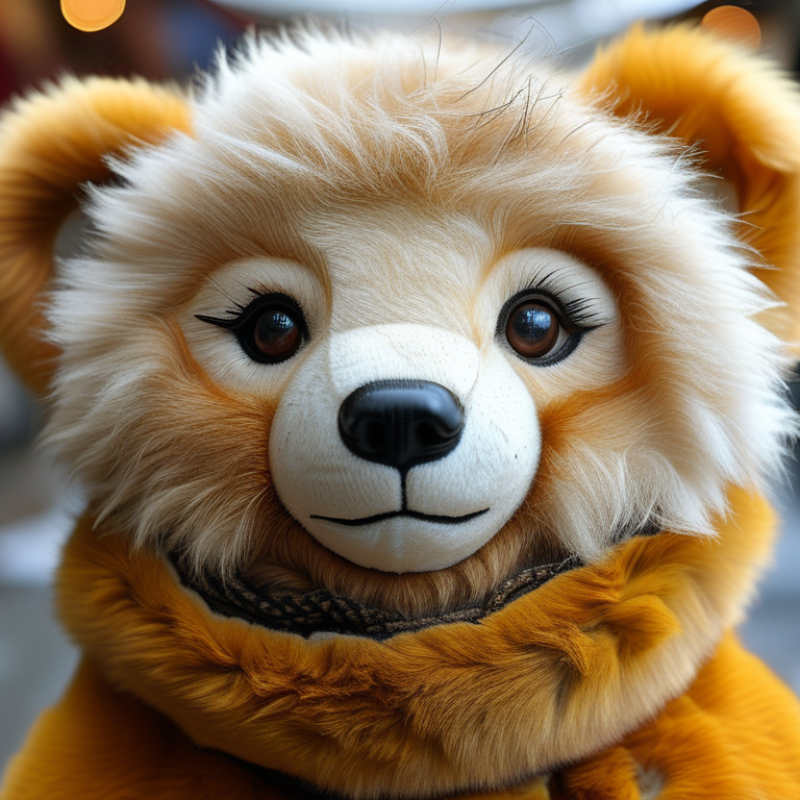
Choosing the right faux fur fabric begins with understanding the various types and textures available. Faux fur comes in different pile lengths and densities, impacting both appearance and feel. Short-pile faux fur is often softer and more versatile, while long-pile options add drama and warmth to garments. A survey conducted by the Textile Research Journal revealed that 70% of consumers prefer soft textures in their clothing.
When considering faux fur types, it's essential to think about their performance in real-world settings. Some fabrics are more durable, which can affect the lifespan of a garment. For instance, densely woven faux furs tend to resist matting better than loosely woven options. Additionally, texture plays a significant role in how the fabric drapes, which can influence the final look of a piece. According to a report from the International Textile and Apparel Association, 60% of designers believe that texture significantly affects consumer buying decisions.
It's also valuable to reflect on the environmental impact of choosing faux fur. Not all faux furs are created equal in terms of sustainability. Some may involve harmful manufacturing processes, while others prioritize eco-friendly practices. Selecting a fabric that's both appealing and sustainable can feel overwhelming. Nonetheless, research shows that conscious choices can lead to more positive consumer experiences in the long run.
When evaluating faux fur fabric, quality is crucial. Start by examining the texture.
High-quality faux fur should feel soft and luxurious against your skin.
It should mimic the appearance of real fur, with a dense, plush surface. Look for fur that doesn’t shed easily.
If the fibers come off readily, the fabric likely lacks durability.
Next, assess the backing material.
Quality faux fur will have a sturdy, well-constructed backing.
A flimsy backing might indicate low-quality fabric. Such faux furs can pucker or wear out quickly, affecting your clothing's lifespan.
The color should be rich and vibrant. Check for consistent shading throughout.
Uneven coloring may suggest a lower-quality product that could fade over time.
Don't forget to consider the fabric's weight and drape.
Lighter faux furs can be less durable and may not provide the warmth you desire.
Look for fabrics that hold their shape well. If the fabric moves too freely, it might be challenging to sew.
You want something that supports your design but doesn’t sacrifice comfort.
Reflect on these elements carefully. They will help you make a more informed choice.
When selecting faux fur fabric for clothing, color and pattern play a crucial role. Start by considering the mood you want to convey. Rich jewel tones can evoke luxury and sophistication. Soft pastels often suggest warmth and comfort. A bold pattern, like animal prints, can add an edgy flair to your design. Think about the garment’s purpose. Will it be casual or formal? This will guide your choice.
Another aspect is how different colors interact with one another. Complementary colors can create a striking effect, while analogous colors offer a more cohesive look. Patterns can be tricky; mismatched prints can look chaotic. Instead, aim for harmony. Experiment with swatches before making a final decision. Some colors may look different in various lights. This is often overlooked, leading to unexpected results in the final product.
Choosing the right faux fur involves careful thought. Fabrics can be deceiving in texture and appearance. Always consider how the color and pattern will perform in use. Will the garment maintain its vibrancy after washing? Reflect on wear and tear. Testing is essential to ensure durability. Balancing all these elements will lead to a beautiful outcome.
Caring for faux fur garments requires specific attention to detail. Regular maintenance can extend the life of these fabrics. According to Fabric Care Guidelines, faux fur is often machine washable on a gentle cycle. However, many prefer to hand wash to maintain the texture. Always use mild detergents to avoid damaging the fibers.
Drying can be tricky. Air drying is recommended, as high heat may cause the fibers to melt or lose their shape. Consider laying your garment flat to dry. A recent survey from the Textile Institute noted that nearly 30% of consumers ruin their faux fur items due to improper drying techniques.
Brushing the fabric with a soft brush can restore its fluffy appearance. This method helps untangle any matted areas. It’s essential to store faux fur in a cool and dry place. Avoid direct sunlight, which can fade colors. Reflecting on these care practices can lead to a longer-lasting wardrobe. Prioritizing maintenance shows how much you value your investment in faux fur fashion.
When considering faux fur fabric, sustainability and ethical choices become crucial aspects. The production of traditional fur often involves severe animal rights issues and significant environmental impacts. In contrast, faux fur can be a more humane alternative. However, not all faux furs are created equally, and consumers should be wary of choosing fabrics made from petroleum-based materials.
A 2021 report from the Sustainable Apparel Coalition revealed that over 60% of fabrics in the fashion industry contribute to negative environmental outcomes. Thus, selecting faux fur made from recycled materials helps mitigate ecological harm. Recycled polyester, for example, reduces the reliance on virgin materials and lowers carbon emissions during production. Consumers should look for certifications that highlight the use of recycled content.
It's essential to weigh the ethical implications of faux fur choices. Manufactured fake fur may have an appealing aesthetic, yet it can still contribute to microplastic pollution. Every choice comes with trade-offs. Weighing the comfort, durability, and environmental footprint of each fabric is critical. Reflecting on these aspects promotes a more informed decision-making process in clothing production and consumption.
: Faux fur comes in various pile lengths and densities, affecting both its appearance and feel.
Texture impacts how the fabric drapes and can significantly influence consumer buying decisions.
No, not all faux furs are sustainable. Some involve harmful manufacturing processes and materials.
Regular care is important. Faux fur is often machine washable, but hand washing is better for texture.
Air drying is recommended. Avoid high heat, which can damage the fibers and alter their shape.
Store faux fur in a cool, dry place away from direct sunlight to prevent color fading.
Brushing with a soft brush can help untangle matted areas and restore its fluffy look.
Recycled materials reduce reliance on virgin resources and lower carbon emissions during production.
Faux fur may contribute to microplastic pollution, prompting a need to weigh comfort and environmental impact.
Reflecting on durability, comfort, and environmental footprint helps promote better decision-making.
When considering how to choose the right faux fur fabric for clothing, it's essential to understand the various types and textures available. Different faux fur fabrics can have unique qualities that affect the look and feel of the final garment. Evaluating the quality involves checking for density, softness, and durability, which ensure a comfortable and lasting product. Additionally, color and pattern choices play a significant role in the overall design, allowing for creativity and personalization.
Maintenance is another crucial aspect where proper care instructions for faux fur garments can help retain their beauty and longevity. Furthermore, sustainability and ethical considerations should guide your choices, ensuring that the materials you select align with eco-friendly practices. By taking these factors into account, you can confidently select the perfect faux fur fabric for your clothing projects.

Harbor Textiles