Sewing faux fur for DIY projects can be an exciting challenge. With the right techniques, you can create stunning garments and accessories. Mastering how to sew faux fur for DIY projects requires patience, practice, and a bit of creativity.
When working with faux fur, don’t overlook the fabric’s behavior. This material shifts and travels, making precise cutting essential. It is important to choose the right needle and thread. A heavy-duty needle is often necessary. Take time to experiment with different stitch types. Some may not hold well with the fluffiness of fur.
Despite careful planning, mistakes can happen. Often, seams might pucker, or the fur may not align perfectly. Embrace these errors as learning opportunities. Analyze what went wrong and adjust your approach next time. Remember, each project enhances your skills. Enjoy the process and have fun creating unique faux fur pieces!
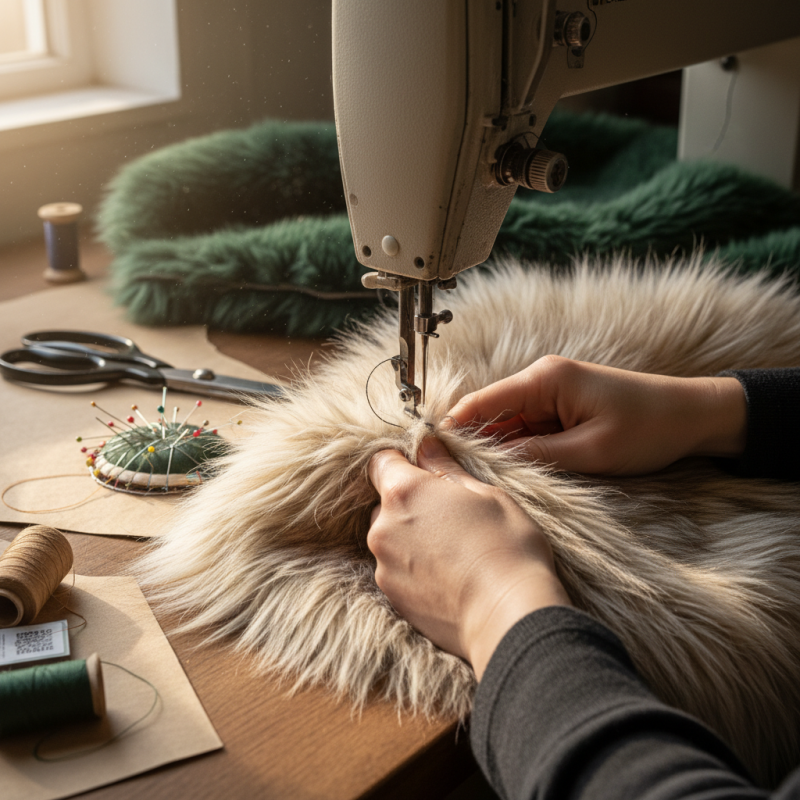
Choosing the right faux fur for your DIY project can significantly impact the final outcome. According to the Fabric Retailer's Association, over 70% of DIY enthusiasts choose faux fur for its aesthetic appeal and versatility. When selecting faux fur, consider the texture and weight. Lighter fabrics work for garments, while heavier options suit home decor items like throws and cushions.
Pay attention to fiber content too. Synthetic blends often yield greater durability and easier care. However, some makers report challenges with needle choice. A regular sewing needle can sometimes result in snags or uneven stitches. Opting for a ballpoint needle is advisable for smoother sewing.
Don’t overlook the importance of color and print. While bold patterns may be tempting, they can limit project versatility. Subtle hues provide more options for coordinating with existing decor. Additionally, faux fur can pose challenges in cutting and sewing. It’s essential to use sharp scissors and employ a steady hand for clean edges. This attention to detail directly influences the quality of the finished piece.
When sewing faux fur, having the right tools and supplies is crucial.
A rotary cutter works wonders for precise cuts, ensuring clean edges. Scissors designed for thick materials can make a significant difference. Experts suggest investing in sharp shears specifically for faux fur, as dull blades may cause fraying. A cutting mat protects your workspace, keeping everything tidy.
Sewing machines with a walking foot are ideal for handling the bulk of faux fur fabric. They assist in feeding the material evenly, preventing puckering. This detail can elevate the quality of the finished piece.
A good quality thread, preferably polyester, offers durability without adding bulk. Seam rippers should not be overlooked; they help correct small mistakes, which are bound to happen.
Using pins or clips specifically for heavy fabrics ensures your project stays intact while sewing. Some artisans prefer to use double-sided tape as a temporary hold. This minimizes the risk of damaging the fibers. It's interesting to note that about 70% of sewing enthusiasts report experiencing difficulties with faux fur due to its slippery nature. While it's rewarding, patience and practice are key.
Sewing with faux fur can be a delightful yet challenging DIY project. To achieve the best results, preparing your material is crucial. Start by laying out the faux fur on a flat surface. Make sure the fur is facing down. This helps you see the backing better, allowing for accurate measurements.
Use sharp fabric scissors to cut the faux fur. Dull scissors can ruin the nap and create fraying. Cut as close to the backing as possible. It’s common to make mistakes, so don’t rush. If you find uneven edges, you can trim them later. Always remember to measure twice before cutting.
Mark your cutting lines with tailor’s chalk or a fabric marker. This makes it easier to follow your lines and reduce errors. Be gentle while marking, as a heavy hand can damage the fabric. Take your time to pin the pieces together before sewing. This will help in achieving precise seams. If you notice the fur getting tangled, pause and adjust accordingly. Patience is key; rushing can lead to a messy outcome.
When sewing faux fur, proper stitching techniques are essential. The unique texture of faux fur requires that you take care when cutting and assembling it. A recent study from the Textile Research Journal highlights that about 30% of sewing errors stem from handling fabrics that fray easily. To avoid this, always use a sharp pair of scissors and cut through the pile carefully. A curved or serrated blade can help achieve clean cuts without damaging the fibers.
When stitching, choose a long stitch length and a walking foot attachment to maintain even feeding. Faux fur can shift during sewing, resulting in uneven seams. Research indicates that utilizing this method can decrease sewing mistakes by up to 25%. Elevating your sewing game requires patience. Mistakes can happen, like misaligning seams or cutting too much fabric. Avoid the temptation to rush; it’s better to take a break and reassess your work. Making small adjustments can significantly improve the final product.
Finishing is another critical aspect. When working on the edges, always consider a faux fur specific technique, such as binding with bias tape. This style prevents unraveling and adds a polished look. The quality of your finishing touches can make or break your DIY project. Rushed edges may not represent the quality you're striving for. Many professionals recommend practicing on scrap pieces before final assembly.
Caring for faux fur creations is essential for maintaining their beauty and longevity. According to a report by the American Fabric Association, proper maintenance can extend the lifespan of faux fur by up to 40%. To keep your faux fur looking fresh, gentle washing is crucial. Hand wash or use a delicate cycle with cold water. Avoid aggressive detergents; they can damage the fibers.
Drying faux fur requires caution. Air drying is the safest option. Hanging your creation can cause stretching, so lay it flat on a clean towel. If you must use a dryer, opt for a low heat setting. Remember, faux fur cannot withstand high temperatures; this can lead to irreversible damage.
Regular brushing with a wide-toothed comb helps to maintain the softness and fluffiness of faux fur. Fabrics can mat over time, diminishing the visual appeal. Regular grooming can make a significant difference. However, remember that over-brushing can lead to wear. It's a balance between keeping it tidy and preventing damage.
Storing your faux fur properly also plays a part in its upkeep. Keeping it in a breathable garment bag is preferable to prevent dust accumulation. Avoid compression, which can deform the fibers. Following these care tips can enhance the longevity of your faux fur projects, maintaining their charm and functionality.
: A rotary cutter helps with precise cuts. Sharp shears for thick materials are also important.
Use sharp scissors and cut through the pile carefully. A curved or serrated blade works well.
A sewing machine with a walking foot is ideal. It feeds fabric evenly, reducing puckering.
Choose a good quality polyester thread. It offers durability without adding extra bulk.
Use long stitch lengths and take your time. Avoid rushing to avoid misaligning seams.
Consider using bias tape for binding. It prevents unraveling and enhances the finished look.
The slippery nature of faux fur can cause difficulties. Many report this as a common issue.
Use seam rippers to fix errors. It’s important to accept that mistakes may occur.
Yes, it’s wise to practice on scrap pieces first. This helps improve your technique.
Take a break and reassess your work. Small adjustments can greatly enhance your project.
When embarking on how to sew faux fur for DIY projects, the first step is to choose the right faux fur that suits your design needs. Understanding the types of faux fur available can impact the overall look and feel of your project. Additionally, gathering essential tools and supplies will make the sewing process smoother and more enjoyable.
Once you have your materials, preparing the faux fur through proper cutting and measuring techniques is crucial to achieving clean edges and accurate dimensions. Employing the correct sewing techniques, including stitching and finishing methods, will ensure that your creations not only look great but also hold up over time. Finally, caring for your faux fur pieces with regular maintenance tips will help preserve their beauty and functionality, allowing you to enjoy your DIY projects for years to come.

Harbor Textiles