When shoppers compare sweatshirts, the surface often tells the first story. One fabric feels smooth and cool. Another feels soft, raised, and slightly warm. Yet appearance alone cannot explain performance. The practical question is, what is the difference between brushed and unbrushed fleece?
Brushed fleece has been mechanically treated to lift fibers on one or both sides. This process creates a fuzzy surface that traps more air, giving hoodies, jackets, and blankets a warmer hand feel. It can also improve softness against the skin. However, the raised fibers may flatten with washing or produce more visible pilling when exposed to friction. Quality depends on fiber type, brushing intensity, fabric weight, and finishing methods.
Unbrushed fleece, sometimes called French terry or loopback fleece, keeps a smoother face and visible loops on the reverse. It usually feels less plush but may offer better breathability and moisture movement during active use. The smooth interior can also resist matting more effectively. That assumption can mislead. Not every unbrushed fabric is cool, and not every brushed fabric is heavy.
A reliable comparison requires more than touching a store sample. Check the fabric weight, fiber blend, inside construction, stitching, and care label. Consider where the garment will be worn. A brushed sweatshirt may suit a cold commute, while unbrushed fleece may work better for layering or light exercise. Small differences matter. Personal comfort matters too. Even careful recommendations remain imperfect because warmth, softness, and durability can feel different from person to person.
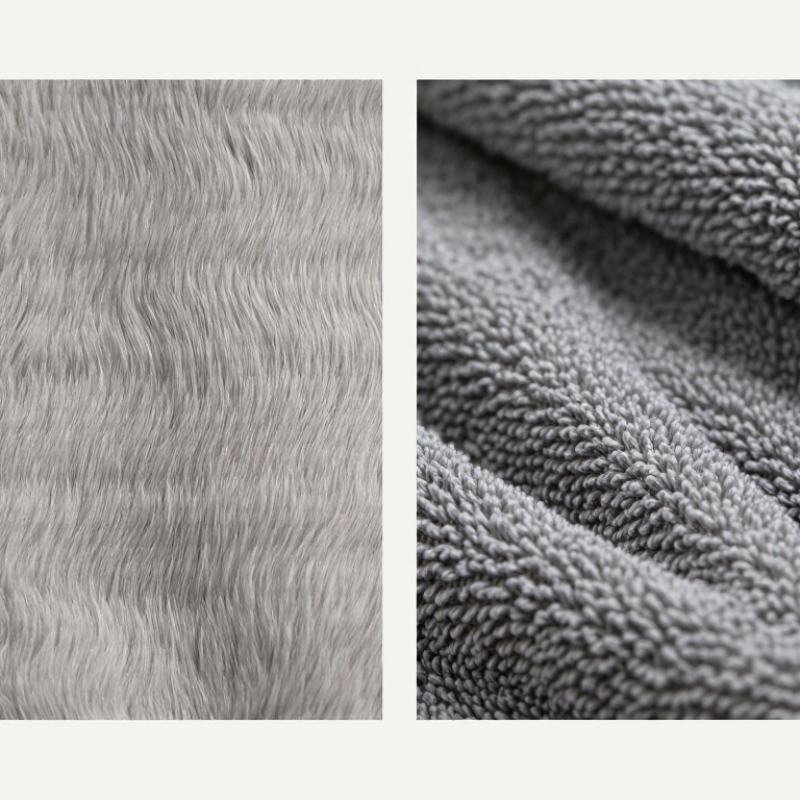
Fleece is a knitted textile made mainly from polyester fibers. Polyester usually begins as a polymer, often derived from petroleum or recycled plastic. Manufacturers melt it, push it through tiny openings, and cool the strands into continuous filaments. These filaments are then cut, twisted, and spun into yarn. The yarn is knitted into fabric, dyed, and finished.
The surface treatment creates the main difference between brushed and unbrushed fleece. Unbrushed fleece keeps a relatively smooth, looped structure. It feels lighter and often allows easier airflow. Brushed fleece passes over rotating cylinders covered with fine points. These points lift fibers from the fabric surface, creating a soft, raised nap. More trapped air can improve warmth, but the fabric may pill faster when exposed to friction.
The difference is visible by touch. Brushed fleece feels similar to a short, dense blanket, especially on the inner side of a sweatshirt. Unbrushed fleece feels cleaner and flatter against the skin. A fabric technician may inspect the nap, weight, stretch, and recovery rather than judging softness alone. Softness can hide weak construction.
Fleece dries quickly because polyester absorbs little water. However, it is not automatically windproof, and heavy brushing does not guarantee better durability. Washing it gently and reducing high heat can help protect the raised fibers. The right choice depends on use, not just comfort: brushed fleece suits cool indoor or outdoor layering, while unbrushed fleece may work better where breathability and a smoother surface matter.
What Is the Difference Between Brushed and Unbrushed Fleece?
Brushed fleece is processed after knitting. The fabric passes over rotating wire rollers that pull small fibers from its surface. This creates a raised nap, similar to fine peach fuzz. More brushing usually produces a fuller surface, but excessive treatment can weaken fibers and increase pilling.
Unbrushed fleece keeps a flatter, looped structure. It feels smoother and often shows clearer stitch definition. Brushed fleece feels warmer against the skin because its raised fibers trap more still air. A practical touch test reveals the difference quickly: brushed fleece feels soft and slightly cloudy, while unbrushed fleece feels cleaner and more compact. The boundary is not always neat.
Fiber type, yarn size, fabric weight, and finishing chemicals also affect comfort. Polyester fleece often dries quickly, while blended fleece can feel less plastic-like. Textile Exchange’s Materials Market Report 2024 recorded about 124 million tonnes of global fiber production in 2023, with polyester representing roughly 57 percent. That scale explains why polyester fleece remains common in performance textiles. However, fiber content alone does not predict softness.
In testing, I would check the inside and outside separately. A fabric may feel luxurious on one side but rough after washing. AATCC dimensional-change methods are useful for measuring shrinkage, yet they do not fully capture human comfort. Hand-feel remains subjective. That is the part technical specifications sometimes miss.
Brushed fleece is mechanically raised on one or both sides after knitting, creating a soft, fuzzy surface that can trap more still air. Unbrushed fleece keeps its original looped or smooth knit structure, so it generally feels cooler, less fluffy, and often dries more readily. The values below are comparative typical tendencies on a 0–5 scale, not laboratory measurements.
Brushed and unbrushed fleece differ mainly in their inner surface. Brushing lifts and separates fibers, creating a soft, fuzzy layer that feels warm against the skin. Unbrushed fleece keeps its original knitted loops, often called a loopback or French terry structure. Its surface feels smoother, firmer, and more textured.
That texture changes performance. The open loops allow more airflow, so unbrushed fleece usually feels cooler during light activity. It also releases moisture more readily than a dense, brushed interior, although fiber content and fabric weight still matter. Brushed fleece traps more air, which improves warmth but may feel stuffy during movement. Unbrushed fabric often handles repeated wear well because its loops are less raised. Still, rough washing can cause snagging or gradual surface fuzz.
I have found unbrushed fleece especially useful for mild weather and layered clothing. A looped interior gives sweat some space to spread, while the smooth outer face remains neat under a jacket. It is not always the better choice. Thin unbrushed fleece can feel surprisingly cold in wind, and heavy versions may lack softness. Fabric density, stretch, and finishing deserve attention. Check the inside under bright light. Tight, even loops usually indicate more consistent construction, but this simple check cannot predict every result.
Brushed and unbrushed fleece can share the same base fabric, yet they behave differently against skin and weather. Brushing lifts and teases the inner fibers, creating a soft nap that holds small pockets of warm air. That loft usually makes brushed fleece warmer, especially during still, cold walks. It also feels gentler over a thin shirt. Unbrushed fleece keeps its flatter, looped interior. Less loft means less insulation, but more direct airflow. That difference matters during active use.
During a brisk hike, unbrushed fleece often releases heat more easily when your back begins to sweat. Brushed fleece can feel comfortable at rest, but may become stuffier under a backpack. Fabric weight, fiber content, and knit density still change the result. So, touch alone can mislead. A dense unbrushed fabric may feel warmer than a thin brushed one. Durability is less simple. Brushing can increase surface fuzz and, with rough washing, encourage pilling. Unbrushed loops usually resist that fuzzy look, though exposed loops can catch on sharp hardware. Neither construction is automatically tougher.
Check the inside after repeated washing, not only on the first day. Look for flattened nap, loose loops, and thinning at the elbows. Cold water and gentle drying usually protect both surfaces. A practical choice depends on movement. Choose brushed fleece for stationary warmth and a plush hand feel. Choose unbrushed fleece when ventilation, layering, and a cleaner interior matter more. Even then, I would hesitate to treat these as strict categories. Manufacturing details can overturn the usual expectations.
What Is the Difference Between Brushed and Unbrushed Fleece?
Brushed fleece has raised fibers on one or both sides. Those fibers create a soft surface and trap more still air. It suits hoodies, mid-layers, blankets, and relaxed winter clothing. However, its fuzzy face can hold moisture and may pill after repeated washing. Unbrushed fleece keeps a smoother, tighter surface. It usually dries faster and slides easily under a jacket. Choose it for base layers, training tops, uniforms, and warm-weather travel. This choice is not absolute.
Your activity matters more than softness. For slow outdoor walks in dry, cold weather, brushed fleece offers welcome insulation. For cycling, hiking, or indoor work, unbrushed fleece can reduce overheating and friction. Check the fabric weight, stretch, seam placement, and care label together. A thick brushed fabric may feel warm in a fitting room, then become uncomfortable during movement. That shortcut is imperfect.
Material sourcing also deserves attention. Textile Exchange’s Materials Market Report 2024 estimates global fiber production reached 124 million tonnes in 2023. Longer wear can therefore matter as much as recycled content. The European Environment Agency reported EU textile consumption at about 19 kilograms per person in 2022. Select fleece that matches real use, not only touch. Wash it gently, avoid excessive heat, and inspect the surface after several cycles. A softer fabric is not always the better fabric.
Brushed fleece is knitted fabric treated with rotating wire rollers. The rollers lift surface fibers into a soft, raised nap.
It feels soft, warm, and slightly cloudy against the skin. The surface resembles fine peach fuzz. Very tactile.
Unbrushed fleece keeps a flatter, looped structure. It feels smoother, cleaner, and more compact.
Brushed fleece usually feels warmer because raised fibers trap still air. A dense unbrushed fabric can still outperform a thin brushed one.
Unbrushed fleece generally releases heat more easily. It suits hiking, cycling, training, and indoor work.
Yes. Its fuzzy surface may hold moisture and feel stuffy under a backpack. Softness is not everything.
Not always. Excessive brushing and rough washing can weaken fibers and encourage pilling. Inspect the elbows after several washes.
Use cold water and gentle drying. Avoid excessive heat. Check for flattened nap, loose loops, or thinning areas.
Brushed fleece works well for warm hoodies, blankets, and relaxed winter clothing. Unbrushed fleece slides more easily under jackets.
Match the fabric to your movement, weather, weight, stretch, and seams. Touch tests help, but they can mislead. I would check both sides after washing.
Fleece is a soft synthetic fabric commonly made by knitting fine fibers into a lightweight material and then treating its surface for a particular texture. The key question, what is the difference between brushed and unbrushed fleece, comes down mainly to how the fabric is finished. Brushed fleece is mechanically raised on one or both sides, creating a fuzzy surface that feels warmer, softer, and more insulating. This texture can trap more air, making it comfortable for cool-weather clothing and cozy layers.
Unbrushed fleece keeps a smoother, more compact surface. It usually feels cooler against the skin, allows better airflow, and may resist pilling or surface wear more effectively. Brushed fleece is often preferred for sweaters, blankets, and winter garments, while unbrushed fleece can work well for lightweight hoodies, activewear, and transitional-season clothing. The best choice depends on the intended use, desired warmth, breathability, softness, and durability. Washing and wearing habits should also be considered, since heavier brushing may require gentler care to preserve the fabric’s texture.

Harbor Textiles