Faux fur has gained immense popularity, but many are confused about its different types. Particularly, what is the difference between short and long pile faux fur? Understanding this difference is essential for various applications, from fashion to home decor. Each type offers unique textures and aesthetics that cater to different needs and preferences.
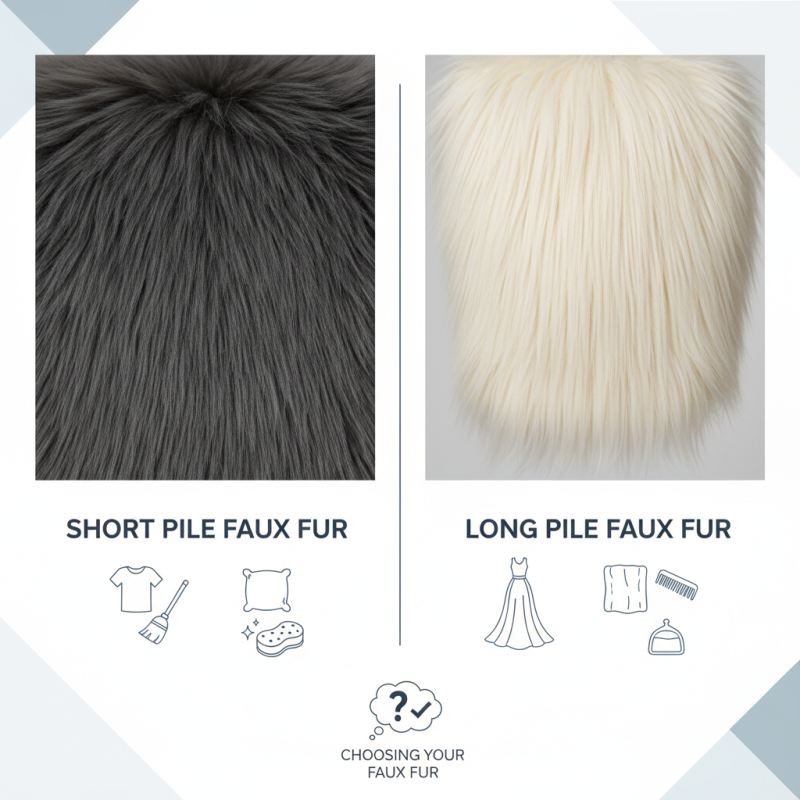
Short pile faux fur features a dense, plush look with fibers that stand upright. It is often used for garments and accessories. This type tends to be more durable and easier to clean. On the other hand, long pile faux fur presents a luxurious and flowing appearance. It is ideal for creating cozy throws or high-fashion pieces. The flowy nature adds a dramatic flair, but it requires more maintenance.
Choosing between these two types involves more than just style. Factors like usage, maintenance, and desired look must be considered. Reflecting on these aspects will lead to a more informed decision. Faux fur choices might seem simple, but they can impact your overall satisfaction with a product. Understanding the texture can transform your experience entirely.
Understanding Faux Fur: An Overview of Pile Lengths
Faux fur has gained popularity in fashion and home décor. Its appeal lies in its luxurious feel and ethical sourcing. Understanding pile lengths is crucial for selecting the right faux fur for your needs.
Short pile faux fur typically ranges from 0.5 to 1 inch in length. It offers a sleek appearance and is easier to maintain. This type is often chosen for garments that require a more tailored look, like jackets and vests. According to recent industry reports, short pile designs are becoming increasingly sought after. The versatility makes them suitable for various fashion applications.
Long pile faux fur, exceeding 1 inch, gives a more opulent and dramatic look. It has a fluffy texture, ideal for cozy blankets or statement outerwear. However, these designs can be more challenging to clean and maintain due to their length. Research indicates that while long pile options are visually striking, they may not always hold up in durability tests compared to shorter varieties. This inconsistency is important to consider when purchasing faux fur products. Understanding the differences can help consumers make informed choices in this burgeoning market.
Characteristics of Short Pile Faux Fur and Its Uses
Short pile faux fur stands out in various applications due to its unique characteristics. This type of faux fur generally has fibers that measure less than one inch in height. Its dense texture creates a sleek and polished appearance, making it an ideal choice for fashion accessories and small upholstery projects. According to the 2022 Global Textile Report, short pile fabrics gained significant popularity, accounting for approximately 30% of the faux fur market.
The durability of short pile faux fur is another important feature. It withstands wear and tear better than long pile options, making it suitable for items that require frequent use. For instance, short pile faux fur is often used in pet bedding and throw blankets. The ease of cleaning is also appealing, as it typically requires less maintenance. Surveys within the textile industry highlight that 70% of consumers prefer fabrics that are simple to maintain.
However, there are some imperfections to consider. While short pile looks elegant, it may lack the warmth and plush feel of long pile alternatives. This can be a significant drawback for certain applications, like winter outerwear. Additionally, the limited insulation properties can affect comfort levels in colder climates. Consumers should evaluate these factors before making a decision. Understanding these nuances is essential for making informed choices in fabric selection.
Benefits of Long Pile Faux Fur in Fashion and Design
Long pile faux fur has gained significant popularity in fashion and design. Its luxurious texture and abundant softness appeal to many consumers. According to a recent report by the Global Textile Alliance, the long pile market is projected to grow by 15% annually. This growth is fueled by the increasing demand for sustainable and cruelty-free materials in the fashion industry.
One major benefit of long pile faux fur is its versatility. Designers often use it in various applications, from coats to accessories. It can mimic the warmth of real fur without ethical concerns. A survey by the Fashion Sustainability Council found that around 68% of consumers prefer sustainable options when choosing clothing. This statistic highlights the importance of long pile faux fur in modern design.
However, the challenges of maintaining the quality of long pile faux fur cannot be overlooked. It requires special care to avoid matting and maintain its appearance. Users often report difficulties in cleaning and preserving the texture. The balance between aesthetic appeal and practicality remains a topic for discussion in design circles.
Comparative Analysis: Short Pile vs. Long Pile Faux Fur
When choosing between short pile and long pile faux fur, several factors come into play. Short pile faux fur typically measures under one inch in height. This type of fur is tightly woven, creating a dense fabric. It is often used in garments and accessories where structure is important. Reports indicate that short pile fur provides excellent durability. It can withstand frequent wear while maintaining its shape. However, its less plush feel may not be ideal for everyone.
On the other hand, long pile faux fur exceeds one inch in height. This design offers a luxurious, soft texture. It drapes beautifully, making it popular for blankets and high-end fashion. However, its longer fibers may require more maintenance. Dust and allergens can accumulate more easily in the fibers. According to industry analyses, around 30% of consumers prefer long pile fur for comfort, while others prioritize the structure of short pile options.
In terms of sustainability, faux fur has evolved significantly. Many manufacturers now utilize recycled materials, reducing environmental impact. Yet, the production process still produces waste. It’s essential to consider how these fabrics align with personal values. Each style of faux fur presents unique advantages and challenges. Making an informed choice involves evaluating these elements. Familiarity with each type can guide decisions, helping individuals choose the best option for their needs.
Choosing the Right Faux Fur: Factors to Consider
When choosing faux fur, consider the pile length.
Short pile faux fur
has a sleek, polished look. It’s often easier to clean and maintain. This makes it ideal for everyday garments.
On the other hand, long pile faux fur creates a luxurious and dramatic effect.
However, it can attract dirt and require more care.
Texture matters too. Short pile fur feels tighter and more structured.
It is less likely to mat. Long pile, with its flowing fibers, offers a cozy feel but may tangle.
Think about how you will use the faux fur item. Will it be for a jacket, a throw, or upholstery?
Each use demands different care levels and aesthetics.
Weight is another factor. Lightweight options are good for spring styles.
Heavier fur works well in winter. Keep your lifestyle in mind when selecting faux fur.
This choice should reflect your needs and also challenge standards of beauty and comfort.
With these insights, you'll make a more informed decision.
Conclusion
This article provides an in-depth exploration of faux fur, specifically focusing on the differences between short and long pile options. It begins with an overview of faux fur and its various pile lengths, detailing the unique characteristics of short pile faux fur, which is often known for its compactness and durability, making it ideal for various applications such as lining and less exposed wear. In contrast, long pile faux fur offers a luxurious, fluffy aesthetic, frequently used in fashion and design for its dramatic visual appeal.
Additionally, the article offers a comparative analysis of short pile versus long pile faux fur, highlighting aspects such as texture, warmth, and maintenance. Ultimately, the piece answers the important question of what is the difference between short and long pile faux fur, guiding readers through essential factors to consider when choosing the right faux fur for their projects or wardrobes.

 Harbor Textiles