How to Choose Fabrics for Warm Winter Coats?

Time:2026-06-13 Author:Henry
0%

Choosing the right fabric for winter coats is essential for comfort and warmth. Many people ask how to choose fabrics for winter coats. The process can be overwhelming due to the variety of materials available. Each fabric comes with unique properties and suitability for different climates.

For instance, wool is often favored for its insulating abilities. It's warm and durable, making it a classic choice. However, some may find it itchy or too heavy. Down is another popular option. It offers excellent warmth and is lightweight. But down coats can be costly and not always suitable for wet conditions.

It's crucial to consider factors such as breathability and water resistance. Some synthetic fabrics offer great performance but may lack the natural feel. Understanding your needs is vital. Reflect on your local climate and personal comfort. Remember, the perfect winter coat is not just about style; it’s about finding the fabric that meets your specific requirements. Always think critically about your fabric choices for the best winter experience.
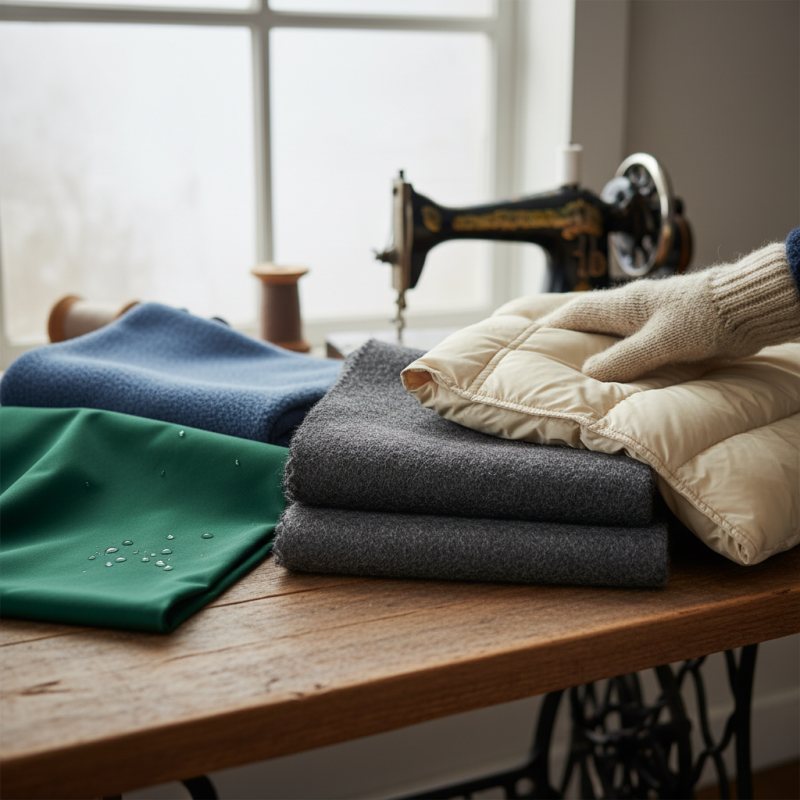
How to Choose Fabrics for Warm Winter Coats?

Types of Fabrics Suitable for Winter Coats

Choosing the right fabric for winter coats is crucial for warmth and comfort. Many fabrics are suitable, but not all will keep you cozy. Wool is a classic choice, providing warmth and breathability. It’s resilient and can last for years with proper care. However, some find wool itchy. You might consider a wool blend for a softer feel.

Another excellent option is down or synthetic insulation. Down is lightweight and exceptionally warm. Yet, it can be less effective when wet. On the other hand, synthetic options offer warmth even in wet conditions. They tend to be more affordable and easier to care for.

Fleece is also popular for lining winter coats. It is soft and effective at trapping heat. However, fleece may not be as durable as wool. Each fabric has its strengths and weaknesses. It's essential to consider your climate and personal comfort when choosing. Look for fabrics that balance warmth and practicality. Ultimately, the fabric you select will influence your winter experience.

Essential Insulating Properties to Look for in Fabrics

Choosing the right fabrics for winter coats is crucial for staying warm. Insulating properties in fabrics can greatly impact your comfort. Look for materials that trap heat effectively. Wool and down are popular choices due to their natural insulating abilities. These fabrics create an air barrier, keeping cold out and warmth in.

Tips: Consider fabric weight. Heavier materials often provide better insulation. However, they may also restrict movement. Finding a balance is key. Layering lighter fabrics under heavier ones can also improve warmth without sacrificing style.

Another element to think about is moisture-wicking properties. Fabrics that can draw sweat away from the body will keep you dry and warm. Even the best insulation fails when it becomes damp. Natural fibers like merino wool excel in this regard.

Tips: Try blending different fabrics. A mix of wool and synthetic materials can enhance insulation while reducing overall weight. However, be cautious of choosing fabrics that may be too harsh on the skin. Comfort should never be compromised. And remember, not every fabric performs well in every condition. Testing and reflecting on your choices can lead to better decisions in the future.

Durability and Maintenance Considerations for Winter Fabrics

Choosing the right fabric for winter coats is crucial for durability. Many fabrics can endure harsh conditions, but not all maintain their appearance over time. Wool is a classic choice, offering warmth and resilience. However, it requires careful maintenance to prevent moth damage and shrinkage. Regular brushing can keep it looking fresh and intact.

Synthetic fabrics like polyester often offer a balance between durability and low maintenance. They resist wrinkles and moisture well, making them practical for winter wear. Yet, they may not be as breathable as natural fibers. It's essential to consider whether the coat will be worn daily or occasionally. High wear leads to quicker deterioration.

Reflecting on personal experiences, many people find it challenging to maintain their coats. Stains, pilling, and fading can occur if ignored. Learning how to treat various fabrics helps extend the coat's life. Understanding the care requirements before purchasing can save future frustration. Winter coats should be both functional and enduring, which requires informed fabric choices.

Choosing Fabrics Based on Weather Conditions and Activities

When choosing fabrics for warm winter coats, consider both the weather and your planned activities. Cold, damp conditions require different fabrics than dry, frigid ones. For wet weather, opt for materials that repel moisture, like treated wool or synthetic blends. These fabrics help keep you dry and warm.

For outdoor activities, durability is key. Choose heavy-duty materials that can withstand wear and tear. Consider fabrics like canvas or reinforced nylon if you're hiking or engaging in winter sports. They provide insulation while being strong enough for rugged use.

Tips: Always test fabric weight. Heavier materials offer more warmth, but they can feel bulky. Also, look for a soft inner lining, which adds comfort against the skin. If you’re unsure, consult fabric samples. Trust your instincts when selecting material. Each choice shapes your winter experience, so take your time to reflect.

Evaluating Fabric Weight and Thickness for Optimal Warmth

Choosing the right fabric for a warm winter coat is essential. The weight and thickness of the fabric play a major role in its insulation properties. Heavier fabrics generally provide better warmth. They trap more air, which acts as an insulator. On the other hand, thinner fabrics might be lightweight but often fall short in warmth.

Look for fabrics like wool, which has natural insulating properties. It retains heat even when damp. Cotton, while comfortable, is not ideal for extreme cold. Consider layering fabrics for added warmth, but be cautious of bulkiness. It’s essential to balance warmth with comfort.

**Tips:**
Always check the fabric weight before purchasing. A heavier coat might feel cumbersome but could save you from the chill. Test the thickness, too. If it feels thin or flimsy, it might not perform well.

Reflect on your lifestyle when selecting a winter coat. A fabric that works well for casual outings may not be suitable for an active day outdoors. Think of where and how often you will wear it. This will help you make a thoughtful choice.

FAQS

: What is an important factor when choosing winter coat fabric?

: The right fabric is crucial for warmth and comfort.

What is the advantage of wool for winter coats?

Wool provides warmth, breathability, and durability with proper care.

What should I do if I find wool itchy?

Consider a wool blend for a softer feel.

How does down insulation compare to synthetic options?

Down is lightweight and warm but less effective when wet; synthetic keeps warmth even in moisture.

What is fleece's role in winter coats?

Fleece is soft and effective at trapping heat but may lack durability.

Why is fabric weight important?

Heavier fabrics generally provide better insulation and warmth.

Can thinner fabrics still be warm?

Thinner fabrics might be lighter but often fall short on warmth.

How can layering help with warmth?

Layering can add warmth, but avoid bulkiness for comfort.

What should I check before buying a coat?

Always check fabric weight and thickness for performance.

How does lifestyle affect coat fabric choice?

Consider where and how often you'll wear the coat for a thoughtful choice.

Conclusion

When considering how to choose fabrics for winter coats, it’s essential to evaluate various factors to ensure warmth and comfort during the colder months. Start by exploring different types of fabrics suitable for winter coats, such as wool, down, and synthetic blends, each offering unique insulating properties. It's crucial to prioritize fabrics with excellent insulation while also considering durability and maintenance, as winter conditions can subject coats to wear and tear.

Additionally, the choice of fabric should align with specific weather conditions and intended activities, whether it's for extreme cold or milder climates. Evaluating fabric weight and thickness is vital to achieving optimal warmth; heavier and thicker materials generally provide better insulation. By carefully assessing these aspects, you can make informed decisions to select the best fabrics for your winter coat needs.

Henry

Henry

Henry is a dedicated marketing professional with a profound expertise in the company's offerings. With years of experience in the industry, he possesses an impressive understanding of the market dynamics and consumer behaviors that drive success. Henry is committed to sharing his insights through......