Choosing fabric for decorative cushions involves more than matching a color chart. The right material affects comfort, durability, cleaning, and the room’s overall character. A velvet cushion can add rich depth to a reading chair, while tightly woven linen may suit a bright coastal living room. Yet attractive fabric is not always practical fabric.
So, what fabrics are best for decorative cushions? The answer depends on how each cushion will be used. Cushions placed on a busy family sofa need strong fibers, stable stitching, and resistance to frequent handling. A formal lounge may allow delicate jacquard, silk blends, or textured boucle. Outdoor cushions require solution-dyed acrylic or other weather-resistant materials, especially in strong sunlight. Small details matter. A loose weave may catch on jewelry, pet claws, or rough wood edges.
Think beyond appearance.
In this guide, we will compare popular cushion fabrics through practical factors, including softness, abrasion resistance, color stability, maintenance, and cost. These points reflect common advice from upholstery professionals and real household use, but no fabric performs perfectly in every setting. Even cotton, often praised for its comfort and versatility, can wrinkle or fade without suitable treatment. That limitation deserves attention. We will also consider fabric weight, lining, zipper quality, and filling support, because the cover alone does not determine a cushion’s lifespan. By weighing visual appeal against daily demands, you can make a more confident, informed choice. Perhaps the best fabric is not the trendiest one, but the one that still looks inviting after months of ordinary living.
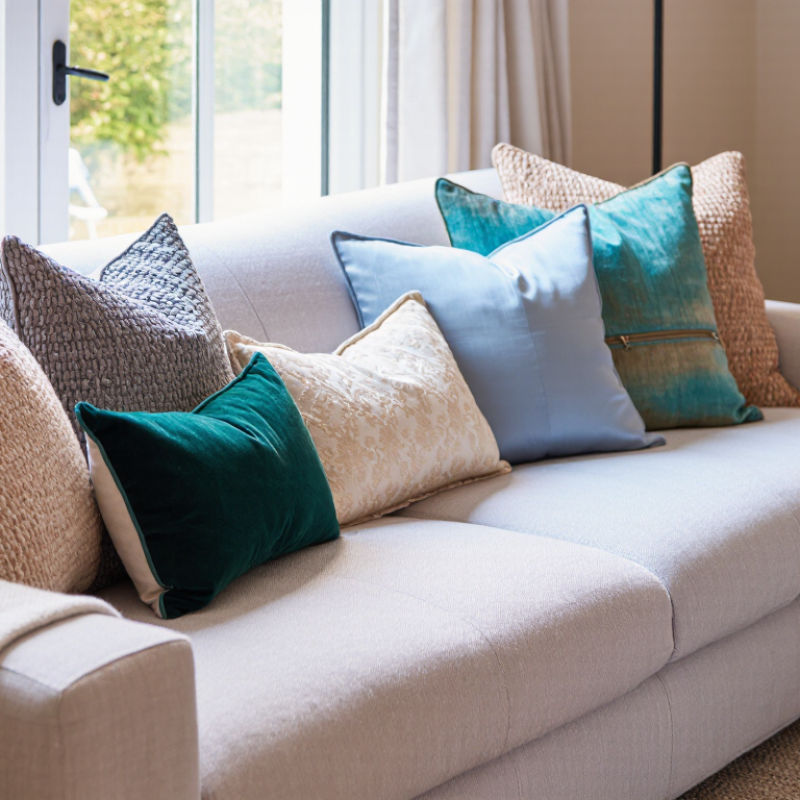
Define the Purpose and Placement of Your Decorative Cushions
How to Choose the Best Fabric for Decorative Cushions?
Define the Purpose and Placement of Your Decorative Cushions
Start with the cushion’s daily job. A decorative cushion on a formal sofa needs softness and visual texture. A cushion on a reading chair needs stronger seams and better shape recovery. Outdoor cushions face ultraviolet light, moisture, and sudden temperature changes. Placement matters more than appearance.
The 2024 Textile Exchange Materials Market Report estimates global fiber production reached 124 million tonnes in 2023. Polyester represented about 57% of total output, while cotton accounted for roughly 22%. These figures show why fiber selection deserves attention. Polyester can offer strong color retention and easier cleaning. Cotton feels cooler and more natural, but it may crease or fade faster near a bright window. Linen adds character, though its relaxed surface can look untidy. That may be acceptable. Perfect is not always practical.
Tips: Check the fabric’s abrasion rating, cleaning instructions, and light exposure. For frequently used cushions, choose a tightly woven cover with a concealed zipper. In homes with children or pets, washable synthetic blends often reduce maintenance. For a quiet bedroom, a softer natural fabric may feel more appropriate. Test a sample beside the sofa for one full day. Morning light can be misleading. Also inspect the reverse side; weak stitching there often predicts early failure. Textile performance reports provide useful benchmarks, but real rooms remain unpredictable.
Compare Fabric Types by Comfort, Durability, and Appearance
How to Choose the Best Fabric for Decorative Cushions?
Compare Fabric Types by Comfort, Durability, and Appearance
Choosing cushion fabric becomes easier when comfort, durability, and appearance are judged together. Cotton feels cool and soft, making it pleasant against bare arms. Linen adds a relaxed texture and improves airflow in warm rooms. However, both fabrics can crease quickly and may show spills.
For busy seating, tightly woven polyester often provides stronger resistance to abrasion, stains, and fading. It is practical for family rooms, reading corners, and cushions used every day. Velvet offers a richer appearance and a smooth, warm touch. Its surface can reveal pressure marks, though, especially after long use. Wool blends feel substantial and recover well from compression, but some people may find them slightly itchy.
I usually test a fabric before buying several cushion covers. I rub a sample against a rough surface and press it under a book overnight. Then, I check whether the fibers flatten, the color changes, or the texture feels less inviting. This simple test is not perfect. Lighting can also distort color. A pale fabric may look elegant in a showroom but expose dust near a window. Dark fabrics hide marks better, yet they can show lint and pet hair. Choose a tighter weave for durability, a softer surface for comfort, and a color that still looks convincing in your actual room.
Match Fabric Properties to Your Room’s Style and Use
Choosing cushion fabric starts with the room’s demands, not a color chart. A quiet bedroom may welcome brushed cotton, linen, or a soft wool blend. Their matte surfaces make warm daylight feel calmer. In a busy family room, tightly woven polyester or performance acrylic handles repeated contact more reliably. Check the weave closely. Loose threads can catch on rings, zippers, or pet claws.
Match texture to the visual language around it. Smooth velvet can sharpen a formal sofa, while slubby linen suits relaxed wood and natural finishes. For dining areas, select fabric that tolerates crumbs and gentle spot cleaning. In sunlit rooms, solution-dyed fibers generally resist fading better than many untreated textiles. Still, no material is invincible. I once chose a pale, nubby cover for a high-use reading chair; it looked beautiful but showed marks within days.
Test samples where the cushions will live. Rub the swatch, crease it, and view it beside the curtains at morning and evening. Ask whether the cover can be removed and washed according to its care label. A decorative cushion should feel inviting, not precious. I sometimes overvalue appearance. That is a useful warning. Choose a durable base fabric, then add one richer texture for depth. Keep patterns proportional to the room, because a small cushion can make a large motif look surprisingly awkward.
Evaluate Cleaning Needs, Colorfastness, and Maintenance
How to Choose the Best Fabric for Decorative Cushions?
Cleaning needs should guide your fabric choice from the beginning. In a busy living room, crumbs, pet hair, and drink spills are common. Removable covers make regular washing easier, but washable does not mean indestructible. Check the care label carefully before purchasing. Some fabrics require cold water, gentle cycles, or professional cleaning. For fresh spills, blot with a clean cloth instead of rubbing. Rubbing can push the stain deeper and damage the fibers. Test any cleaning solution on a hidden seam first.
Colorfastness deserves equal attention. A fabric may look rich under store lighting but fade near a sunny window. Ask for a sample and place it in the cushion’s intended location for several days. Compare its color with the original sample. You can also press a slightly damp white cloth against a concealed area. If color transfers, choose another material. Light exposure, frequent washing, and friction can all change the appearance over time. Small tests prevent expensive disappointment.
Maintenance habits affect the final result. Vacuum cushions gently, rotate them weekly, and fluff them after use. Keep rough objects away from delicate surfaces. I once underestimated how quickly dark denim could mark a pale cushion, so I now check fabric samples against everyday clothing. That habit is not perfect, but it reveals practical problems early. No decorative fabric stays flawless forever. A realistic choice balances beauty, cleaning effort, sunlight, and the way people actually use the room.
Select the Best Fabric Within Your Budget and Design Plan
When choosing fabric for decorative cushions, start with the room’s design plan and your actual budget. A beautiful textile is not useful if it clashes with the sofa or fails during cleaning. I usually compare three sample swatches beside the largest furniture piece, in daylight and evening light. This reveals undertones that online photographs often hide. Keep the cushion shape and trim in mind, because bold patterns may require extra fabric for matching.
Your budget should cover more than the fabric’s price. Include inserts, zippers, piping, delivery, and possible cutting waste. Cotton and linen blends can offer a balanced appearance, while velvet adds depth but may show pressure marks. For busy rooms, check the abrasion rating, fiber content, colorfastness, and cleaning instructions. Ask for a physical sample. It matters. A low-cost fabric may become expensive when it pills, fades, or needs replacement quickly.
I once selected pale fabric because it matched a painted wall perfectly. It looked elegant in the store, but daylight exposed every mark. That mistake changed my process. Now I test a swatch for several days, brush it, sit against it, and clean a small hidden area. The result is not always perfect. Still, it provides a more honest basis for choosing fabric that supports the design without quietly damaging the budget.
How to Choose the Best Fabric for Decorative Cushions?
Select the best fabric within your budget and design plan by comparing typical durability and material cost.
Polyester and chenille generally offer stronger abrasion resistance for frequently used cushions, while cotton and linen provide a more natural appearance at moderate durability levels. Velvet delivers a luxurious look but is typically more expensive. Prices are indicative mid-range estimates per yard and vary by fabric weight, construction, and finish.
FAQS
Choose fabric according to the cushion’s daily use and location. A reading chair needs firm seams and shape recovery. Outdoor cushions need resistance to sunlight and moisture. Placement matters.
Brushed cotton, linen, or soft wool blends can create a calmer atmosphere. Their matte surfaces soften warm daylight. They may need gentler care.
Tightly woven synthetic blends usually handle repeated contact better. They also simplify cleaning. Check the weave for loose threads. Pet claws can catch them.
Smooth velvet can strengthen a formal sofa. Slubby linen suits relaxed wood and natural finishes. Keep patterns proportional to the cushion and room. Small cushions can make large motifs look awkward.
Check abrasion rating, fiber content, colorfastness, and cleaning instructions. Inspect both sides of the fabric. Weak reverse stitching may signal early failure. Ask for a physical sample.
Place it beside the sofa for a full day. View it in morning and evening light. Rub it, crease it, and sit against it. Clean a hidden area carefully.
Include fabric, inserts, zippers, piping, delivery, and cutting waste. A cheap fabric may cost more after early replacement. It may pill or fade.
Not always. Cotton feels cool and natural, but it can crease or fade. Linen adds character, though it may look untidy. Perfect is not always practical.
Consider maintenance before appearance. I once chose pale fabric for a busy chair. It looked elegant in the store but showed marks within days. I still get this wrong sometimes. Test longer.
Conclusion
Choosing the right fabric for decorative cushions begins with understanding their purpose and placement. Cushions used on a frequently occupied sofa need a stronger, more comfortable material than those placed mainly as accents on a bed, chair, or display bench. When comparing options, consider softness, texture, breathability, durability, and visual appeal. Natural fibers may provide warmth and an inviting feel, while blended or synthetic fabrics can offer improved resilience and easier care. The best choice depends on how the cushions will be used, who will use them, and the atmosphere you want to create.
It is also important to match the fabric’s color, pattern, and texture to the room’s style. Consider fading, stains, pet hair, washing requirements, and long-term maintenance before making a decision. Asking what fabrics are best for decorative cushions can help organize these priorities, but the final answer should reflect your specific lifestyle, cleaning routine, and budget. By balancing performance, appearance, and cost, you can select cushions that remain attractive, practical, and comfortable while supporting your overall design plan.

 Harbor Textiles