Felt fabric has become a favorite choice for DIY enthusiasts. Its versatility allows for creative expressions in numerous crafts. According to a recent survey by the Craft and Hobby Association, 70% of crafters reported using felt in their projects. This fabric is affordable and easy to work with, making it accessible for all skill levels.
Understanding how to use felt fabric for DIY crafts opens a world of possibilities. You can create everything from playful toys to beautiful home decor items. Felt's soft texture and vibrant colors add charm to any project. In 2020, the global craft supplies market was valued at over $45 billion. This figure highlights the growing popularity of DIY crafts, where felt plays a significant role.
Many crafters, however, struggle with maximizing felt's potential. It can fray easily if not handled correctly. Learning techniques, like sealing edges, improves durability. Also, exploring new patterns keeps the crafting experience fresh. Embracing imperfections in projects is essential. This encourages creativity and allows room for unique designs. Experimenting with felt can lead to surprising results, often beyond initial expectations.
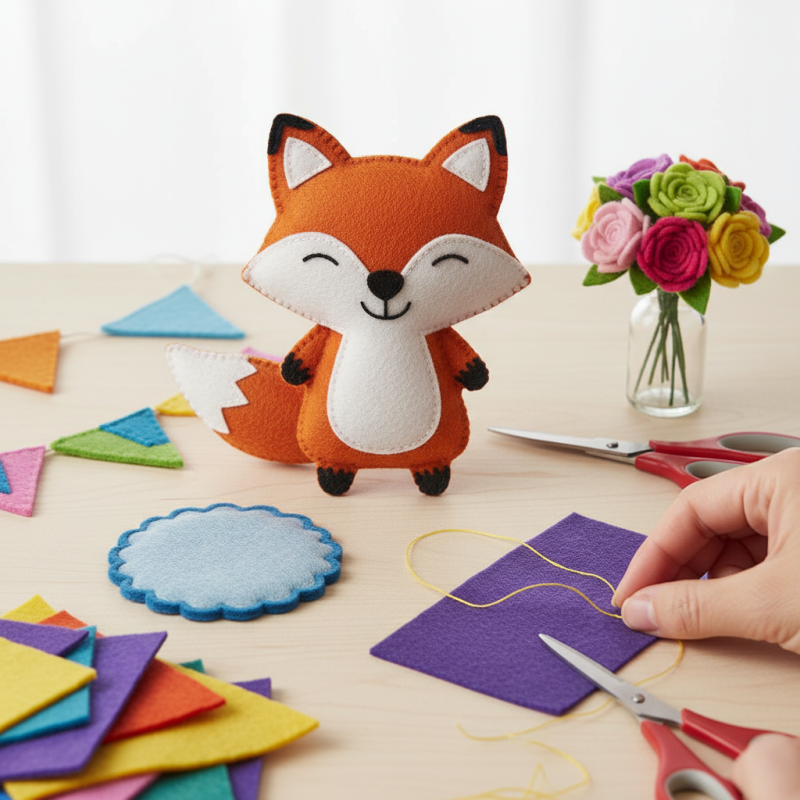
Felt fabric is a remarkable material that offers endless possibilities for DIY enthusiasts. Its soft texture and vibrant colors make it perfect for various creative projects. You can use felt to craft personalized gifts, home decor, or even educational tools for children. One idea is to make felt finger puppets. They can bring stories to life and provide hours of entertainment.
This versatile fabric is also ideal for upcycling. Take old clothes or fabric scraps and transform them into unique felt coasters or decorative wall art. The challenge lies in piecing together various textures and colors to create a cohesive design. Embrace imperfections; they bring character to your projects. Exploring felt's adaptability encourages experimentation and innovation in every creation.
Additionally, felt can be layered, sewn, or glued, providing different techniques to suit your project's needs. Consider making a felt wreath for seasonal decoration or using it for homemade greeting cards. Reflect on your process and allow room for mistakes. Each misstep can lead to unexpected ideas, showcasing the true essence of creativity.
When diving into the world of felt crafting, having the right tools and materials is essential. A quality pair of sharp scissors is a must. They ensure clean edges, which can make a significant difference in your finished project. A cutting mat is also helpful. It protects your surfaces and provides a steady base for cutting felt. Don’t overlook a reliable glue, especially fabric glue. It should dry clear and be strong enough to hold various materials together.
Beyond basic tools, consider adding embellishments to your kit. Beads, buttons, and embroidery floss can easily elevate your felt projects. Having a variety of needle sizes can help too. Larger needles work well for thicker felt, while smaller ones are perfect for detailed stitching. It’s important to experiment with these items. Sometimes, a creative idea may not go as planned. Reflect on what went wrong, and adjust accordingly.
Lastly, keep your workspace organized. It can save time and reduce frustration. A cluttered area might lead to misplaced tools, hindering your creative flow. Remember, crafting is a journey with ups and downs. Embrace the process, learn from mistakes, and enjoy the satisfaction of transforming simple felt into something extraordinary.
Felt fabric is an excellent material for DIY crafts. It's versatile, colorful, and easy to work with. Beginners can dive right into simple projects without feeling overwhelmed. One great idea is to create felt coasters. Start by cutting out circles; this helps practice your cutting skills. Experiment with different colors and shapes for a more personalized look.
Another fun project is making felt flowers. Cut several petal shapes and layer them. A bit of hand-stitching can hold them together. This project is forgiving, which means mistakes can enhance the creative process. If a petal is uneven or a color seems off, don’t worry. Embrace these quirks, as they make each flower unique.
Creating felt bookmarks is also an enjoyable activity. Cut out a rectangle of felt, then decorate it with shapes or words. Consider using glue or stitching for embellishments. This project allows for plenty of room to express your style. Remember, the journey in crafting is just as important as the end product. Embrace the learning curve and keep experimenting with your felt creations!
Felt fabric is a versatile medium for creating stunning DIY crafts. It offers various colors and textures that can elevate your projects. Let’s explore advanced techniques to incorporate these elements, making your crafts truly unique.
Experiment with layering felt in different colors. For instance, you can create vibrant flowers by stacking multiple layers of felt. This adds depth and dimension. Use contrasting colors to make the flowers pop. Combine soft and coarse textures for an avant-garde effect. Balancing these aspects requires practice, but the results can be striking.
Adding embellishments is another way to enhance texture. Try sewing beads onto felt pieces or using embroidery threads to create intricate designs. This technique adds visual interest and encourages you to explore your style. Remember, mistakes can lead to innovative outcomes. If a stitch goes awry, embrace it and adjust your design.
Lastly, consider creating 3D felt items. Sculpting the felt into shapes can add an engaging, tactile experience. Use templates for precision, but feel free to deviate. Each piece can reflect your personal journey and imperfections that make it special. Crafting with felt is about exploration, so allow yourself to play.
Felt fabric is a versatile material that appeals to eco-conscious crafters. According to a recent report by Grand View Research, the global felt market is expected to grow significantly, driven by sustainability trends. This shift reflects a rising demand for eco-friendly crafting materials. Crafting with felt allows individuals to minimize waste while creating unique projects.
Using recycled felt is an excellent way to embrace sustainable crafting. Many crafters are now turning old garments into felt pieces, reducing textile waste. A report by the Ellen MacArthur Foundation states that around 92 million tons of textiles are discarded annually. Transforming these materials into new objects lessens environmental impact. Simple DIY projects, like felt coasters or wall art, can inspire others to rethink waste.
However, not all felt options are eco-friendly. Some products may contain synthetic fibers or harmful dyes. It’s important to research sourcing before beginning any project. Many DIY enthusiasts are still learning to discern which felt is truly sustainable. Engaging with the crafting community can provide valuable insights. It is crucial to seek knowledge and make informed choices in every crafting endeavor.
| Tip | Description | Eco-Friendliness |
|---|---|---|
| Felt Flowers | Create vibrant felt flowers for home decor or accessories. | Made from recycled materials. |
| Felt Coasters | Design unique coasters that protect surfaces while adding style. | Biodegradable options available. |
| Felt Play Mats | Craft interactive mats for children’s playtime with different themes. | Sustainable felt for kid-safe play. |
| Felt Ornaments | Make seasonal decorations that can be reused year after year. | Reusable and durable materials. |
| Felt Pouches | Sew simple pouches for organizing small items or gifts. | Supports zero-waste concepts. |
| Felt Wall Art | Create unique designs to hang on walls, adding texture and color. | Artisanal and non-toxic options. |
| Felt Keychains | Design custom keychains personalized with initials or shapes. | Promotes creative reuse. |
| Felt Slippers | Construct comfortable slippers that are warm and stylish. | Utilizes renewable materials. |
| Felt Bookmarks | Make unique bookmarks that are functional and decorative. | Crafted with minimal waste. |
: A sharp pair of scissors is crucial for clean edges. A cutting mat protects surfaces during cutting.
Beads, buttons, and embroidery floss can elevate your designs. They add color and texture for more vibrant results.
Projects sometimes don’t go as planned. It's important to reflect on what went wrong and adjust your approach.
Yes, felt is versatile and beginner-friendly. Simple projects like coasters help build confidence and cutting skills.
Cut petal shapes and layer them. Hand-stitching allows for mistakes, making each flower uniquely charming.
Using recycled felt reduces waste. Transform old garments into new projects to minimize environmental impact.
Research felt options. Some may have synthetic fibers or harmful dyes, affecting sustainability.
Keep your tools organized to save time. A cluttered space can lead to frustration and hinder creativity.
Mistakes often lead to unique designs. Embracing quirks can enrich the creative process and enhance learning.
Experiment with colors, shapes, and styles in your projects. Personal touches make your creations stand out.
This article provides an insightful exploration into how to use felt fabric for DIY crafts, highlighting its versatility in creative projects. It begins with an overview of essential tools and materials, ensuring crafters are well-prepared for their endeavors. Beginners will appreciate the step-by-step guide to simple felt craft ideas that kickstart their journey into this delightful medium.
For those looking to enhance their skills, advanced techniques for incorporating color and texture are thoroughly discussed, allowing crafters to elevate their projects. Additionally, the article addresses sustainable crafting by presenting eco-friendly felt ideas, appealing to environmentally conscious DIY enthusiasts. Overall, this comprehensive guide serves as a valuable resource for anyone eager to dive into the world of felt crafting.

Harbor Textiles