How to Stop Fleece from Shrinking After Washing

Time:2026-11-25 Author:Charlotte
0%

A fleece jacket can come out of the wash feeling tighter, rougher, or oddly misshapen. The change is frustrating, especially when the care label seemed straightforward. So, why does fleece shrink after washing? Many fleeces are made from polyester, which is less prone to shrinking than cotton, but high heat and vigorous washing can still affect the fabric, seams, or fit. Blended fibers may respond differently. Small details matter.

This guide explains how to reduce that risk with practical steps: check the care label, wash fleece in cool water on a gentle cycle, and avoid overloading the machine. After washing, reshape the garment and air-dry it when possible. If you use a dryer, choose a low-heat setting and check the fleece before the cycle ends. Heat is the part I’d watch most closely. I’ve found that a quick glance at the label is easy to skip, and that’s not always a good call. No method can guarantee that every fleece will keep its original fit, because fabric blends, finishes, and prior wear vary. Still, careful washing and drying can help preserve its softness and shape.
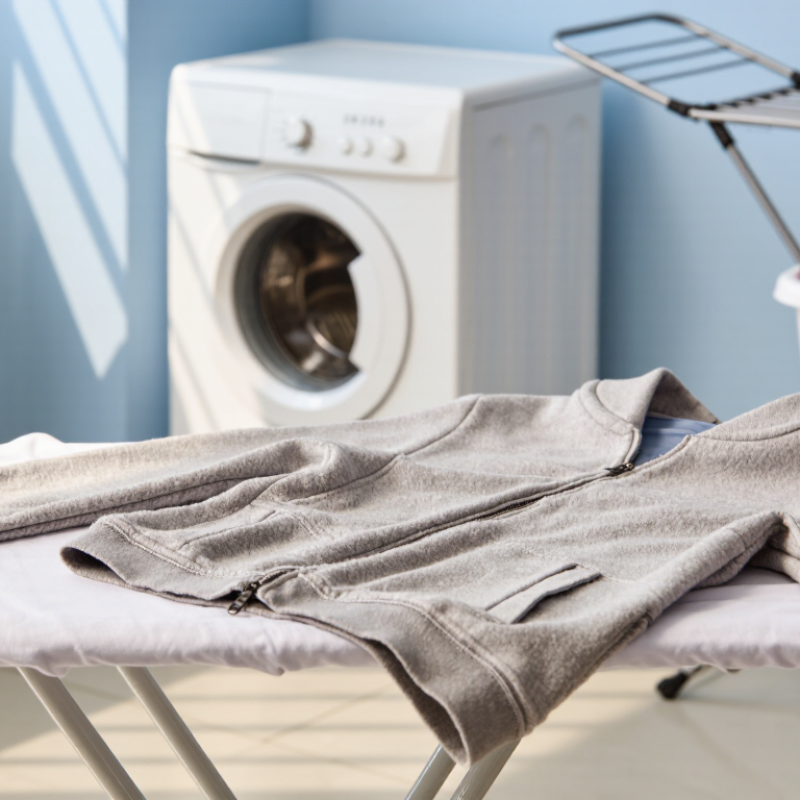
How to Stop Fleece from Shrinking After Washing

Check the Fleece Type and Care Label

How to Stop Fleece from Shrinking After Washing

Check the Fleece Type and Care Label

“Fleece” describes a fabric, not one fixed fiber. Check the label for polyester, cotton, wool, or a blend before choosing a wash setting. Textile Exchange’s Materials Market Report 2024 states that polyester made up 57% of global fiber production in 2023. That figure shows how common polyester is, but it does not mean every fleece item tolerates heat. Fabric construction and finishing also affect how a garment responds to washing. A polyester label is useful, not a full care plan.

Follow the garment’s care symbols and written instructions. If the label says cold wash and low-heat tumble dry, avoid hotter settings, which can distort fibers or damage the fabric’s finish. AATCC Test Method 135 evaluates dimensional changes in fabrics after home laundering. It is a testing method, not a promise that a particular garment will shrink by a set amount. Labels can be vague, too; when instructions are missing, a cautious approach is sensible. I would rather accept a slower drying time than guess with high heat.

Tips: Separate fleece from rough items with zippers, use a gentle cycle, and reshape it while damp. Air-dry when the label allows. Check the label again before ironing—some fleece should not be ironed at all.

How to Stop Fleece from Shrinking After Washing: Check the Fleece Type and Care Label

The bars show common maximum wash temperatures represented by care-label wash symbols; they are not universal recommendations for fleece. Check the garment’s label and fiber content before washing. Wool fleece can shrink or felt, while polyester fleece is generally more resistant to shrinkage but can be damaged by high heat. When in doubt, use a cool wash and air-dry or tumble-dry on low if the label allows.

Prepare the Garment Before Washing

Before washing, read the care label and check the fabric content. “Fleece” can mean polyester, cotton, or a blend, so one wash routine may not suit every garment. Textile Exchange’s Materials Market Report 2024 estimates polyester made up 57% of global fiber production in 2023. That figure is context, not a shrinkage prediction; the garment’s own label matters more. Check seams, cuffs, and pocket edges for loose threads, and remove anything left inside the pockets. Zip closures and fasten hook-and-loop tabs to reduce snagging. Turn the garment inside out. Small steps, but useful.

For a careful baseline, lay the fleece flat and note its length and width before washing. A quick phone photo beside a ruler can help you spot changes later. Separate it from heavy items, such as towels or denim, which can rub and distort the pile. If the label permits machine washing, choose a gentle cycle and cool water; avoid stretching the garment while lifting it wet. AATCC Test Method 135 provides a standardized way to assess fabric dimensional change after home laundering, underscoring why consistent wash conditions matter. I have overlooked a care label before; that is an easy mistake, and checking it takes less time than guessing.

Wash Gently in Cool Water

Cool water helps fleece keep its shape because it limits heat exposure during washing. Check the care label first; fleece may be polyester, a blend, or another fabric with different needs. Set the machine to a gentle or delicate cycle, and choose cool water rather than warm. Less friction helps. Turn the garment inside out to reduce rubbing on the soft outer surface. Avoid packing the washer tightly, since crowded clothes can twist and press against each other.

Use a small amount of mild detergent. Too much can leave residue that makes fleece feel stiff, while bleach or fabric softener may affect its texture. If the item is especially delicate, hand-wash it in a basin of cool water, pressing it gently instead of scrubbing or wringing. I used to think cool water alone could prevent every change in fit, but that is not quite true: fabric blends and prior wear matter too. After washing, reshape the garment and lay it flat to dry, away from direct heat. A low-heat dryer setting may still be too warm for some fleece, so check the label before using one.

Remove Excess Water Without Stretching the Fabric

After washing, support the fleece instead of lifting it by one corner. Wet fabric can sag under its own weight, and pulling it from the washer may distort seams or cuffs. Lay it flat on a clean towel. Roll the towel loosely, then press along it with both hands to absorb water. Do not wring or twist. A little patience helps. If the towel becomes soaked, replace it and repeat with gentle pressure. Keep the fabric’s original shape; avoid tugging sleeves or stretching the hem to make it “look right.”

The care label matters because “fleece” describes a fabric structure, not one universal fiber. Textile Exchange’s Materials Market Report 2024 estimates polyester made up 57% of global fiber production in 2023, but that figure does not tell you the fiber content of your garment. Check the label before choosing a drying method. For polyester fleece, excess heat and rough handling can affect shape and surface texture, so press out water gently and dry the item flat, away from direct heat. AATCC Test Method 135 provides a standardized way to assess dimensional change after home laundering; it is a measurement method, not a guarantee that every fleece will behave alike. I still find it easy to press too hard when a towel feels damp. Use lighter pressure than seems necessary.

How to Stop Fleece from Shrinking After Washing — Remove Excess Water Without Stretching the Fabric

Stage Recommended method How to do it Avoid Why it helps
Check the care label Follow the garment’s care instructions first. Check the label for washing, spin, and drying guidance before handling the wet fleece. Assuming every fleece item can be treated the same way. Fleece garments can differ in fiber content, construction, and finishing.
Lift from underneath Support the whole garment when taking it out of the washer. Gather the garment gently with both hands or support it across your forearms. Picking it up by a sleeve, hem, or shoulder. Wet fabric is heavier and can stretch under its own weight.
Press out water by hand Use gentle, even pressure over a basin or sink. Press sections between your hands without twisting or pulling the fabric. Wringing, twisting, or tightly squeezing the garment. Gentle pressing removes some water while reducing stress on the fabric’s shape.
Use a clean towel Roll the fleece in a towel to absorb moisture. Lay the garment flat on a clean, dry towel. Roll the towel and garment together, then press lightly along the roll. Pulling the garment lengthwise or rubbing it against the towel. The towel absorbs moisture without requiring the fleece to be stretched or wrung.
Use the washer’s spin cycle, if suitable Select a low or gentle spin setting when the care label permits. Let the washer remove water with a gentle spin rather than manually twisting the garment. A high-speed spin if the label advises against it. A suitable spin can remove excess water with less handling.
Reshape while damp Lay the garment flat and smooth it into its natural shape. Align seams and edges gently; do not tug the fabric to make it larger or longer. Hanging a heavy, wet fleece garment by the shoulders. Flat support helps limit stretching while the garment dries.
Air-dry flat Dry on a clean, flat surface with good airflow. Place the garment on a drying rack or dry towel and turn it over when needed. Direct high heat or leaving the item bunched up while damp. Gentle drying avoids unnecessary heat exposure and helps the garment dry evenly.

Important: Follow the garment’s care label. Many fleece items are made from synthetic fibers, which are not typically prone to shrinking like some natural fibers, but excessive heat can damage or distort the fabric.

Air-Dry Flat and Reshape the Fleece

After washing, support the fleece while it is wet. Press it gently between clean towels; do not twist or wring it. Lay it flat on a dry towel or mesh rack, away from heaters and strong sunlight. Hanging a water-heavy garment can pull its shoulders and cuffs out of shape. Small adjustments matter.

Smooth the body, align the side seams, and ease sleeves back to their original length. Shape the collar and cuffs with your hands, without stretching them. Let the garment dry fully before folding or wearing it. Turn it once if the towel underneath stays damp. It takes longer. That is the trade-off.

Textile Exchange’s 2024 Materials Market Report says polyester made up 57% of global fiber production in 2023; many fleeces use polyester, but blends and fabric construction vary. The figure is industry context, not a promise that every fleece behaves alike. Check the care label, and remember that excessive heat can still damage fibers even when air-drying.

I sometimes find a sleeve needs reshaping again halfway through drying. That small correction is easy to miss.

FAQS

Can every fleece garment be washed the same way?

No. Fleece may contain polyester, cotton, or a blend. Check the care label before washing.

What should I do before putting fleece in the washer?

Check seams, cuffs, and pockets for loose threads or items. Zip closures, fasten hook-and-loop tabs, and turn the garment inside out. Small steps matter.

What wash settings are usually gentler on fleece?

If the label allows machine washing, use a gentle cycle and cool water. Avoid crowding the washer with heavy items like towels or denim.

How much detergent should I use?

Use a small amount of mild detergent. Too much may leave residue and make the fabric feel stiff.

Should I use fabric softener or bleach?

They may affect fleece texture. Check the care label, and avoid them if the label does not recommend them.

How can I dry fleece without pulling it out of shape?

Press water out gently between clean towels. Lay the garment flat on a dry towel or mesh rack, away from heaters and strong sunlight. Do not wring it.

Should I reshape fleece while it dries?

Yes. Smooth the body, align the seams, and gently shape the sleeves, collar, and cuffs. Turn it if the towel underneath stays damp.

Can cool water prevent every change in fit?

No. Fabric blends, construction, and previous wear can affect the result. I once trusted cool water alone; that was too simple.

Is a low-heat dryer setting always safe for fleece?

Not always. Check the care label first. Air-drying flat takes longer, but helps avoid direct dryer heat.

Conclusion

To keep fleece from shrinking after washing, begin by checking the fabric type and reading its care label, since different fleece garments may need different handling. Before washing, close fasteners, empty pockets, and turn the garment inside out to reduce friction. Use cool water and a gentle wash cycle, with a mild detergent and similar items, to help protect the fabric’s fibers. If you’re wondering why does fleece shrink after washing, heat and rough handling can cause fibers to tighten or the garment to lose its shape.

After washing, avoid wringing or twisting the fleece. Press out excess water gently, or roll the garment in a clean towel. Lay it flat to air-dry, away from direct heat, and reshape it while it is still damp. This careful routine helps fleece retain its size, softness, and original shape.

Charlotte

Charlotte

Charlotte is a seasoned marketing professional with a deep understanding of the company's portfolio and a passion for elevating its presence in the market. With a keen eye for detail and a commitment to excellence, she ensures that our professional blog is regularly updated with insightful articles......