Plush toys collect dust, skin oils, food crumbs, and invisible moisture inside their fibers. For parents, caregivers, and manufacturers, cleaning is not merely cosmetic. It protects softness, color, seams, and everyday hygiene. This guide explains how to clean plush toy fabrics safely in 2026, using practical methods and evidence-based precautions.
The U.S. Consumer Product Safety Commission’s Toy-Related Deaths and Injuries report recorded about 231,000 toy-related emergency-department injuries among children under fifteen in 2023. Cleaning cannot prevent every hazard, but it supports safer handling and regular inspection. ASTM F963-23 also emphasizes toy safety through requirements covering materials, durability, and accessible components. These standards remind us that washing choices should never weaken eyes, stitching, labels, or internal stuffing.
Check the care label before touching water. A damp white cloth can reveal color bleeding on a hidden seam. Surface vacuuming may suit delicate fur, while machine washing can work for firmly stitched polyester plush. Use mild detergent, cold or lukewarm water, and thorough drying. Never store a toy while its center still feels cool or damp.
A perfect routine does not exist. Some toys contain electronics, foam, glued decorations, or fragile vintage fabric. Those materials need different treatment. I have found that rushing the drying stage causes more trouble than gentle washing. The following sections compare hand washing, machine cleaning, spot treatment, disinfection limits, drying techniques, and storage practices. They also explain when cleaning should stop and professional textile advice should begin.
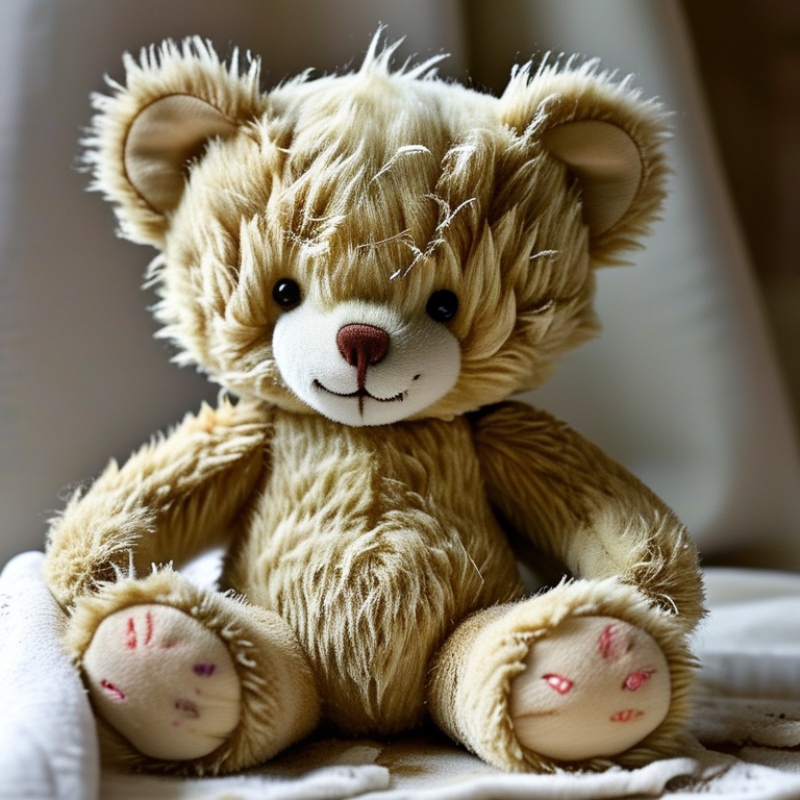
Cleaning a plush toy safely begins with fiber identification, not water. Check the sewn label and compare each symbol with ISO 3758 care instructions. A washtub shows washing permission, while a hand inside it requires gentle hand washing. Temperature dots matter. One dot usually indicates a cooler cycle. A crossed triangle means avoid bleach.
Fiber content changes the risk. Polyester pile may tolerate mild detergent, but cotton, wool, rayon, and blended fabrics can shrink or distort. Textile Exchange’s 2024 Materials Market Report estimated global fiber production at 124 million tonnes in 2023, with polyester representing about 59 percent. That figure explains polyester’s common use, but it does not guarantee safe cleaning. Construction, dye, stitching, and filling still matter.
Look closely. The symbol is easy to miss. Before cleaning, photograph the label and test a hidden seam with a damp white cloth. Color transfer means stop. Use cool water, a small amount of neutral detergent, and gentle pressure. Never soak a toy with glued eyes, sound parts, or exposed seams unless the care label permits it. A square with a circle concerns tumble drying; a cross means avoid it. Air-dry flat, reshape the ears and limbs, and keep the toy away from direct heat. ISO 3758 guides label interpretation, but labels can be incomplete or worn. I have found that a cautious test often reveals more than confident assumptions.
Loose dust should be removed before washing. Use a HEPA vacuum rated to capture 99.97% of particles at 0.3 micrometres. This performance threshold comes from the U.S. Department of Energy’s HEPA specification. The U.S. Environmental Protection Agency also identifies high-efficiency filtration as a practical method for reducing airborne particles indoors.
Keep the suction gentle. Place a clean mesh screen or thin cotton cloth over the nozzle. This reduces fabric snagging and protects loose stitching. Move slowly across the toy’s ears, paws, seams, and fur direction. Hold the toy firmly, but do not flatten its filling. A soft brush can loosen settled dust before vacuuming, although aggressive brushing may damage older pile.
Watch the details.
Inspect the filter and hose before use. A clogged filter can reduce airflow and release disturbed dust back into the room. Vacuum outdoors or near good ventilation when possible. Textile-care guidance commonly recommends testing fragile materials in a hidden area first, especially for dyed fur or glued decorations.
This approach is not perfect. HEPA filtration captures airborne particles efficiently, but it cannot remove stains, odors, or dust trapped deep inside dense stuffing. Some toys may also lose fibers under repeated suction. Stop when the fabric begins lifting, and reassess the cleaning method.
Plush toys collect skin oils, dust, and food particles around seams. Begin with a care-label check and a close inspection. Remove batteries, sound units, ribbons, or loose accessories. AATCC’s TM61 method uses one 45-minute accelerated wash to represent about five home launderings, showing how repeated washing can stress dye and pile. Test colorfastness before full cleaning. Dab a hidden seam with cool water and pH-neutral detergent. Press it with a white cloth for ten seconds. Any transferred color means stop.
Hand-wash the toy at 30°C, a temperature included in ISO 6330:2021 domestic textile-care procedures. Use a small amount of mild, pH-neutral detergent. Avoid bleach, fabric softener, and vigorous rubbing. Support the toy in both hands, then squeeze gently through clean water. Do not twist it. Excess water can distort foam filling and stitched facial details. Dry it flat on a clean towel, away from direct heat. I once underestimated drying time; a thick plush toy may feel dry outside while remaining damp inside.
Tips: Photograph the toy before cleaning. Work in sections when the surface is large. Use a soft toothbrush for seam dust, but stop if fibers lift. Check the hidden area again after drying. AATCC colorfastness testing relies on controlled comparisons, while home lighting is inconsistent, so inspect the fabric in daylight before judging the result.
Before washing, read the care label carefully. ISO 3758:2023 uses symbols to define approved textile-care methods. A machine-wash symbol with 40°C permits washing, but it does not guarantee complete fabric safety. Check seams, glued eyes, embroidered details, and battery compartments by hand. Remove loose accessories.
Use a gentle 40°C cycle only when the symbol allows it. Place the plush toy inside a mesh laundry bag. Fasten zippers and wash with similar colors. Choose a mild detergent and avoid bleach, fabric softener, and high-speed spinning. AATCC colorfastness methods show why dyes need controlled washing conditions, especially on mixed fabrics. Cold water may seem safer, but it may not remove oils or allergens effectively.
Keep the cycle short. Really short. Energy Saving Trust guidance reports that washing at 30°C can use about 40% less energy than washing at 40°C, yet the label remains the controlling instruction. Do not guess when the symbol is unclear. Remove the toy immediately after washing, reshape its ears and limbs, then air-dry it flat in a ventilated room. Never use high heat unless the care label specifically permits it. I once assumed a fluffy surface meant durable stitching; that assumption was wrong. A slow inspection can prevent stuffing clumps, color bleeding, and permanent deformation.
How to Clean Plush Toy Fabrics Safely in 2026?
Keep drying below 60°C. This reduces heat stress on synthetic pile, thread, foam, and glued details. Follow the care label when one is available. If no label exists, choose air drying or the lowest dryer setting. The 60°C limit is a cautious handling target, not a universal ASTM pass-or-fail requirement. ASTM F963-23 focuses on toy safety, including accessible components, sharp points, and construction risks.
After washing, inspect every seam while the fabric is still slightly damp. Look around the neck, paws, ears, and embroidered panels. Press the seam gently, then apply a light hand pull. Stop if stitching opens, stuffing appears, or a plastic part moves. CPSC’s 2023 toy injury report estimated 231,150 emergency-department-treated injuries involving toys among children under 15. That figure covers all toy types, not plush toys alone, but it supports careful post-cleaning checks.
Use clean hands and bright light. Loose threads need attention. Do not cut them blindly. A weak seam can widen after another wash. I sometimes find hidden distortion only after the toy dries completely, so I inspect it twice. That extra check feels excessive, yet it catches problems missed during a quick review. Record the wash temperature and any seam change for repeat care. A home inspection cannot certify ASTM F963-23 compliance, but it can reveal obvious hazards before reuse.
| Cleaning Area | Recommended Practice | Target Setting | Reason | Post-Cleaning Safety Check |
|---|---|---|---|---|
| Care-label review | Check washing, drying, filling, and electronic-component instructions before using water. | Before cleaning | Plush toys may contain mixed fabrics, adhesives, foam, or sound modules that require different care. | Do not immerse a toy containing batteries, speakers, lights, or other non-washable components unless the instructions specifically allow it. |
| Surface dust removal | Use a low-suction vacuum with a clean fabric attachment or gently shake outdoors. | Dry method | Removes loose particles without saturating the textile or stressing seams. | Inspect eyes, noses, ribbons, and other attached parts for looseness before further cleaning. |
| Spot cleaning | Blot with a soft cloth dampened with lukewarm water and a small amount of mild detergent. Avoid aggressive rubbing. | Approximately 20–30°C | Lukewarm water helps limit color transfer, pile distortion, and shrinkage compared with hot water. | Rinse away visible detergent residue and check that the fabric surface remains intact. |
| Hand washing | Use gentle agitation in a basin, then press out water without twisting, wringing, or pulling the toy. | Approximately 20–30°C | Lower mechanical stress helps protect stitching, embroidered details, and internal filling. | Confirm that no filling has shifted into hard lumps and that seams have not opened. |
| Machine washing | Only machine-wash when permitted by the care instructions. Place the toy in a mesh laundry bag and select a gentle cycle. | Cold or up to 30°C | A gentle, low-temperature cycle reduces deformation and abrasion. | Examine the bag, toy, and closures for broken threads, detached parts, or exposed filling. |
| Detergent selection | Use a small dose of mild liquid detergent. Avoid bleach, fabric softener, solvents, and strong stain removers. | Low concentration | Harsh chemicals may fade dyes, weaken fibers, or leave residues that irritate skin. | Check for slippery residue, strong odor, color bleeding, or surface roughness after rinsing. |
| Water removal | Roll the toy in a clean towel and press gently to absorb excess water. | No wringing | Twisting can stretch fabric, distort the shape, and increase stress on seams. | Reshape the toy while damp and verify that attached features remain aligned and secure. |
| Air drying | Dry flat or hang only when the toy’s shape and attachments can support the weight. Keep it in a well-ventilated area. | Preferred method | Air drying avoids concentrated heat and reduces the risk of shrinkage or filling damage. | Do not store until the interior is fully dry; damp filling can develop an odor or support microbial growth. |
| Tumble drying | Use only when allowed by the care instructions. Select the lowest heat setting and stop if the toy becomes misshapen. | Below 60°C Below 140°F |
Lower heat helps reduce thermal stress on synthetic fibers, adhesives, plastic parts, and filling materials. | Allow the toy to cool before checking seams, since warm materials may temporarily feel softer or more flexible. |
| Seam inspection | Visually inspect every seam, closure, embroidered feature, and attachment point after the toy is completely dry. | Before reuse | Cleaning and drying can reveal weakened stitching or loosened components that were not visible beforehand. | Remove the toy from use if a seam is open, stuffing is exposed, or a small part can be pulled loose. |
| ASTM F963-23 safety reference | Use the standard as a toy-safety reference for hazards such as accessible small parts, sharp points, sharp edges, and certain material or physical-mechanical risks. | Post-cleaning review | ASTM F963-23 is a consumer toy safety specification; it does not replace the toy’s care instructions or a professional compliance assessment. | Check that no part has become accessible, detachable, sharp, cracked, or otherwise hazardous after cleaning. |
| Storage after cleaning | Store the fully dry toy in a clean, dry, ventilated location away from direct heat and prolonged sunlight. | Cool, dry area | Good ventilation helps limit retained moisture, odor, mildew, and unnecessary fading. | Repeat the safety inspection before giving the toy to a child, especially after repeated washing cycles. |
Safety note: Always follow the product care instructions first. ASTM F963-23 provides toy-safety criteria, but cleaning performance and care requirements depend on the toy’s materials, construction, filling, and attachments.
: Wash it by machine only when the care label permits machine washing. A 40°C symbol allows a gentle 40°C cycle. An unclear symbol means you should not guess.
Check seams, glued details, embroidered areas, and battery compartments by hand. Remove loose accessories first. Fasten zippers and place the toy inside a mesh laundry bag.
Use mild detergent and a short, gentle cycle. Avoid bleach and fabric softener. Choose low-speed spinning. High-speed spinning can distort stuffing and limbs.
Not necessarily. Cold water may leave oils or allergens behind. The care label controls the washing temperature. Follow the approved setting, even when another option seems gentler.
Remove it immediately after the cycle ends. Reshape the ears, paws, and limbs while damp. Air-dry it flat in a ventilated room.
Keep drying below 60°C unless the care label permits otherwise. If no label exists, air-dry the toy or select the lowest setting. Avoid high heat. It can damage pile, foam, thread, and glued parts.
Use clean hands and bright light. Check the neck, paws, ears, and embroidered panels. Press each seam gently, then apply a light hand pull. Stop if stitching opens, stuffing shows, or a plastic part moves.
Inspect the toy while slightly damp and again after it dries completely. Look for clumped stuffing, color bleeding, loose threads, or permanent deformation. I once trusted a fluffy surface too much. That was a mistake. Record the temperature and any seam changes for future care.
Learning how to clean plush toy fabrics safely begins with checking the toy’s fiber composition and care symbols according to ISO 3758. Before using water, remove loose dust with a HEPA vacuum rated to capture 99.97% of particles measuring 0.3 micrometers. Next, perform a small colorfastness test in an inconspicuous area. If the fabric remains stable, hand-wash it at 30°C with a pH-neutral detergent, using gentle movements to protect the fibers and filling.
Machine washing should only be considered when the ISO 3758 symbols clearly allow it. Choose a gentle cycle at 40°C and avoid harsh treatments that may distort the fabric or damage decorative features. After cleaning, dry the plush toy below 60°C and make sure it is fully dry before use or storage. Finally, inspect seams, eyes, attachments, and other structural details against relevant ASTM F963-23 safety considerations to identify loosened parts or damage. This careful process helps preserve softness, appearance, hygiene, and overall safety.

Harbor Textiles