In the world of DIY home decor, understanding how to layer fabrics for DIY home decor is crucial for creating visually stunning spaces. According to a recent report by the Home Furnishing Association, over 75% of homeowners express a desire to personalize their interiors. Utilizing multiple fabric layers can transform standard decor into a unique statement, combining textures, colors, and patterns to enhance spaces.
Experts recommend that layering not only adds depth but also evokes a sense of warmth and comfort. For instance, a well-placed throw pillow can change the vibe of an entire room. In terms of market trends, a survey from the Fabric Association revealed that over 60% of consumers are increasingly drawn to mixed materials for their home decor, highlighting an opportunity for creative expression.
However, mastering this technique isn’t without its challenges. Misjudging fabric weight or color can lead to overwhelming designs. It’s essential to experiment, assess, and often re-evaluate choices to achieve cohesion. In the pursuit of beautiful interiors, it’s important to embrace imperfections and learn from missteps along the way.
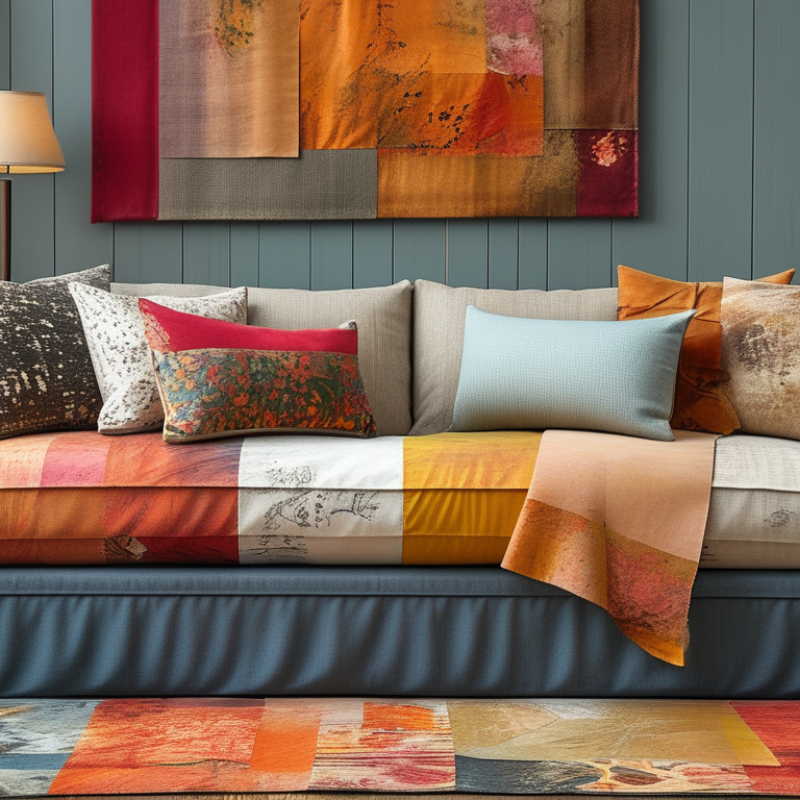
When it comes to DIY home decor, understanding fabric types is essential for successful layering. Many people overlook the importance of fabric selection. However, the right fabric can set the tone for your entire space. According to a recent industry report, 70% of decorators believe that fabric choice significantly influences ambiance.
For effective layering, consider the characteristics of each fabric. Light fabrics like chiffon can create an airy feel, while heavier materials such as velvet add depth and richness. Mixing textures can enhance visual interest. However, be cautious; an imbalance can make a room feel cluttered. It’s crucial to maintain harmony.
Tip: Begin with a neutral base. Add layers with patterned textiles to prevent overwhelming the space. Use different fabric weights to create contrast, using lighter fabrics at the top and heavier ones below. Be mindful of excess fabric. An overly busy design can detract from the overall aesthetic. A recent survey indicated that 55% of homeowners prefer a minimalist approach to fabric choices.
Experiment with colors, but maintain a cohesive palette. Stick to a few hues to avoid confusion. This strategy can unify diverse elements, making the space feel intentional. When layering, remember that imperfections can enhance character. Embrace asymmetry and accidental mismatches; they often bring life to your decor.
Layering fabrics in home decor can create depth and interest. Color schemes play a vital role in this process. Research indicates that color affects our emotions significantly. According to a 2023 study from the Color Marketing Group, 85% of consumers make purchasing decisions based on color. This insight is essential for DIY enthusiasts.
When layering fabrics, start by selecting a base color. Neutral tones provide a versatile backdrop for richer colors or patterns. For example, using a beige or soft gray base allows for the introduction of vibrant, contrasting fabrics. A layered approach with blues and golds can evoke a sense of calm and elegance. At the same time, a clash of colors may lead to visual discord.
However, not all choices are perfect. It’s common to misjudge how colors interact in different lighting. A fabric that appears stunning in daylight can look monotonous under artificial light. Experimentation is key. Create fabric swatches and view them in various lighting conditions. This testing phase can make the difference between a harmonious space and one that feels jarring. Don't shy away from using textures, as they add tactile interest while supporting your color choices.
Layering fabrics in home decor creates depth and visual interest. Textural contrast plays a crucial role in this process. By combining different fabric types—like velvet, linen, and cotton—you can achieve a stunning aesthetic. Thick velvet curtains paired with lightweight linen cushions create a beautiful contrast. This mix adds warmth and sophistication to any room.
Using varying colors and patterns also enhances the layers. A bold-patterned throw blanket can add excitement against solid-colored upholstery. However, it’s essential to balance these elements for a cohesive look. Too many competing textures may overwhelm the eye. Reflecting on what works and what doesn't is vital for refining your design.
Experimenting can lead to delightful surprises. You might discover that a rough burlap runner complements smooth glass decor beautifully. Take time to assess your layering choices. Don’t shy away from adjusting elements until they feel right. Finding the perfect mix of fabrics is a journey worth exploring.
Layering fabrics can transform your home decor into a stunning visual experience. Choosing sustainable fabrics adds depth to your design while being kind to the planet. Eco-friendly materials like organic cotton, linen, and hemp make great choices. These fabrics not only look beautiful but also support sustainable practices.
Consider mixing textures and colors for a striking effect. Imagine a soft linen curtain layered with a rough hemp throw. The contrast draws the eye and creates an inviting atmosphere. Don't shy away from imperfections; they can tell a story. A slightly frayed edge might add character and charm to your arrangement.
Implementing eco-friendly layering requires thoughtful planning. Evaluate what you already own and how it can complement new pieces. This way, you reduce waste and promote a more sustainable approach. A mismatched arrangement might feel chaotic, but it can also lead to unique, personal touches. Let each layer reflect your personality and commitment to sustainability.
Layering fabrics can transform your home decor. Start by selecting
different textures and colors. Choose lightweight cottons,
rich velvets, and airy linens. These variations create
depth and interest. Use a neutral base layer to balance bold prints and patterns.
This step is crucial for cohesion.
Consider combining fabrics in unexpected ways. Mix
floral patterns with
geometric prints for a vibrant look. Use contrasting colors to energize a space.
Don't be afraid to try mismatched styles; it can lead to stunning results.
Experimenting can result in mistakes too. Sometimes fabrics clash, or colors don’t harmonize as expected.
Reflect on these moments to refine your technique.
Finally, ensure your fabric layers drape beautifully.
Pinning initial placements can help visualize the final design. Secure layers with
fabric glue or staples for permanence.
Note that some methods may lead to uneven textures.
Regular practice improves your skills and enhances your overall confidence.
Have fun with your DIY project!
: Layering different fabrics adds depth and visual interest to your space.
Combine thick fabrics like velvet with lightweight ones like linen for contrast.
Start with a neutral base layer to balance bold prints and patterns.
Yes, mixing styles can lead to surprisingly beautiful results.
Reflect on the combinations and adjust them until they feel right.
Pin your initial placements and secure layers for a polished look.
Yes, some techniques might lead to uneven textures.
Mistakes can lead to valuable insights and improvements in your technique.
Take time to evaluate your combinations and be open to adjustments.
It’s a journey, so enjoy exploring different textures and combinations.
This article explores how to layer fabrics for DIY home decor, emphasizing the importance of understanding different fabric types as a foundational element in the layering process. It discusses the significance of color schemes in achieving visual harmony, while also highlighting the role of textural contrast to enhance depth and interest in home designs.
Sustainable fabric choices are covered, presenting eco-friendly techniques that can be employed in fabric layering. Additionally, the article provides a step-by-step guide to practical DIY fabric layering techniques, enabling readers to create stunning results in their home decor projects. By mastering these principles, anyone can transform their living space into a stylish and inviting environment.

Harbor Textiles