Stuffed animals hold sentimental value for many children and collectors. Understanding how to make stuffed animals last longer can enhance this emotional connection. According to a report by the Toy Industry Association, plush toys account for 30% of all toy sales, highlighting their popularity. However, wear and tear can diminish their charm over time.
Proper care is essential for longevity. Washing stuffed animals according to label instructions can prevent damage. Yet, many people overlook this aspect, leading to fading or loss of shape. Additionally, handling plays a role. Regularly rotating use can help minimize wear from constant handling. Incorporating storage solutions can also protect them from dust and sunlight.
Collectors particularly face unique challenges. Vintage stuffed animals, often delicate, require gentle maintenance. Not all owners are aware of best practices. Ignoring these details can result in irreversible damage. Implementing careful cleaning, handling, and storage can significantly improve a stuffed animal's lifespan. In this way, both kids and collectors can continue to cherish their beloved toys for years to come.
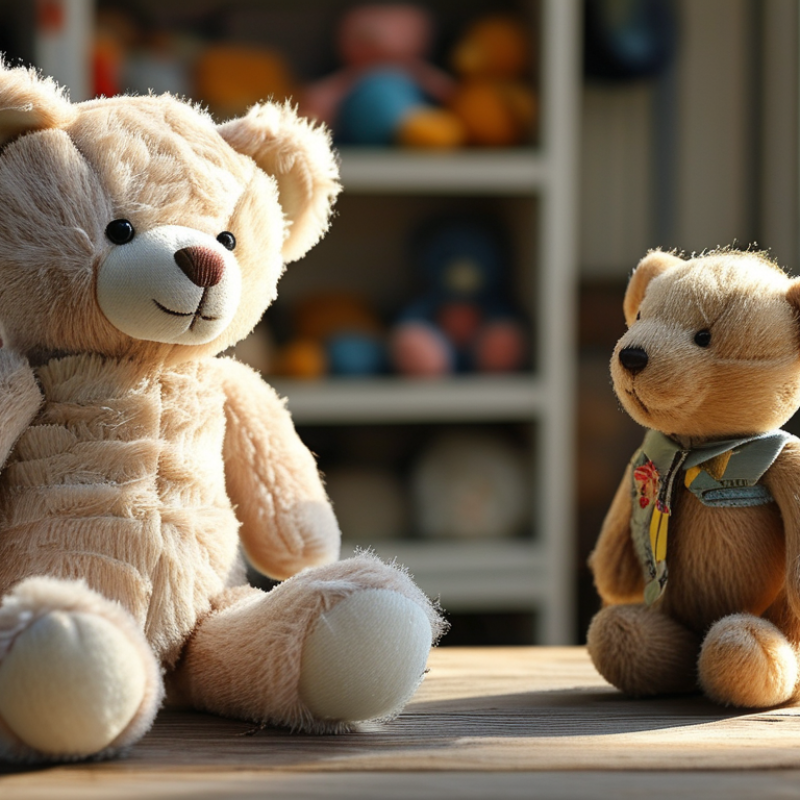
Choosing High-Quality Materials for Long-Lasting Stuffed Animals
When choosing materials for stuffed animals, quality is crucial. Fabrics made from natural fibers, like cotton, are often more durable than synthetic options. They resist wear while providing a soft touch. However, natural materials may require extra care to maintain their look. Some parents prefer polyester blends for their easy maintenance and resistance to fading.
Stitching and stuffing play significant roles too. Strong seams prevent ripping, especially in play situations. Look for double-stitched seams for added durability. A stuffing made from polyester fiber can withstand rough handling while maintaining shape. Still, excessive washing may cause flattening over time. Therefore, consider removable covers that can be washed separately.
Even with high-quality materials, it's essential to inspect stuffed animals regularly. Loose threads or frayed areas can be signs of wear. Encourage kids to treat their toys gently, promoting longevity. Reflecting on how stuffed animals are used can help gauge the need for repairs or replacements.
Best Practices for Cleaning and Maintaining Stuffed Animals
Cleaning and maintaining stuffed animals requires attention and care. Regular cleaning helps to keep them fresh and free from allergens. For surface cleaning, use a damp cloth and mild soap. This method is safe for most fabrics and keeps the colors vibrant. For deeper cleaning, some stuffed animals can be machine washed. Use a gentle cycle and a laundry bag to protect them. Always check the care label for specific instructions.
Storage plays a vital role in maintenance. Avoid exposing stuffed animals to direct sunlight for long periods, as this can fade their colors. When not in use, store them in a cool, dry space. Ensure they are tucked away from moisture and pests. Vacuuming them occasionally helps remove dust and debris, ensuring they stay clean.
Over time, even the best-loved stuffed animals can show signs of wear. Seams may fray, and stuffing can clump. Don’t hesitate to repair minor damages. Needle and thread can work wonders, even if your sewing is not perfect. Taking time to maintain these cherished items encourages reflection on their journey. Each stitch tells a story, connecting us to memories and emotions.
Repair Techniques for Common Damage on Stuffed Animals
Stuffed animals are beloved companions for many children and collectors alike. Over time, these cherished items can suffer from wear and tear. Understanding basic repair techniques can help bring them back to life.
For small tears or rips, needle and thread work wonders. Choose a thread color that matches the fur. Carefully stitch the tear, making small, tight stitches for durability. For areas that see a lot of action, consider reinforcing them with a patch. Felt or fabric glue can add an extra layer of strength.
For missing stuffing, you can use polyester fiberfill. Simply open a seam on a less visible area, add the stuffing, and sew it back. Remember that using too much stuffing can make your stuffed animal look lumpy. Regular cleaning is essential, but be cautious. Washing can sometimes lead to discoloration. Test any cleaning method on a small area first. A well-maintained stuffed animal can last for years, but perfection isn't always possible. It's okay for them to show some signs of love.
Storage Solutions to Protect Stuffed Animals from Wear
Stuffed animals are cherished by children and collectors alike. Proper storage solutions can significantly extend their lifespan. A study by the Association of Toy Industries highlights that 70% of stuffed toys show signs of wear due to improper storage. Temperature and humidity control are vital for retaining their original form.
Consider using breathable bags or clear containers. These options protect from dust and moisture while allowing visibility. However, not all materials offer the same protection. Plastic bags can trap moisture, leading to mold. It's important to regularly check stuffed animals for signs of wear.
For frequent handling, consider a rotation system. Displaying only a few at a time can reduce wear. Rotating toys every few months maintains their appeal. Yet, some collectors struggle to balance display and preservation. Reflect on the practicality of your storage solutions. Are they functional? Are they protecting your beloved items effectively?
Educating Kids on Caring for Their Stuffed Animals
Stuffed animals are more than toys; they are companions for many kids. Educating children on how to care for these cherished items can deepen their appreciation and extend their lifespan.
First, teach them to store their stuffed animals in a safe, clean place. A designated shelf can keep them off the floor and away from potential mess. This simple act encourages organization and mindfulness about their belongings.
Regular cleaning is essential. Encourage kids to brush their stuffed animals gently. Using a soft brush can remove dust and dirt. For deeper cleaning, guide them to check care tags for washing instructions. Some stuffed toys may require hand washing or special detergent. Teach them about drying too. Air drying prevents damage, ensuring their beloved companions remain vibrant.
Remind kids to be gentle with their toys. While it's tempting to squeeze them tight during rough play, excessive force can cause wear. Discuss the value of being mindful during playtime. Reflecting on these practices can help foster a sense of responsibility in kids, making them more likely to care for their toys with love and attention.
FAQS
: Natural fibers like cotton are durable and soft. Polyester blends are easier to maintain but may not last as long.
Regular cleaning keeps them fresh. Use a damp cloth with mild soap for surface dirt. Machine wash only if the label allows.
Look for loose threads or frayed seams. Flattened stuffing is also a sign they might need attention.
Use breathable bags or clear containers. Avoid direct sunlight to prevent fading and store them in a cool, dry place.
Plastic bags can trap moisture, leading to mold. It's better to avoid them for long-term storage.
Regular inspections help catch signs of wear early. Look for damage and clean them periodically.
Yes, rotating displays every few months helps reduce wear. This keeps them appealing while preventing excessive exposure.
Even imperfect sewing can repair stuffed animals. Taking the time to fix them shows care and preserves memories.
Teach them that gentle play promotes longevity. Share stories of how their toys are special and worth caring for.
Conclusion
When considering how to make stuffed animals last longer for kids and collectors, the foundation lies in selecting high-quality materials that can withstand wear and tear. Opting for durable fabrics and strong stitching ensures that the stuffed animal can endure daily use while retaining its charm. Regular cleaning is essential, and following best practices—such as gentle hand washing or using appropriate washing methods—can help maintain the toy's appearance and hygiene.
Additionally, applying repair techniques for common damages, such as sewing up seams or patching holes, can extend the lifespan of these cherished items. Proper storage solutions also play a vital role in protecting stuffed animals from unnecessary wear, ensuring they remain in great condition when not in use. Finally, educating kids on how to care for their stuffed animals fosters a sense of responsibility and encourages them to engage in upkeep, further promoting longevity.

 Harbor Textiles