Creating outdoor cushions can elevate your patio space. However, the right materials make all the difference. Renowned designer Amanda Wright emphasizes, “Selecting weather-resistant fabrics is key for longevity.”
When thinking about how to make outdoor cushions with weather-resistant fabrics, start by choosing the right materials. Look for options that repel water and resist fading. Durable fabrics often have a coating that offers extra protection against the elements. Choosing the wrong material can lead to quick wear and fading.
Measuring your seating area accurately is crucial. Take your time to ensure perfect fit and comfort. Cutting corners at this stage can lead to disappointment later. Your cushions should fit snugly and look appealing. Making outdoor cushions might seem simple, but attention to detail will define your project’s success. Be prepared for a bit of trial and error. Embrace the process, and you will create something beautiful.
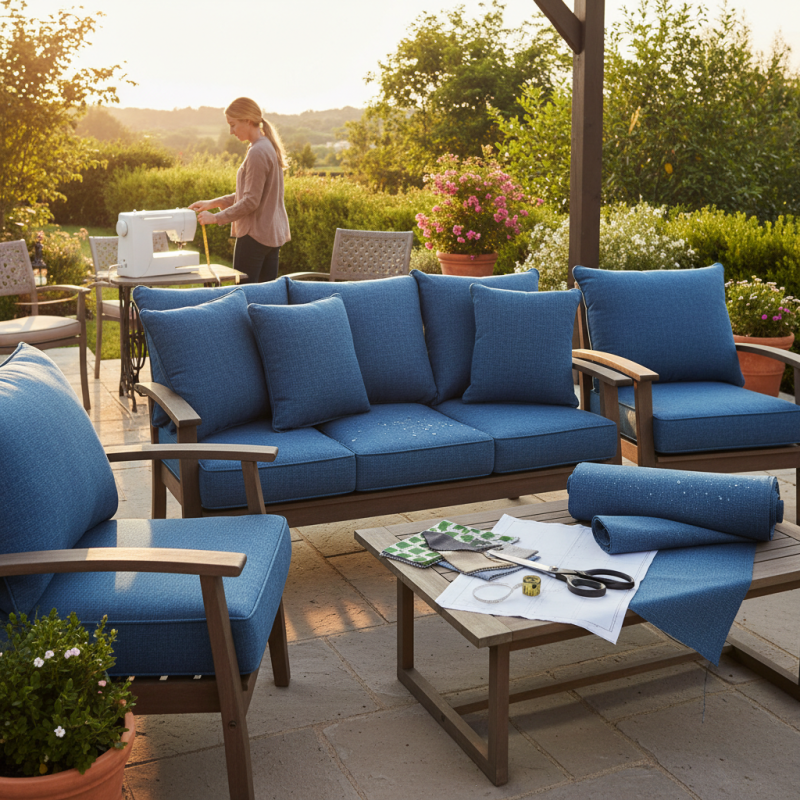
Choosing the Right Weather Resistant Fabric for Outdoor Cushions
Choosing the right weather-resistant fabric for outdoor cushions is essential for durability. Look for materials that can withstand UV rays and moisture. Solution-dyed fabrics often perform well in outdoor conditions. They resist fading and are less likely to mildew. Polypropylene and acrylic are popular choices. These fabrics are lightweight, yet strong, making them ideal for outdoor use.
Consider the texture and feel of the fabric too. Cushions are for relaxation, so choose something soft underfoot. Remember that not all weather-resistant fabrics are the same. Test samples if you can. You might find that some fade faster than others. Pay attention to the care instructions as well. Some fabrics require special cleaning methods to maintain their appearance over time.
Also, think about the color scheme. Dark colors may absorb more heat, while light colors can show stains more easily. Be mindful of your local climate. If you live in a rainy area, selecting water-resistant materials is crucial. Feel free to experiment with different combinations, but don’t rush the decision. Sometimes, taking extra time to choose can lead to a better outcome.
Measuring and Cutting Fabric for Outdoor Cushions
When creating outdoor cushions, measuring and cutting fabric accurately is crucial. Start by determining the dimensions of your cushions. Use a tape measure to get the correct width and length. Make sure to consider the thickness of the foam when measuring. It's easy to overlook this detail, leading to cushions that don't fit properly.
Once you have your measurements, lay the fabric flat on a clean surface. Use a fabric marker or chalk to mark cutting lines. Precision is key here because inaccuracies can waste fabric and time. Remember, it’s okay to measure twice and cut once. If you notice any mistakes in your measurements, take a moment to reassess them. On the other hand, cutting the fabric slightly larger allows for a margin of error.
Cut the fabric using sharp scissors or a rotary cutter for clean edges. It’s tempting to rush this step, but patience pays off. After cutting, inspect the edges. Any fraying can be fixed later, but a neat cut makes sewing much easier. Sometimes the fabric can shift, leading to uneven edges. Repeating the cutting process isn’t uncommon, but this can improve your overall result. Taking these careful steps ensures your outdoor cushions not only look great but also stand the test of time.
How to Make Outdoor Cushions with Weather Resistant Fabrics? - Measuring and Cutting Fabric for Outdoor Cushions
| Dimension |
Measurement (inches) |
Fabric Type |
Weather Resistance |
Cutting Technique |
| Seat Cushion |
24 x 24 |
Polyester Canvas |
Water-resistant |
Straight Cut |
| Back Cushion |
24 x 18 |
Sunbrella Fabric |
UV Resistant |
Curved Cut |
| Side Cushion |
16 x 16 |
Acrylic Fabric |
Mildew Resistant |
Bias Cut |
| Lumbar Cushion |
20 x 12 |
Waterproof Nylon |
Waterproof |
Straight Cut |
Sewing Techniques for Durable Outdoor Cushions
Creating outdoor cushions with weather-resistant fabrics requires attention to detail in sewing techniques. These cushions must endure the elements, so choosing the right fabric is crucial. Industry reports suggest that fabrics labeled as “solution-dyed” resist fading better than others. This type can maintain its color even under intense sunlight.
When sewing, use materials like nylon or polyester, which offer durability. A report by the Outdoor Industry Association notes that stitched seams are often weaker than welded seams when exposed to moisture. Therefore, using a high-quality waterproof thread can enhance the lifespan of your cushions. Adding double-stitched seams can also provide an extra layer of protection against wear and tear.
Consider incorporating zippers for easy cleaning and replacement. However, this adds complexity and might not seal as tightly against water. Insufficient sealing can lead to potential issues, such as moisture trap. Test your cushions regularly for wear and ensure that seams remain intact. This ongoing maintenance is vital for sustaining comfort and quality.
Adding Fillers and Finishing Touches for Comfort
When creating outdoor cushions, choosing the right fillers is crucial for comfort. According to recent industry reports, high-density foam is often recommended. This foam offers support and durability, making it a popular choice for outdoor use. It's essential to consider the foam's density. A density of 1.8 lbs per cubic foot is preferred for optimal comfort. However, sourcing quality foam can be a challenge. Many options are available, but not all are created equal.
In addition to foam, adding layers of protective padding can enhance comfort. Polyester fiberfill provides a soft touch. It also resists mold and mildew. For those seeking a budget-friendly solution, shredded foam can work well. This option offers adjustable support, but it may compress over time. Therefore, it's wise to monitor for any flattening.
Finishing touches are equally important. Using UV-resistant fabrics can prolong the life of the cushions. Webbing and ties can prevent slipping on furniture. Decorative elements like piping or buttons can add personality, yet they may require extra time and skill to install. Balancing style and practicality is essential. Consider testing different combinations to find what suits your outdoor space best. There’s always room for improvement in design and comfort.
Maintaining and Cleaning Weather Resistant Outdoor Cushions
Outdoor cushions can enhance the beauty of your patio. However, maintaining their appearance requires commitment. Weather-resistant fabrics are designed to withstand sun and moisture, but they are not entirely impervious to wear.
Regular cleaning is crucial. Use a soft brush or a damp cloth for simple dirt removal. For deeper stains, a mixture of mild soap and water often works effectively. Industry studies show that proper care can extend the life of outdoor cushions by at least 50%.
Tips: Always check the manufacturer’s instructions for specific cleaning guidelines. After cleaning, allow cushions to dry completely to prevent mold growth. Consider using a protective spray treatment tailored for outdoor fabrics.
Exposure to the elements can wear down even the best materials. Inspect your cushions each season for signs of fading or damage. Repair or replace sections when needed to maintain their appearance. Properly storing them during harsh weather can also prolong their life.
FAQS
: Use a tape measure for width and length, and account for foam thickness.
Reassess your measurements if you find mistakes. It's worth taking the time to do it right.
Lay the fabric flat and use a fabric marker or chalk for cutting lines. Precision matters.
Sharp scissors or a rotary cutter will give you clean edges. Don't rush this step.
Inspecting edges is crucial to prevent fraying and ensures easier sewing later on.
Look for durable materials like nylon or polyester that resist fading and moisture.
Use waterproof thread, and consider double-stitching seams for added strength.
Zippers allow for easy cleaning, but may not seal tightly against moisture.
Regularly test for wear and keep an eye on seams. Ongoing maintenance is essential.
Yes, cutting slightly larger allows for a margin of error, but measure carefully.
Conclusion
In the article "How to Make Outdoor Cushions with Weather Resistant Fabrics," readers are guided through the essential steps to create durable and stylish cushions for outdoor use. The process begins with choosing the right weather-resistant fabric, ensuring it can withstand the elements while providing comfort. Next, the article details how to accurately measure and cut the fabric, setting the stage for a well-fitting cushion.
Sewing techniques are then discussed, focusing on methods that enhance the durability of the cushions, followed by guidance on adding fillers for extra comfort. The finishing touches, including techniques for maintaining and cleaning the outdoor cushions, are also covered, ensuring they remain appealing and functional over time. This comprehensive approach equips readers with the knowledge they need on how to make outdoor cushions with weather-resistant fabrics, perfect for enhancing their outdoor spaces.

 Harbor Textiles