When exploring outdoor gear, understanding materials is crucial. For example, "what is polar fleece and how is it different from microfleece?" This question highlights two popular fabric choices. Both materials are synthetic, yet they serve different purposes and provide distinct benefits.
Polar fleece is warm and soft. It is often used in jackets, blankets, and hats. This fabric traps heat well, making it perfect for cold weather. On the other hand, microfleece is lighter and thinner. It offers good breathability and moisture-wicking properties. This makes microfleece ideal for layering or active use.
Choosing between these fabrics can be confusing. Users may want warmth or breathability depending on their activities. Understanding these differences helps in selecting the right garment. It is essential to consider personal needs and preferences. Each fabric has its strengths and weaknesses, which can influence comfort and functionality.
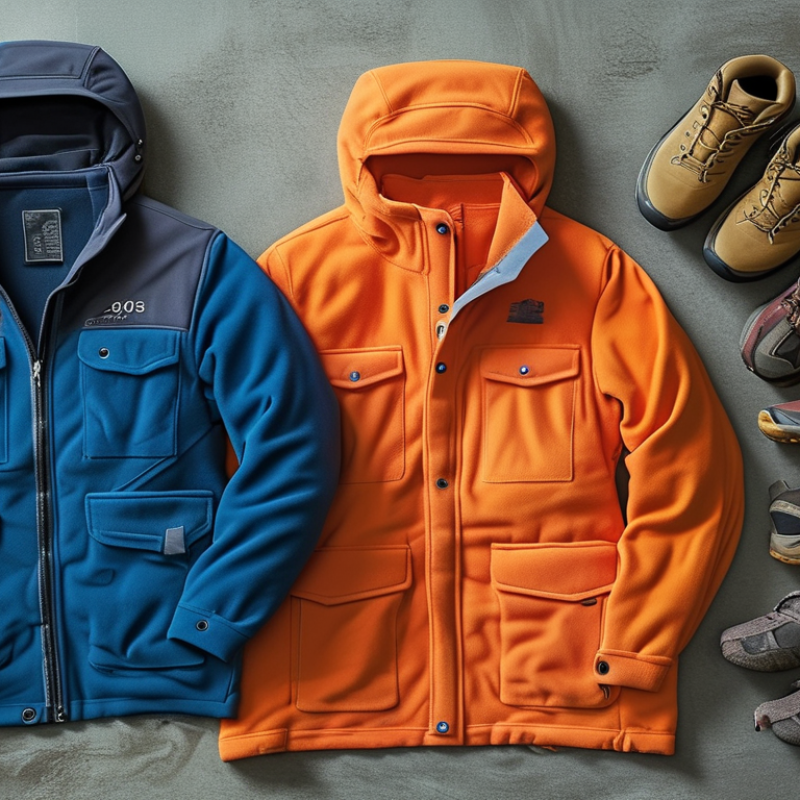
What is Polar Fleece and Its Historical Significance in Fabrics
Polar fleece has a rich history in the world of fabrics. Developed in the early 1970s, it was a revolutionary alternative to wool. The innovative design provided warmth without the bulk. This made it popular for outdoor enthusiasts and everyday wear alike. Soft and lightweight, it quickly became a staple in sports apparel.
The creation of polar fleece marked a significant shift in textile engineering. Its ability to wick moisture and retain heat changed how we view warmth. Traditional fabrics like wool were often itchy and heavy. In contrast, polar fleece offered comfort and versatility. Over time, manufacturers refined the technology, enhancing its properties. However, not all fleece products are created equal.
It's essential to consider the environmental impact of synthetic fabrics like polar fleece. While it has benefits, production involves significant energy use. Additionally, microfibers can shed during washing, potentially polluting waterways. This brings into question the sustainability of such materials. Understanding these complexities is vital as we navigate fabric choices today. The legacy of polar fleece reminds us to balance comfort with responsibility.
Understanding Microfleece: Properties and Common Uses
Microfleece is a popular fabric known for its lightweight properties and exceptional warmth. Composed primarily of polyester, microfleece is created through a unique process that involves weaving fibers tightly, resulting in a smooth texture. According to industry studies, microfleece can be up to five times warmer than cotton while remaining breathable. This makes it a go-to choice for outdoor activities and casual wear.
Common uses include jackets, blankets, and even bed linens. Its moisture-wicking capabilities make it ideal for athletic wear. The fabric not only keeps you warm but also manages sweat effectively. It’s worth noting that while microfleece offers many benefits, it can pill over time, creating an unappealing appearance.
Sustainability is another aspect to consider. Microfleece is often criticized for shedding microplastics into waterways during washing. A report from the Ocean Conservancy highlighted that microfibers account for about 35% of primary microplastics in oceans. Knowledge of these drawbacks can help consumers make informed choices about their fabric selections. Balancing comfort with sustainability remains a challenge in the fabric industry.
2026 What is Polar Fleece and How is it Different from Microfleece? - Understanding Microfleece: Properties and Common Uses
| Property |
Polar Fleece |
Microfleece |
| Material Composition |
100% Polyester |
100% Polyester |
| Thickness |
Thicker (about 200-300g/m²) |
Thinner (about 100-200g/m²) |
| Warmth |
Higher warmth retention |
Moderate warmth retention |
| Breathability |
Less breathable |
More breathable |
| Common Uses |
Jackets, blankets, outdoor gear |
Liners, lightweight apparel, layering |
Key Differences Between Polar Fleece and Microfleece
Polar fleece and microfleece are popular fabrics, especially in outdoor wear. They share similarities but have distinct features that make them suitable for different uses. Polar fleece is typically thicker and warmer, providing excellent insulation. It is soft to the touch and is often used in jackets, blankets, and sweaters.
Microfleece, on the other hand, is much lighter and thinner. Its fine fibers create a soft texture, making it ideal for layering. This fabric is breathable and dries quickly. It's popular for activewear, as it allows for greater mobility without sacrificing comfort.
When choosing between them, consider your specific needs. Polar fleece excels in warmth for cold weather. Microfleece works better for those who need flexibility and breathability. Not everyone may realize these differences at first glance. Choosing the right fabric can significantly affect your outdoor experience. Look for quality that suits your activities and climate.
Comparison of Properties: Polar Fleece vs Microfleece
This chart compares the properties of Polar Fleece and Microfleece across several dimensions such as warmth, weight, breathability, softness, and durability. Polar fleece is often warmer but heavier, while microfleece excels in breathability and softness.
Advantages and Disadvantages of Using Polar Fleece
Polar fleece is a popular fabric, known for its warmth and softness. It has several advantages. For starters, it's lightweight. This makes it easy to wear without feeling bulky. The material is also breathable. It allows moisture to escape, keeping you dry during activities.
On the downside, polar fleece can pill over time, reducing its aesthetic appeal. It's also less durable than other materials like wool or nylon. Users may find that it does not withstand wear as well, especially in outdoor settings. Washing it often can lead to a loss of its original softness, requiring careful maintenance.
While polar fleece offers comfort, it might not be the best choice for everyone. Some people prefer microfleece for its finer texture and reduced weight. Polar fleece traps more heat, which could be a disadvantage in milder conditions. Balancing warmth with breathability is essential when choosing the right fabric.
Environmental Impact of Polar Fleece and Microfleece Production
Polar fleece and microfleece are popular fabrics in the textile industry. However, their production processes significantly impact the environment. Both materials are primarily derived from polyester, which is a petroleum-based fiber. The extraction and refining of crude oil contribute to greenhouse gas emissions. A report from the International Textile Manufacturers Federation notes that polyester production generates nearly 3.8 kilograms of CO2 for every kilogram produced.
The manufacturing of these fabrics involves energy-intensive processes. The Energy and Resources Institute indicates that producing a polyester shirt can consume about 5.4 kWh of energy. This energy often comes from non-renewable sources. Furthermore, the shedding of microfibers during washing contributes to ocean pollution. According to the Ellen MacArthur Foundation, about 500,000 tons of microfibers enter the oceans annually, harming aquatic life.
While polar fleece offers warmth and durability, it poses environmental challenges. The reliance on fossil fuels is concerning. As consumers, we must reflect on these implications. Developing more sustainable alternatives could help mitigate these environmental issues. Each choice we make contributes to a larger impact. Exploring recycled polyester options may present a more viable path forward.
Conclusion
The article "What is Polar Fleece and How is it Different from Microfleece?" explores the characteristics and uses of these two popular fabrics. Polar fleece, known for its warmth and historical significance in outdoor clothing, is thicker and has a softer texture, making it ideal for cold weather gear. In contrast, microfleece is a lighter, more breathable option that is often used in layering apparel and casual wear.
The summary also highlights the key differences between the two materials, including their respective advantages and disadvantages. While polar fleece offers excellent insulation, microfleece is favored for its moisture-wicking properties. Additionally, the environmental impact of their production is discussed, as both fabrics are derived from synthetic materials, raising concerns about sustainability. Understanding the nuances of "what is polar fleece and how is it different from microfleece" can aid consumers in making informed choices for their fabric needs.

 Harbor Textiles