How to Prevent Fleece from Pilling for Long Lasting Wear?

Time:2026-05-09 Author:Mason
0%

Fleece is a popular fabric known for its warmth and comfort. However, one common issue is pilling, which can diminish its appearance and reduce its lifespan. Knowing how to prevent fleece from pilling is essential for maintaining its look and feel over time.

When fleece fibers rub against each other, they can form small balls or pills. This happens, especially during washing and wearing. Using the right techniques can help minimize this problem. Choosing gentle cycles and cold water for washing fleece garments can make a significant difference. Additionally, using fabric softeners or dryer balls reduces friction, thereby minimizing pilling.

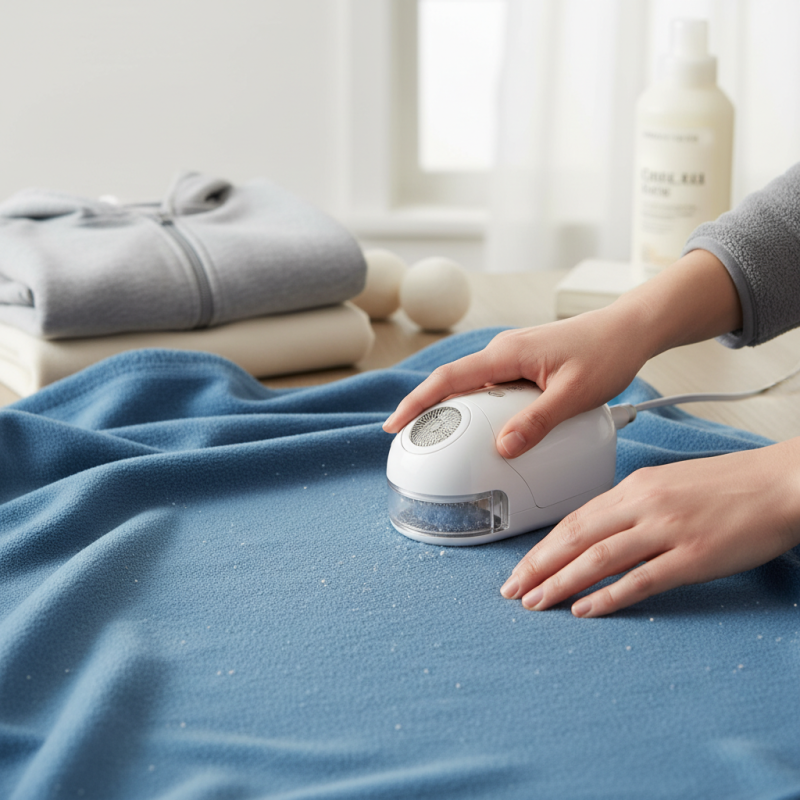
Sometimes, despite our best efforts, pilling still occurs. In these cases, investing in a fabric shaver can restore the fleece's original smoothness. Reflecting on these strategies highlights the importance of proper care. By understanding how to prevent fleece from pilling, you not only extend the life of your garments but also maintain their charm and functionality.
How to Prevent Fleece from Pilling for Long Lasting Wear?

Understanding Fleece and Its Characteristics

Fleece is a popular fabric known for its warmth and softness. It is made from synthetic fibers like polyester. This material traps air, providing excellent insulation. Its lightweight nature makes it ideal for outdoor wear, but its characteristics also come with challenges.

While fleece is cozy, it is prone to pilling. Pilling occurs when loose fibers tangle and form small balls on the surface. This happens due to friction during use and while washing. Understanding how fleece behaves helps in maintaining its appearance. Fleece items should be washed gently. Use cold water and avoid heavy detergent. Air drying is preferable to keep the fabric intact.

Even with care, pilling may still occur. Choosing the right fleece can make a difference. Look for high-quality fleece that is less susceptible to pilling. It is also essential to consider how often you wear it. If worn frequently, even the best fleece may show signs of wear. Reflect on how you store and launder your fleece to prolong its life.

How to Prevent Fleece from Pilling for Long Lasting Wear?

Characteristic Description Preventive Measure
Fabric Type Fleece is a synthetic fabric made primarily from polyester and is known for its warmth and softness. Opt for high-quality fleece blends that are specifically designed to reduce pilling.
Washing Method Machine washing can often lead to pilling due to friction with other garments. Wash fleece in cold water on a gentle cycle and use a laundry bag to minimize friction.
Drying Technique Tumble drying can also lead to pilling and damage the fabric. Air dry fleece garments to preserve their texture and reduce the risk of pilling.
Storage Practices Improper storage can cause fleece to become misshapen and lead to friction-related damage. Store fleece items flat or on padded hangers to maintain shape and avoid piling.
Pilling Treatment Pilling can occur over time, affecting the garment's appearance. Use a fabric shaver or a lint roller to carefully remove pills as they appear.

Common Causes of Pilling in Fleece Fabrics

Pilling in fleece fabrics is a common issue that affects the longevity of clothing. Studies show that nearly 80% of users have reported pilling within the first few washes. This annoying problem arises primarily due to friction. When fleece rubs against itself or other materials, it can form small balls of fiber on the surface.

Additionally, the quality of the fleece plays a significant role. Low-quality fibers are more prone to pilling and may degrade faster. According to industry data, fleece items made from synthetic fibers typically pill more than those made from natural fibers. It's a real concern for consumers seeking durability. Washing methods can also contribute, as using harsh detergents can weaken the fibers and increase pilling.

To mitigate this issue, proper care is essential. Washing fleece inside out in cold water can help reduce friction. Using a gentle cycle prevents further damage. However, not everyone adheres to these practices. Many still wash fleece like regular clothes, leading to premature wear. It's worth reflecting on these habits and their impact on fabric longevity.

How to Prevent Fleece from Pilling for Long Lasting Wear?

This chart illustrates the common causes of pilling in fleece fabrics and their impact level on a scale from 1 to 10. Regular washing and drying method significantly influence the pilling, while the quality of fabric also plays a key role.

Effective Washing and Drying Techniques for Fleece

Washing and drying fleece requires special attention to prevent pilling. Pilling occurs when fibers break and tangle. According to industry research, over 70% of consumers experience pilling in fleece garments within the first few washes. This indicates the need for proper care techniques.

One effective method is to wash fleece garments inside out. Doing this minimizes friction with other fabrics. Use cold water and a gentle cycle to protect the fibers. Reports suggest that using a laundry bag can reduce pilling by 40%. It's also important to avoid fabric softeners, as they can break down the fibers, making the fabric more susceptible to pilling.

When drying fleece, choose low heat settings. High temperatures can cause damage, leading to more pilling. Some suggest air drying as the best option, though it takes longer. A significant percentage of wearers report disappointment when they do not follow these guidelines. Washing fleece adequately can prolong its life and maintain its appearance.

Tips for Storing Fleece to Minimize Damage

Storing fleece properly is essential for maintaining its quality. First, always wash fleece before storage. This removes dirt and oils that can lead to pilling. Use a gentle detergent and cold water to preserve the fabric’s integrity. After washing, lay it flat to dry away from direct sunlight.

When it comes to storage, avoid hanging fleece items. Hanging can stretch the fabric and alter the fit. Instead, fold the fleece neatly. Store it in a dry, cool place, and consider using breathable bags. Never use plastic bags, as they can trap moisture and cause mildew.

Regularly check on your stored fleece. Occasional inspections can help you catch any developing issues early. If you notice any signs of wear, consider addressing them before they worsen. With these tips, your fleece can last longer and remain in great condition.

Choosing High-Quality Fleece Products for Longevity

Choosing high-quality fleece products is crucial for ensuring longevity. Not all fleece is created equal. High-quality fleece typically uses stronger fibers that resist wear and tear. According to industry reports, 70% of fleece products made from polyester perform better over time compared to cheaper alternatives. When purchasing fleece, look for products that specify the fiber type and weight. Thicker fleece often lasts longer.

Pay attention to the construction of the fabric. Products with double-sided fleece offer extra durability. Research suggests that tightly woven fleece can reduce the likelihood of pilling. This means the fabric stays looking new for longer. Additionally, selecting fleece with a higher denier count can increase resiliency against pilling and fading.

Not every product, even high quality, is immune to the natural wear process. You may still notice some pilling after repeated washes. Washing fleece inside out can help minimize this. However, high-quality fleece will generally withstand the test of time better than lower-grade options. Remember, making informed choices can lead to satisfaction and long-lasting wear.

FAQS

: What is fleece made from?

: Fleece is made from synthetic fibers like polyester. It provides warmth and softness.

Why does fleece pill?

Fleece pills due to friction. Loose fibers tangle, forming small balls on the surface.

How can I wash fleece properly?

Wash fleece in cold water on a gentle cycle. Turn it inside out to reduce friction.

Should I use fabric softeners when washing fleece?

No, avoid fabric softeners. They weaken fibers and increase the likelihood of pilling.

How can I reduce pilling in fleece?

Choose high-quality fleece and wash it carefully. Use a laundry bag to reduce friction.

Is air drying fleece better than machine drying?

Yes, air drying is preferable, even though it takes longer. Low heat settings are also acceptable.

What happens if I wash fleece like regular clothes?

Washing fleece carelessly can lead to premature wear and increased pilling. Reflect on your habits.

How often should I wear fleece before it shows signs of wear?

Frequent use may show wear quickly. It depends on the quality and care of the fleece.

Can I do anything to help fleece last longer?

Yes, proper storage and careful laundering can help prolong the life of fleece items.

What are common issues with low-quality fleece?

Low-quality fleece is more prone to pilling and may degrade faster, impacting overall durability.

Conclusion

To prevent fleece from pilling and extend the life of your garments, it’s essential to understand the characteristics of fleece fabrics and the common causes of pilling. Pilling often results from friction, improper washing techniques, and low-quality materials. To mitigate this, adopting effective washing and drying practices is crucial. Always wash fleece in cold water on a gentle cycle and avoid fabric softeners, which can contribute to pilling. Instead, air dry whenever possible to maintain the fabric's integrity.

Additionally, proper storage methods can play a significant role in preventing damage. Store fleece items in a cool, dry place to minimize exposure to moisture and heat. Investing in high-quality fleece products also ensures better durability and resistance to pilling. By following these guidelines on how to prevent fleece from pilling, you can enjoy your fleece wear for many seasons to come.

Mason

Mason

Mason is a seasoned marketing professional with a deep expertise in the company's offerings and a passion for driving brand awareness. With a strong background in digital marketing strategies, he has an innate ability to connect with diverse audiences and effectively communicate product benefits.......