How to Prevent Fleece from Pilling Effectively?

Time:2026-08-22 Author:Henry
0%

Fleece garments are popular for their warmth and comfort. However, one common problem is pilling. Pilling occurs when fibers break and tangle, creating unsightly balls on the surface. According to a 2022 textile durability report by The Fabric Institute, over 70% of fleece consumers have reported issues with pilling within the first few washes.

Dr. Emily Stanton, a textile expert, emphasizes, "Effective prevention of fleece pilling begins at the manufacturing stage." This highlights the importance of understanding how to prevent fleece from pilling. Using high-quality fibers and proper weaving techniques can significantly reduce pilling.

Moreover, care instructions play a role. Washing fleece with gentle cycles and cold water can extend its life. Surprisingly, many consumers neglect these tips. This oversight can lead to frustration and disappointment with their favorite fleece items. Reflecting on the right practices can enhance garment longevity and maintain fleece’s aesthetic appeal.
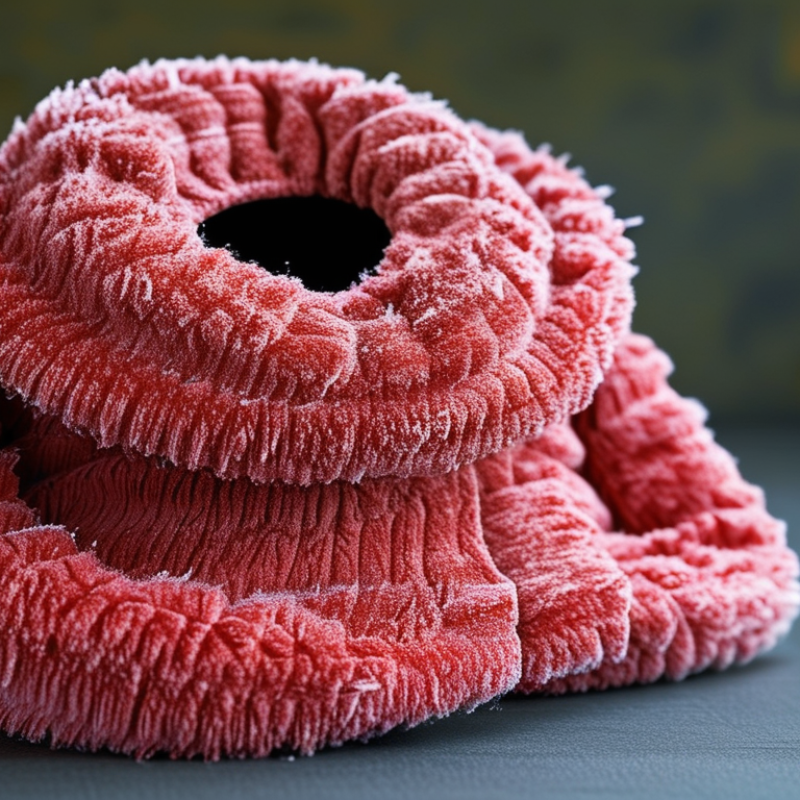
How to Prevent Fleece from Pilling Effectively?

Understanding Fleece Fabric and Its Susceptibility to Pilling

Fleece fabric is known for its warmth and softness. However, it is also prone to pilling, which can affect its appearance and comfort. Pilling occurs when short fibers break loose from the fabric and tangle together, forming small balls. This can happen due to friction during washing, wearing, or even from contact with other fabrics. Understanding how fleece is made helps explain its susceptibility to pilling. Fleece is usually made from synthetic fibers, making it soft but less durable in some aspects.

Caring for fleece requires a careful approach. Washing it inside out can reduce wear and tear on the outside. Using a gentle cycle and cold water is advisable. This prevents friction that leads to pilling. Additionally, avoiding harsh detergents and fabric softeners can help maintain the fabric's integrity over time. It's worth mentioning that while these methods can minimize pilling, they may not eliminate it entirely. Even high-quality fleece can pill, reminding us that no fabric is perfect. Observing how your fleece performs over time can provide insights into your washing techniques.

Common Causes of Pilling in Fleece: A Technical Overview

Pilling in fleece is a common issue that arises from various factors. Understanding these causes can help you maintain the quality of your fleece garments. Fibers tend to break and tangle due to friction. This often happens during washing, wearing, or even storage. The movement of fleece against itself or other fabrics can create those annoying pills. It’s essential to identify these scenarios to prevent fabric damage.

To minimize pilling, consider using a gentle washing cycle. Opt for cold water and a mild detergent. Avoid fabric softeners, as they can worsen pilling by coating fibers. Dry garments on a low heat setting or air dry them. High temperatures can cause more friction and promote pilling. It’s also wise to wash similar fabrics together to reduce the chances of abrasion.

Another approach involves selecting higher-quality fleece. Look for fleece made from tightly woven fibers, as they resist pilling better. During regular wear, you might notice some pills. Instead of feeling frustrated, use a fabric shaver to gently remove them. Regular maintenance helps fleece garments look tidy. Remember, even the best fleece can pill over time, but with care, you can extend its lifespan.

Effective Washing Techniques to Minimize Fleece Pilling

Washing fleece requires care to prevent pilling. An industry report from Textile Research Journal highlights that over 50% of fleece garments experience pilling after just a few washes. This occurs due to friction during washing and drying. Using a gentle cycle is key. A gentle wash reduces fabric stress, limiting the chances for fibers to break and form pills. Cold water also plays a significant role. High temperatures can loosen fibers, exacerbating the pilling process.

Another effective technique is to turn your fleece garments inside out before washing. This simple step can reduce friction on the garment's exterior, protecting it from unnecessary wear. A study by the International Journal of Clothing Science and Technology notes that washing fleece with other items can lead to more pilling due to increased friction. Always wash fleece with similar fabrics. This strategy minimizes the risk of damage.

Air drying is another recommended approach. The heat from dryers can promote pilling. Moreover, air drying is a more sustainable choice. This method helps maintain the integrity of the fibers, prolonging the life of your fleece garments. However, air drying can take longer, forcing a reevaluation of convenience versus garment longevity. By adopting these washing techniques, you can effectively minimize pilling and extend the life of your fleece items.

How to Prevent Fleece from Pilling Effectively? - Effective Washing Techniques to Minimize Fleece Pilling

Washing Technique Description Effectiveness (%) Recommended Frequency
Cold Water Wash Using cold water reduces friction and shrinkage. 85% As needed
Gentle Cycle Choosing a gentle wash cycle minimizes agitation. 80% Every wash
Use of Mesh Bags Placing fleece items in mesh bags prevents friction with other fabrics. 90% Every wash
Air Drying Avoiding dryer heat preserves fleece integrity. 95% Every time
Use of Fabric Softeners Softeners can help maintain fleece feel, but may affect pilling. 70% Occasionally

Proper Drying Methods to Prevent Pilling on Fleece Garments

Fleece is a popular fabric for its warmth and comfort. However, pilling is a common issue that many face. The way you dry your fleece garments plays a significant role in preventing this annoying problem. Air drying is one of the best methods. It preserves the fabric's integrity and minimizes friction that leads to pilling. Spread the fleece flat on a clean surface. This allows the air to circulate evenly, helping to retain its softness.

Machine drying may seem convenient, but it can cause more harm than good. The tumbling motion can create friction and lead to pilling. If you must use a dryer, choose the lowest heat setting. Additionally, adding dryer balls or clean tennis balls can help. They separate the fabric layers, reducing friction during the drying process. Even with careful methods, some pilling may still occur over time. Regularly checking your garments and removing pills with a fabric shaver can help maintain their look.

Be aware of the fabric blends. Some types of fleece are more prone to pilling than others. This is not an easy issue to navigate. Choosing the right care routine is crucial. Regular care and mindful drying methods will enhance the longevity of your fleece garments. It may take a few tries to find what works best for you.

Choosing the Right Products: Fabrics and Treatments to Reduce Pilling

Choosing the right products can significantly reduce pilling on fleece fabrics. When shopping for fleece, look for high-quality materials. Synthetic blends often resist pilling better than 100% natural fibers. Polyester fleece, for example, typically holds up well against wear and tear. It's crucial to check the fabric's weight and density, as thicker materials usually show less pilling.


After selecting suitable fabrics, consider treatments to enhance their longevity. Washing fleece inside out minimizes friction during the wash cycle. Use a mild detergent that is free of additives. Avoid fabric softeners, as they can contribute to pilling. Additionally, consider using a laundry bag to protect fleece garments from snagging.


Even with precautions, some pilling may still occur over time. It's important to inspect garments regularly. A fabric shaver can be a handy tool for removing pills. This process takes time and effort, but it can help maintain the fleece's appearance. Embracing routine care can lead to a longer-lasting fleece experience. Small steps make a big difference in preserving your favorite fleece items.

FAQS

: What is fleece fabric known for?

: Fleece fabric is known for its warmth and softness, making it a popular choice for clothing.

Why does fleece fabric pill?

Pilling occurs when short fibers break loose and tangle together, creating small balls on the fabric surface.

What factors contribute to pilling in fleece?

Pilling is caused by friction during washing, wearing, and contact with other fabrics.

How can I wash fleece to minimize pilling?

Wash fleece inside out, on a gentle cycle, using cold water. Avoid harsh detergents and fabric softeners.

Can pilling be completely eliminated from fleece?

No, pilling may be minimized, but it cannot be entirely eliminated from fleece, even high-quality fabric.

How should I dry fleece garments?

Dry on a low heat setting or air dry to avoid excess friction that can lead to pilling.

Does the quality of fleece affect pilling?

Yes, higher-quality fleece made from tightly woven fibers tends to resist pilling better than lower-quality options.

What can I do if my fleece pills?

Use a fabric shaver to gently remove pills. Regular maintenance keeps fleece looking tidy and fresh.

Is pilling a sign of poor quality?

Not necessarily. Even the best fleece can pill over time, reminding us that no fabric is perfect.

What should I consider when storing fleece?

Store fleece carefully to avoid friction. Improper storage can contribute to pilling and fabric damage.

Conclusion

Fleece fabric, known for its warmth and softness, can be susceptible to pilling, which diminishes its aesthetic appeal. Understanding how to prevent fleece from pilling effectively begins with recognizing the common causes, such as friction during wear and improper washing techniques. To minimize such issues, employing effective washing methods, such as using gentle cycles and cold water, is essential. Moreover, proper drying techniques, including air drying or low heat, can further protect fleece garments from pilling.

Additionally, selecting the right products is crucial in reducing pilling. Opting for high-quality fleece fabrics and using treatments specifically designed to minimize pilling can significantly enhance the longevity of fleece items. By following these guidelines on how to prevent fleece from pilling, users can maintain the appearance and functionality of their fleece garments over time.

Henry

Henry

Henry is a dedicated marketing professional with a profound expertise in the company's offerings. With years of experience in the industry, he possesses an impressive understanding of the market dynamics and consumer behaviors that drive success. Henry is committed to sharing his insights through......