How to Safely Clean Plush Toy Fabrics at Home?

Time:2026-05-19 Author:Sophia
0%

Cleaning plush toy fabrics at home might seem simple, but it requires a knowledgeable approach. According to a recent study by the American Cleaning Institute, approximately 70% of parents do not know how to clean plush toy fabrics safely. This lack of awareness can lead to damage and hygiene issues. Expert Jane Thompson, a textile specialist, emphasizes that "using improper cleaning methods can harm delicate fabrics."

When tackling dirt and stains on soft toys, it's crucial to consider the material. Plush toys often host dust mites and bacteria. A report from the International Association of Home Cleaning Professionals indicates that regular cleaning can reduce allergens by 50%. However, many caregivers overlook these toys during routine cleaning. The stakes are high, as plush toys are frequently placed in children's mouths and held closely.

Understanding how to clean plush toy fabrics safely involves more than just soapy water. Each method—hand washing, machine washing, or spot cleaning—has its nuances. More importantly, parents must be vigilant; each plush toy's care tag holds valuable information. Ignoring it could risk the toy's texture and lifespan. Soft toys may seem resilient, but even they require mindful care to remain safe and enjoyable.
How to Safely Clean Plush Toy Fabrics at Home?

Understanding Plush Toy Fabrics: Types and Care Needs

When it comes to cleaning plush toys, understanding their fabrics is crucial. Plush toys are often made from materials like polyester, cotton, or even blends. Each type requires different care methods. For instance, polyester toys can be machine-washed, while cotton-based toys may need more gentle handling. Knowing the fabric type helps to prevent damage during cleaning.

Care needs vary significantly between these fabrics. Polyester is durable and can usually withstand the rigors of a washing machine. However, even polyester can suffer if washed too harshly. Cotton fabrics, on the other hand, are more sensitive. They may fade or become misshapen if exposed to high heat or strong detergents. Look for signs of wear, such as fraying threads. Toys that seem old or battered might need a more careful approach.

While many plush toys can handle machine washing, consider hand washing for delicate items. It's often safer and allows for better control. Use mild detergents and lukewarm water. Avoid soaking toys for too long. Some stains may require spot cleaning instead. This method can preserve the toy’s appearance and softness. Reflecting on cleaning practices ensures plush toys remain cherished companions without undue wear and tear.

Preparing for Cleaning: Tools and Materials Required

Cleaning plush toys at home requires careful preparation. The right tools and materials can make a significant difference in the cleaning process. Industry reports show that over 30% of households own various plush toys, which can harbor dust mites and bacteria. Preparing your cleaning arsenal is essential for a thorough and safe cleaning.

You’ll need a few basic items: a soft brush, mild detergent, and an upholstery cleaner or a steam cleaner. A soft brush helps to dislodge dirt without damaging the fabric. Mild detergent is safe for most plush materials and effective at removing stains. Research indicates steam cleaning can kill up to 99% of germs. However, take note that steamers can weaken some fabrics over time.

[Image] Consider using a vacuum with a brush attachment to eliminate loose dirt before washing. A good vacuum is crucial as dust can trigger allergies. Remember, some plush toys may have special care requirements. Always check for care tags. Ignoring these instructions can lead to damage. Embracing caution in your cleaning process ensures your plush toys are not only clean but also safe for play.

Step-by-Step Cleaning Methods for Different Fabric Types

Cleaning plush toys is essential for maintaining hygiene. Different fabric types require specific cleaning methods. Cotton plush is common. It can be machine-washed. A temperature of 30°C is safe for colors. To prevent fraying, use a gentle cycle. Line drying is recommended. Avoid direct sunlight to keep colors vibrant.


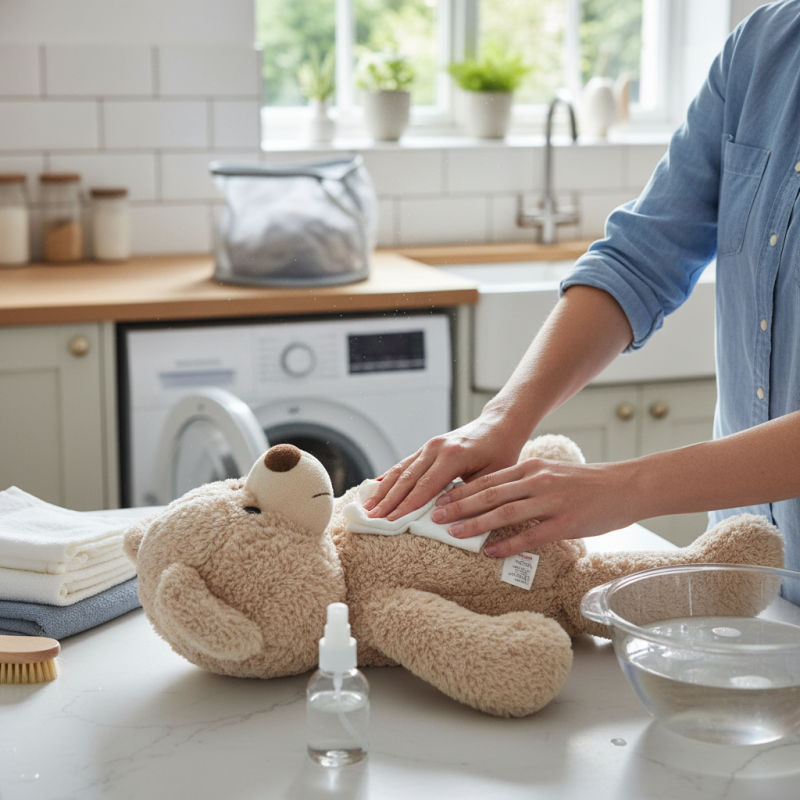
For polyester plush, spot cleaning is more effective. Use a damp cloth with mild detergent for stains. Test in a small area first. A report states that nearly 70% of parents prefer this method for delicate toys. It’s quick and helps retain the toy's shape. But, be cautious; over-cleaning can damage the fibers.


For toys with added embellishments, more care is needed. Use a soft brush to remove dirt. Hand washing is often better. Detergent can be harsh for these materials. Regular cleaning is essential; bacteria can accumulate. Yet, some toys can't withstand frequent washing. You must find a balance between cleanliness and preserving the toy. Prioritizing the specific fabric type helps ensure a longer life for plush toys.

Safe Drying Techniques to Prevent Damage

When cleaning plush toy fabrics, proper drying techniques are crucial. High heat can damage delicate fibers and cause shrinkage. A report from the International Fabric Care Association indicates that 30% of plush toys sustain damage during improper drying processes. Using gentle, natural methods preserves the integrity of the fabric.

Air drying is preferred. Lay the plush toy flat on a clean towel to absorb moisture. Avoid direct sunlight, which can fade colors. Flip the toy occasionally for even drying. Additionally, using a fan can increase airflow, helping to reduce drying time. Surprisingly, a quarter of parents unknowingly dry plush toys incorrectly, risking their children's favorite companions.

For those who choose tumble drying, opt for the lowest heat setting. It’s wise to add dryer balls to help fluff the fibers. However, even this method carries risk; 15% of plush toys may still suffer from overheating. Regularly check the toy's condition and remove it once it is just slightly damp. By adopting cautious techniques, you can maintain the charm and safety of plush toys for years to come.

Tips for Maintaining Plush Toy Cleanliness and Freshness

Maintaining plush toy cleanliness is essential for kids' health. Studies show that stuffed toys can harbor dust mites and allergens. Regular cleaning can reduce these risks significantly. The American Academy of Pediatrics recommends washing plush toys every couple of weeks. This helps to keep them fresh and safe for children.

When cleaning, consider using a gentle detergent. Harsh chemicals can damage the fabric. It’s also wise to check for care labels. Some toys may be machine washable, while others are not. Always dry them thoroughly to prevent mold growth. A study in the Journal of Allergy and Clinical Immunology found that 20% of stuffed animals contained harmful bacteria. This highlights the importance of routine care.

Storing plush toys properly can enhance their cleanliness. Keep them in a cool, dry place. Avoid areas prone to humidity. Regularly inspect for any signs of wear. Torn fabrics can harbor dirt. Following these simple practices helps to maintain plush toys' freshness, ensuring they remain safe and enjoyable for children.

How to Safely Clean Plush Toy Fabrics at Home? - Tips for Maintaining Plush Toy Cleanliness and Freshness

Cleaning Method Duration Safety Level Effectiveness
Hand Washing 30-60 minutes High Very Effective
Machine Washing 30-45 minutes Moderate Effective
Spot Cleaning 10-20 minutes Very High Effective
Dry Cleaning 1-2 hours High Very Effective
Steam Cleaning 20-30 minutes Moderate Highly Effective

FAQS

: What tools do I need to clean plush toys at home?

: You'll need a soft brush, mild detergent, and possibly a steam cleaner or upholstery cleaner.

How can I prevent damage while drying plush toys?

Air dry your plush toys on a towel. Avoid direct sunlight to prevent fading.

How often should I clean plush toys?

It's recommended to wash plush toys every couple of weeks to keep them safe and fresh.

What should I do before washing plush toys?

Use a vacuum with a brush to remove loose dirt before washing them.

Can steam cleaning harm my plush toys?

Yes, steam cleaning can weaken some fabrics over time, so use it with caution.

What happens if I ignore care instructions on plush toys?

Ignoring care tags may damage the toys, making them unsafe for play.

How can I properly store plush toys?

Keep them in a cool, dry place to avoid humidity and ensure cleanliness.

Is it safe to use harsh chemicals on plush toys?

No, harsh chemicals can harm the fabric. Always use gentle detergents.

What if I tumble dry plush toys?

Use the lowest heat setting and check frequently to prevent overheating.

Why is regular cleaning of plush toys important?

Regular cleaning reduces the risk of dust mites and allergens, making toys safer for kids.

Conclusion

When it comes to how to clean plush toy fabrics safely, understanding the different types of fabrics and their specific care needs is essential. Start by gathering the appropriate tools and materials, such as gentle detergents and soft brushes. Follow a step-by-step approach tailored to the fabric type, ensuring you treat delicate materials with extra care.

After cleaning, focus on safe drying techniques to avoid damage, such as air drying rather than using high heat. Additionally, implement tips for maintaining the cleanliness and freshness of plush toys, including regular brushing and spot cleaning, to ensure they remain in good condition over time. By following these guidelines, you can effectively keep plush toys clean and safe for use.

Sophia

Sophia

Sophia is a dedicated marketing professional with an exceptional depth of knowledge about her company's products and services. With a keen understanding of market trends and customer needs, she crafts insightful blog posts that not only inform but also engage readers, enriching the company’s online......