How to Sew Faux Fur for DIY Projects and Tips?

Time:2026-08-12 Author:Liam
0%

Creating cozy and stylish items from faux fur can be a rewarding experience. Learning how to sew faux fur for DIY projects opens up a world of possibilities. With the right techniques, you can transform a simple piece of fabric into a luxurious accessory or home decor.

Faux fur can be tricky to work with. Its texture and thickness may cause challenges, especially for beginners. However, with patience and practice, you will find yourself mastering this skill. Proper tools, like a walking foot and sharp needles, can greatly improve your results. Don't hesitate to experiment with different types of faux fur. Each one behaves differently, which can lead to surprises in your finished project.

It's essential to embrace the learning process. Mistakes are natural, and they offer valuable lessons. If a seam doesn’t align perfectly, reflect on what went wrong and adjust your technique. This pursuit will not only enhance your sewing skills but also boost your creativity. Dive into the world of faux fur, and you may discover your unique style along the way.
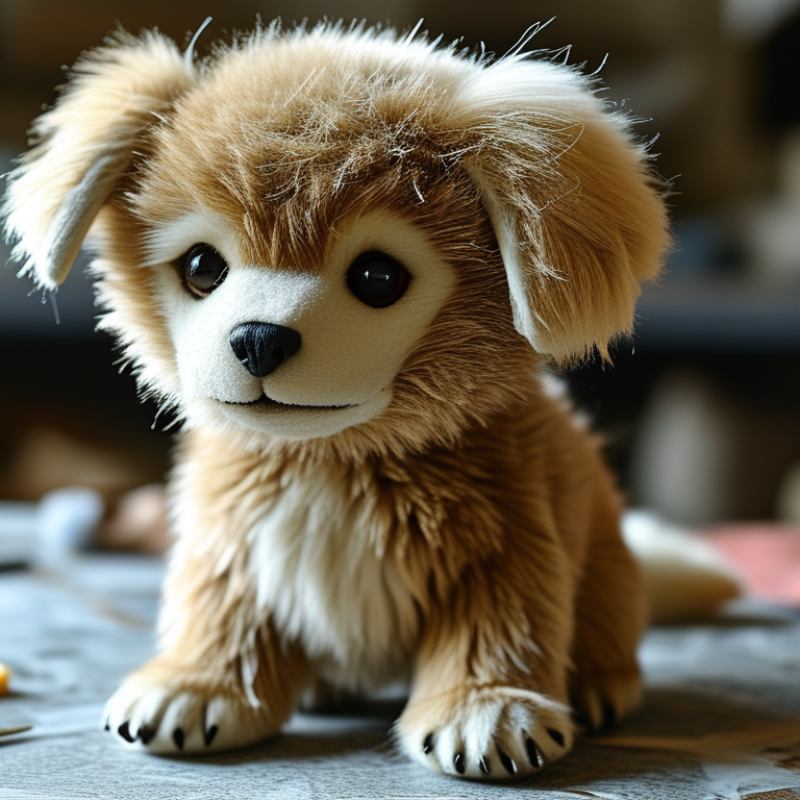
How to Sew Faux Fur for DIY Projects and Tips?

Selecting the Right Faux Fur Fabric for Your Project

Selecting the right faux fur fabric is crucial for your DIY projects. With an increasing demand for sustainable options, the global faux fur market is estimated to reach $700 million by 2025, according to industry reports. This growth reflects consumers' preference for cruelty-free materials without sacrificing style. Understanding fabric types can greatly impact your project outcomes.

There are various faux fur options available, such as long-haired, short-haired, and plush varieties. For example, long-haired faux fur adds luxurious texture but can be challenging to sew. Short-haired options are often easier to work with and provide a sleek finish. Always check the fabric weight, as heavier grades can require more robust sewing techniques.

Tips: Look for fabrics with a good drape. Test swatches before making a purchase. Also, consider the pile direction for sewing consistency. Some fabrics may shed during cutting, leading to a mess. Always trim excess fur slowly. A little patience goes a long way in achieving a polished result. Selecting a quality faux fur is an investment that pays off in the final look of your project.

Essential Tools Needed for Sewing Faux Fur

Sewing faux fur can be a rewarding experience. To get started, you need the right tools. First, a sharp pair of fabric scissors is essential. Faux fur can easily become matted, so dull scissors will only make things harder. A rotary cutter can also be useful for precision cuts.

Next, a heavy-duty sewing machine is vital. Some standard machines struggle with thick fabrics like faux fur. You want a machine that can handle layers without skipping stitches. Don't forget to use a walking foot. This will help move the fabric smoothly through the machine.

Additionally, a good set of pins and clips is necessary. Traditional pins can leave marks on faux fur, so using fabric clips helps avoid this issue. Always test your stitch on a scrap piece first. Faux fur can have unexpected results, and being prepared is crucial. Remember, even experienced sewists make mistakes. Embrace the process, and don’t be afraid to learn from any mishaps.

Step-by-Step Guide to Cutting Faux Fur Properly

Cutting faux fur requires precision and care. Start by laying your faux fur flat on a cutting surface. Make sure the pile is facing down. This helps you get a clean cut without damaging the fur fibers. Use sharp scissors or a rotary cutter for the best results. A dull blade can lead to uneven edges.

When cutting, it's essential to avoid cutting through the backing of the fabric. This could ruin the texture and overall appearance of your project. Instead, cut only the fur fibers, while keeping the base intact. Marking with chalk can help in creating smooth lines.

Tips: Always test your cutting method on a scrap piece of faux fur beforehand. This can save you from mistakes on your main project. If you find it difficult to control the cut, take a break. Rushing can lead to uneven cuts. Remember, practice makes perfect. With time, your skills will improve, and you’ll become more confident in your faux fur projects.

Faux Fur Cutting Techniques and Tools Efficiency

Techniques for Sewing Faux Fur Seamlessly

Sewing faux fur can be a delightful yet challenging task. The material’s texture and bulk require specific techniques. To start, always use a walking foot or a Teflon foot. This ensures the fabric layers move smoothly under your sewing machine. Faux fur tends to slide, which can lead to uneven seams. Industry reports indicate that about 30% of sewing enthusiasts struggle with seam alignment when working with bulkier fabrics like faux fur.

When cutting faux fur, practice caution. Cut with the fur side down to avoid cutting the delicate fibers. This technique helps maintain the pile’s appearance and prevents shedding. An industry survey found that nearly 40% of sewers reported issues with shedding when they mishandled their faux fur. This can affect the final look of your project. Additionally, don’t forget to use a longer stitch length. A 3 mm stitch length minimizes the risk of the fur getting caught in the seam, which can lead to a messy finish.

Adding lining can improve the quality of your project. It hides raw edges and provides extra structure. However, be mindful that sewing through multiple layers can be cumbersome. Many creators have experienced challenges with uneven seam allowances when adding linings. This is a common hurdle and requires patience and practice. Keep these tips in mind for a smoother sewing experience.

Finishing Touches and Care Tips for Faux Fur Items

When working with faux fur, the finishing touches make a crucial difference. After sewing your pieces together, consider trimming any uneven edges. Use sharp scissors to ensure clean cuts. This attention to detail elevates your project and gives it a polished look. If you notice the seams are bulky, try grading them. This means trimming the seam allowance to reduce bulk, allowing for smoother lines.

Caring for faux fur items requires specific techniques. Hand washing is often recommended to maintain the fabric’s integrity. Use cold water and a mild detergent. Avoid wringing it out; instead, gently squeeze out the water. Air drying is essential. Lay the item flat on a clean towel away from direct sunlight. This helps the fabric retain its softness and shape.

Despite these tips, achieving the perfect finish can be challenging. You may find areas that need more attention. An inconsistent texture or loose threads may appear, reminding you that practice makes perfect. Keep experimenting and refining your technique. Each project teaches valuable lessons, allowing you to improve with every stitch.

FAQS

: What tools do I need to sew faux fur?

: You need sharp fabric scissors and a heavy-duty sewing machine. A walking foot, pins, and clips are also helpful.

How should I cut faux fur?

Lay the fur flat with the pile down. Use sharp scissors or a rotary cutter. Avoid cutting the backing.

Why are sharp tools important when working with faux fur?

Dull tools can lead to matted fibers and uneven cuts. Sharp scissors provide clean edges and better control.

How can I create smooth cuts on faux fur?

Mark with chalk before cutting. Test your method on scrap pieces. Take breaks to avoid rushed, uneven cuts.

What are some finishing touches to consider for faux fur?

Trim uneven edges with sharp scissors and grade bulky seams for smoother lines. Attention to detail is key.

How should I care for faux fur items?

Hand wash in cold water with mild detergent. Air dry flat away from sunlight to maintain softness and shape.

Why is practicing important when working with faux fur?

Each project will have challenges. Mistakes provide learning opportunities. Continuous practice refines your skills and builds confidence.

What should I do if I make mistakes while sewing?

Mistakes happen, even for experienced sewists. Embrace them and learn from what went wrong. Reflect on improving techniques.

Conclusion

This article provides a comprehensive guide on how to sew faux fur for DIY projects, offering essential insights for crafters looking to create unique items. It begins by discussing how to select the right faux fur fabric, emphasizing the importance of texture and weight in achieving the desired outcome. Essential tools for sewing faux fur are highlighted, ensuring that readers are well-equipped to tackle their projects.

The article proceeds with a step-by-step guide on cutting faux fur properly, a crucial technique that prevents shedding and maintains a polished finish. It also covers techniques for sewing faux fur seamlessly, sharing tips to avoid common pitfalls. Finally, practical advice on finishing touches and care tips for faux fur items ensures that your creations remain stunning and durable. This complete overview is ideal for anyone eager to learn how to sew faux fur for DIY projects.

Liam

Liam

Liam is a dedicated marketing professional with a profound expertise in the industry, where he excels at highlighting the unique advantages of our core products. With a keen understanding of market trends and consumer needs, Liam frequently updates our company’s professional blog, providing......