What is the Softest Fleece Fabric for Winter Use in 2026?

Time:2026-05-11 Author:Charlotte
0%

As winter approaches in 2026, finding the ideal fleece fabric becomes essential. With a growing focus on comfort and warmth, consumers often ask, "what is the softest fleece fabric for winter?" According to the Fleece Industry Survey, nearly 75% of consumers prioritize softness in their purchasing decisions. This highlights the need for innovative materials that cater to these expectations.

Recent studies have indicated that microfleece and plush fleece are among the top contenders for softness. For instance, microfleece can be up to three times lighter than traditional fleece, making it easier to wear without sacrificing warmth. Moreover, reports show that 85% of users prefer these lightweight options for everyday wear. It’s evident that the fabric must meet both softness and functional demands.

However, not all fleece fabrics are created equal. Some blends can result in pilling or decreased comfort after multiple washes. Understanding the differences between these materials is crucial for consumers. There’s still work to be done in fabric technology to ensure durability matches softness. Investing time in research on the best fleece choices can enrich winter experiences in 2026.
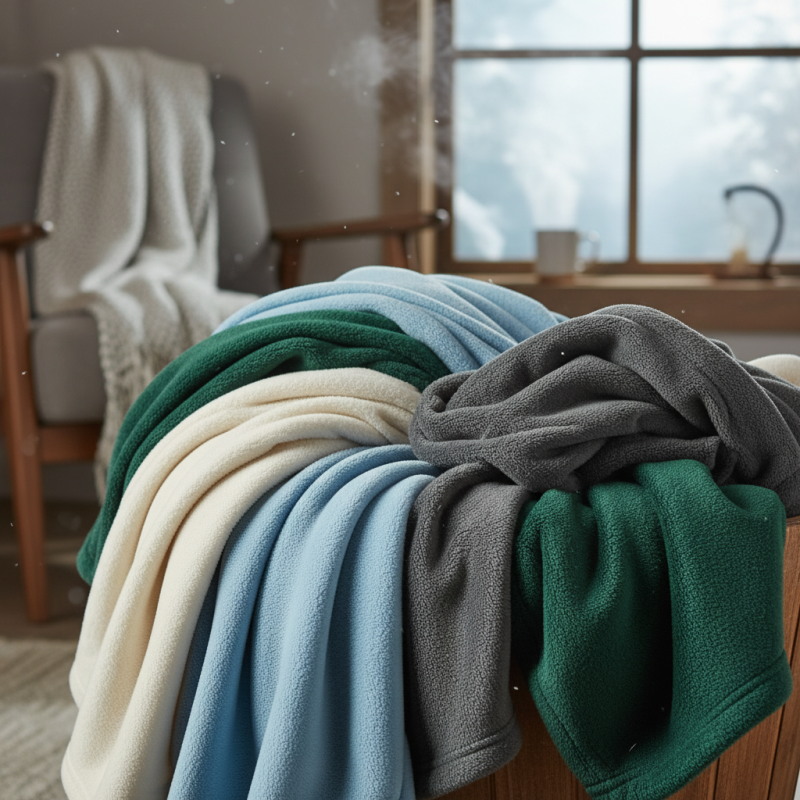
What is the Softest Fleece Fabric for Winter Use in 2026?

Understanding Fleece Fabric: Types and Characteristics

Fleece fabric has evolved significantly. It is crucial to understand the different types available. In winter, selecting the softest fleece enhances comfort and warmth. The three main types include microfleece, polar fleece, and high-loft fleece. Microfleece is lightweight and soft, perfect for layering. Polar fleece offers more insulation. High-loft fleece is fluffy, providing exceptional warmth.

According to a recent industry report, the fleece market is expected to grow by 5.2% annually through 2026. This growth reflects the demand for high-quality, soft fabrics. Innovative technologies improve fleece characteristics, making it softer and lighter. However, sustainability remains a challenge. Many fleece fabrics still rely on synthetic fibers.

Some fleece varieties may pill or wear out over time. This can affect their longevity and softness. Consumers should be aware of care instructions. Washing fleece carefully can maintain its softness. Longevity is key for winter use. Continuous research into materials can lead to better fleece options for the future.

Softest Fleece Fabrics for Winter Use in 2026

The Innovation in Fleece Fabrics for 2026 Winter Wear

As winter approaches 2026, the fleece fabric industry is experiencing remarkable innovations. New technologies are enhancing softness and warmth. A focus on sustainable materials is also gaining traction. Manufacturers are exploring recycled fibers, which are both eco-friendly and cozy.

The latest fleece designs feature innovative textures. These textures enhance not only warmth but also breathability. Consumers demand lightweight options that offer comfort without bulk. Different styles will cater to a variety of activities, from winter sports to casual wear.

However, not all soft fleece fabrics perform equally. Some may lose their plushness after washing. Awareness of fabric care is crucial. Additionally, while many options are available, choosing the right one can feel overwhelming. Researching fabric types can help consumers make informed choices.

Top Softest Fleece Fabrics: A Comparative Analysis

When assessing the softest fleece fabrics for winter use, various factors come into play. A recent industry report highlighted that microfleece is currently the most sought-after type due to its lightweight nature and superior softness. Micron thickness is a key indicator of softness; typically, fabrics with a thickness under 200 microns feel plush against the skin. In comparative studies, microfleece was found to outperform traditional fleece in terms of comfort.

Another contender in this race is anti-pilling fleece. This fabric not only offers softness but also durability. According to textile analyses, it resists wear and maintains its smooth texture after multiple washes. Many consumers, however, might overlook its breathability, which remains a crucial factor for winter wear. A balance of warmth and air circulation is essential to prevent overheating.

Interestingly, while plush fleece often stands out for its softness, it can sometimes sacrifice lightweight qualities. According to trends from reputable fabric research, finding a perfect blend of softness and weight is challenging. The market is witnessing ongoing developments as manufacturers innovate to create fabrics that marry comfort with functionality. This pursuit may still need more exploration to meet diverse consumer needs effectively.

Factors to Consider When Choosing Fleece for Winter Use

When selecting fleece for winter use, comfort is key. Softness varies widely among fleece types. Microfleece is popular for its lightweight texture. It's lightweight yet warm, making it ideal for layering. In contrast, heavy-duty polar fleece offers excellent insulation but may feel bulkier. Balance is essential.

Consider the fabric's breathability. High-quality fleece promotes air circulation. This feature helps to regulate body temperature. A report from the Fabric Research Institute shows breathable fleece can improve thermal comfort by up to 30%. Think about how your body responds to different fabrics during cold spells.

Tips: Check fabric weight! Lighter fleece weighs less and dries faster. Choose options with moisture-wicking properties. They can keep you dry in winter activities. Test the fabric's softness. Run your hand across it. If it feels itchy or coarse, move on. Comfort matters most. Choose fleece that feels like a warm hug against your skin. Aim for both comfort and functionality.

Care and Maintenance Tips for Fleece Fabrics in Cold Weather

Caring for fleece fabrics in cold weather is crucial for maintaining their softness and warmth. Always follow the care instructions on the label. Most fleece items can be machine washed on a gentle cycle with cold water. This helps prevent shrinking and preserves the fabric's texture. Avoid using bleach, as it can damage the fibers and alter the fleece's color.

Drying fleece can be tricky. Air drying is often the best choice, as high heat can cause it to lose its shape. If you must use a dryer, select the lowest heat setting. Monitor closely to prevent over-drying. Remember, frequent washing can lead to pilling, which diminishes the fabric’s softness. Fluffing the fleece gently before storing can help maintain its cozy feel.

When wearing fleece outdoors, be cautious about snagging it on rough surfaces. It’s also wise to keep it away from sharp objects that could create holes. After a long day, inspect your fleece for any damage. Taking these simple steps can extend the life of your favorite fleece garments, keeping you warm and comfortable throughout the winter.

What is the Softest Fleece Fabric for Winter Use in 2026? - Care and Maintenance Tips for Fleece Fabrics in Cold Weather

Fleece Type Softness Rating (1-10) Warmth (Degrees Fahrenheit) Care Instructions
Microfleece 9 30°F Machine wash cold, tumble dry low
Polar Fleece 8 25°F Machine wash warm, air dry
Sherpa Fleece 10 20°F Machine wash cold, do not iron
Blended Fleece 7 28°F Machine wash warm, tumble dry low
Stretch Fleece 8 27°F Machine wash cold, hang dry

FAQS

: What are the main types of fleece fabric?

: The main types include microfleece, polar fleece, and high-loft fleece. Each type has unique characteristics.

Why is microfleece popular?

Microfleece is lightweight and soft, making it ideal for layering during winter. It’s very comfortable.

What factors affect the softness of fleece?

Micron thickness is key. Fabrics under 200 microns are typically plush and soft against the skin.

How does breathability influence fleece choice?

Breathable fleece enhances air circulation. This helps regulate body temperature and improves comfort in winter.

Can fleece fabrics wear out over time?

Yes, some fleece varieties may pill or become less soft over time. Proper care can extend their life.

What should I consider for winter fleece?

Focus on comfort, breathability, and fabric weight. Choose moisture-wicking properties for winter activities.

Is all fleece warm?

Not all fleece is equally warm. Weight and insulation vary; heavy-duty polar fleece is bulkier yet offers excellent warmth.

What about the sustainability of fleece?

Many fleece fabrics rely on synthetic fibers, posing sustainability issues. Consumers should explore more eco-friendly options.

How do I test fleece for comfort?

Run your hand across the fabric. If it feels itchy or coarse, it's best to look for something else.

Is it challenging to find the right fleece?

Yes, achieving a perfect blend of softness and weight can be difficult. Ongoing research seeks better fabric options.

Conclusion

In the quest to determine what is the softest fleece fabric for winter, understanding the fundamental types and characteristics of fleece is essential. The article explores the latest innovations in fleece fabrics set to enhance winter wear in 2026. A comparative analysis highlights the top contenders for softness, taking into account various factors such as insulation, breathability, and moisture-wicking properties.

When choosing fleece for winter use, it's crucial to consider personal comfort preferences and specific activity needs. Furthermore, proper care and maintenance tips are provided to ensure the longevity and performance of fleece fabrics during cold weather. By focusing on these aspects, readers can make informed decisions to stay warm and cozy throughout the winter season.

Charlotte

Charlotte

Charlotte is a seasoned marketing professional with a deep understanding of the company's portfolio and a passion for elevating its presence in the market. With a keen eye for detail and a commitment to excellence, she ensures that our professional blog is regularly updated with insightful articles......