In today's fashion industry, understanding how to identify high-quality faux fur is crucial for any business aspiring to stand out. Faux fur offers many advantages, including a cruelty-free alternative to real fur. However, with varying qualities available, it can be challenging to make the right choice. This article provides essential tips that will help you distinguish premium faux fur from low-quality alternatives.
Quality faux fur should feel soft and plush, resembling the texture of real fur. Look for even, dense fibers that maintain their shape and do not shed excessively. An essential factor to consider is the backing material, which can indicate durability. High-quality faux fur tends to have a more stable, sturdy backing that withstands wear and tear better.
Additionally, examining the overall luster of the fabric can reveal its authenticity. Quality faux fur has a natural sheen, while inferior versions may look flat. Cultivating the knowledge of these details is key to successful sourcing. Your ability to make informed choices can significantly impact your brand reputation and customer satisfaction.
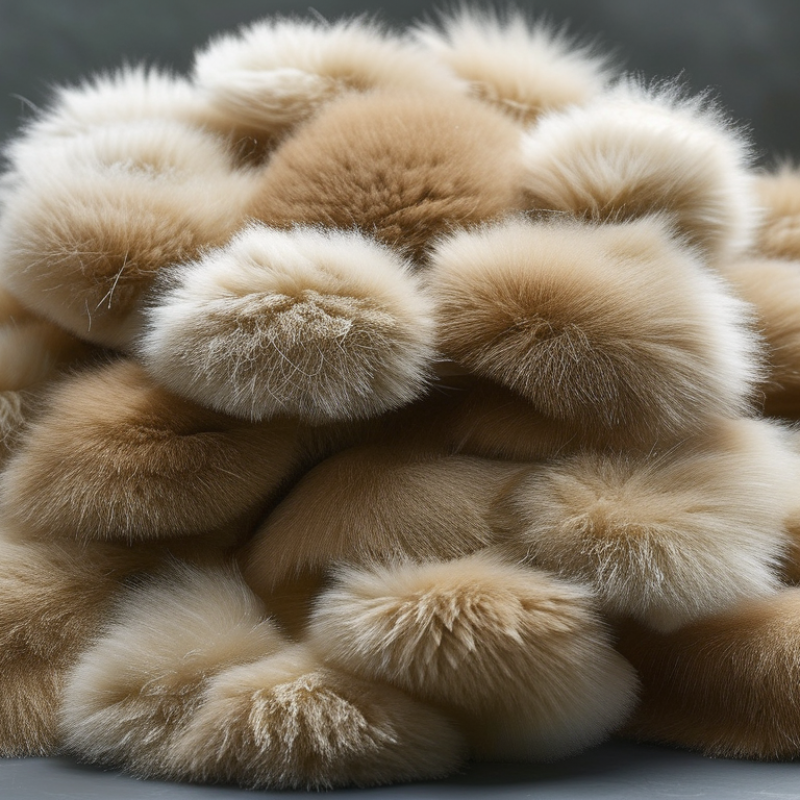
Faux fur has gained popularity for its versatility and ethical appeal. Understanding the different types of faux fur is essential for business success. Synthetic materials like acrylic and polyester make up common options. Each type varies in softness, luster, and durability. High-quality faux fur often mimics the look and feel of real fur. However, not all faux fur is created equal.
When evaluating faux fur, texture is a critical indicator. Premium faux fur feels plush and luxurious. Cheaper alternatives may feel coarse or plastic-like. The density of the fibers can also signal quality. Thick, dense faux fur stands up better to wear and tear. Examine the backing as well; quality faux fur will have a sturdy, consistent backing.
Color consistency matters too. High-quality faux fur displays even coloring without blotches. A sheen that looks natural adds to the overall aesthetic. Be wary of overly shiny surfaces, as they may signal inferior materials. Collect samples to gauge appearance and texture under various lighting conditions. This attention to detail can help you make informed purchasing decisions.
When inspecting faux fur, texture and density are crucial indicators of quality. A high-quality faux fur should have a soft, plush feel. Gently running your fingers through the fibers can reveal their true nature. If they feel synthetic or stiff, that’s a red flag. Look for a dense pile, as thin or sparse fur often indicates lower quality.
Visual inspection is essential. Examine how the light interacts with the fur. Quality faux fur has a natural sheen, while inferior products may appear dull. The fibers should have an even distribution, creating a uniform look. Pay attention to the backing; it should feel durable and tightly woven. Loose or flimsy backing suggests compromise on quality.
Sometimes, the appearance might not match performance. Certain faux furs look rich but can shed or mat over time. Always think about longevity when choosing materials. Take a moment to reflect: does the faux fur you’re considering align with your brand's standards? Invest time in evaluating these details for a lasting impact.
When it comes to faux fur, ethical sourcing is paramount. Look for suppliers who verify their materials through certifications. Certifications can ensure that the materials are not only high quality but also sustainably sourced. This adds integrity to your brand. Quality faux fur should give a plush feel while being environmentally conscious.
Consider the raw materials used in the production process. Many faux furs contain synthetic fibers that can harm the environment. Opt for eco-friendly alternatives made from recycled PET or organic resources. These materials minimize waste and reduce environmental impact. Engaging with suppliers on their environmental practices can sometimes expose gaps in transparency.
Investigate production methods as well. Some manufacturers prioritize eco-friendly approaches, while others may not be upfront about their processes. Reflect on these realities. Ensure your choices align with your brand values. It makes a difference in a market growing more aware of sustainability issues. This commitment can enhance your brand's reputation and attract conscientious consumers.
When assessing the durability of faux fur, cut and sew techniques play a crucial role. The way materials are cut can impact the fur’s longevity. For example, clean cuts that minimize fraying will lead to better results. A jagged edge may result in a rough finish, making the product less appealing. Attention to detail during this process ensures the faux fur retains its plush appearance over time.
The sewing method also greatly influences durability. Double-stitched seams tend to withstand wear and tear better than single stitches. This can be particularly important for products subjected to frequent handling. Similarly, using a strong, flexible thread can enhance overall resilience. However, it’s easy to overlook these details in the rush of production. Skipping quality checks on stitching can lead to costly mistakes later on.
Investing in solid cut and sew techniques is essential for businesses focused on high-quality faux fur. A small error in the manufacturing process can compromise the final product. Maintaining a commitment to quality in every aspect fosters trust with customers. Thus, careful evaluation of these techniques is not just beneficial - it's critical.
When selecting high-quality faux fur, evaluating colorfastness is crucial. This property indicates how well the fabric retains its color after exposure to washing or sunlight. According to the Textile Institute, a significant number of lower-grade faux furs may exhibit fading after just a few washes. This can lead to unsatisfied customers and potential loss of repeat business. By ensuring the fabric meets industry standards, you can provide a more reliable product.
Washing instructions are equally important. Many faux furs can require delicate care, like hand washing or cold setting. The American Association of Textile Chemists and Colorists emphasizes that proper care can extend the life of faux fur. Fabrics not designed for machine wash might deteriorate quickly, losing both texture and appearance. It’s critical to match these care guidelines with your customers’ lifestyles to avoid returns and complaints.
In the quest for quality, imperfections can exist. Some faux furs may not maintain their initial luster after washing. Consumers could find inconsistent softness even in reputable products. It’s essential to acknowledge these flaws while communicating clearly to your clientele about care procedures. This transparency fosters trust and can differentiate your business in a competitive market.
: Common types include acrylic and polyester. Each varies in softness and durability.
High-quality faux fur feels soft and plush. It often mimics real fur well.
Texture indicates quality. A soft, plush feel shows better craftsmanship than coarse or plastic-like alternatives.
The backing should feel sturdy and tightly woven. Flimsy backing suggests lower quality.
Look for even coloring without blotches. A natural sheen adds to the aesthetic.
Many synthetic fibers can harm the environment. Eco-friendly alternatives exist, like recycled PET.
Ethical sourcing assures high-quality, sustainable materials. It adds integrity to your brand's image.
Some low-quality faux furs may shed or mat. Quality matters for longevity.
Yes, some prioritize eco-friendly methods while others may not disclose their practices.
Yes, engaging with suppliers can reveal gaps in transparency. It’s essential for informed decisions.
When exploring how to identify high-quality faux fur for your business, it's essential to understand the various types and quality indicators associated with this material. Begin with a visual inspection to recognize the texture and density of the faux fur, as these factors significantly impact its overall appearance and feel. Additionally, checking for ethical sourcing and eco-friendly materials is crucial, reflecting a commitment to sustainability and responsible business practices.
Next, assess the durability of the faux fur through examining cut and sew techniques, which will influence its longevity and wear. Lastly, evaluating colorfastness and washing instructions is vital for proper care, ensuring that the faux fur maintains its vividness and integrity over time. By following these guidelines, you can confidently select high-quality faux fur that meets both aesthetic and ethical standards for your business.

Harbor Textiles