When it comes to faux fur, many people ask, "what is the difference between short and long pile faux fur?" Understanding this difference can transform your choices in fashion, home decor, and accessories. Faux fur is crafted to mimic real fur, and the pile length plays a significant role in how it looks and feels.
Short pile faux fur has fibers that are densely packed and typically less than an inch long. This makes it quite practical and easy to maintain, ideal for garments like jackets or linings. Long pile faux fur, on the other hand, boasts longer fibers that create a luxurious, fluffy appearance. These options are perfect for decorative throws or plush toys.
However, choosing between them isn’t straightforward. Short pile may give a sleek look, but lacks the warmth and softness of long pile. Long pile fur can be inviting but often requires more upkeep. Reflecting on these factors can help you make informed decisions that fit both your aesthetic and lifestyle. Understanding faux fur is not just about style; it’s about practicality too.
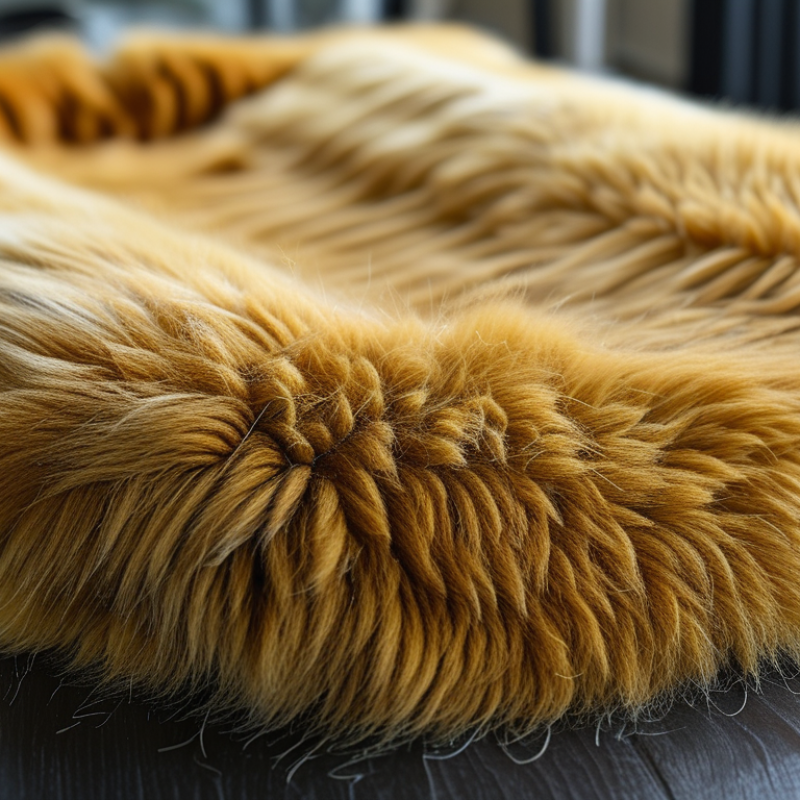
Understanding Faux Fur: A Quick Overview of Types
Faux fur has gained popularity due to its versatility and ethical appeal. Understanding the types of faux fur is essential for consumers. There are two main categories: short pile and long pile. Each type serves different purposes and has distinct characteristics.
Short pile faux fur features fibers that are less than one inch in length. This type closely mimics the look of natural furs from animals like rabbits. The short fibers create a sleek, sophisticated appearance, often preferred for garments and home décor. According to industry reports, short pile fur is frequently used in fashion collections as it provides a tailored silhouette. The tighter weave enhances durability, making it a reliable choice for everyday wear.
Long pile faux fur boasts fibers over one inch long. This type offers a more whimsical, plush feel, reminiscent of wilder animal furs. It is commonly used in cozy throw blankets and fun costume pieces. Reports indicate that long pile faux fur can shed more than its short counterpart, potentially leading to a messier maintenance routine. The depth of the fibers captures light differently, creating varied visual effects that can be both striking and challenging. While long pile faux fur adds a luxurious finish, it may require extra care to preserve its quality over time.
Top 10 Differences Between Short and Long Pile Faux Fur
| Feature |
Short Pile Faux Fur |
Long Pile Faux Fur |
| Pile Length |
Less than 1 inch |
More than 1 inch |
| Texture |
Sleek and smooth |
Fluffy and voluminous |
| Warmth |
Moderate warmth |
Higher warmth |
| Applications |
Lining, light outerwear |
Coats, throws, fashion items |
| Weight |
Lighter and more breathable |
Heavier and denser |
| Care |
Easier to clean and maintain |
Requires more careful washing |
| Appearance |
Neat and polished look |
Luxurious and dramatic look |
| Durability |
Generally more durable |
Can mat over time |
| Breathability |
Better for warmer climates |
Less breathable, more insulating |
| Cost |
Generally lower cost |
Often higher cost |
Characteristics of Short Pile Faux Fur and Its Uses
Short pile faux fur is known for its distinct characteristics and various applications. This type of faux fur typically has a pile height of less than one inch, providing a sleek and sophisticated look. It is often chosen for its durability and ease of cleaning, making it suitable for a range of uses, from upholstery to fashion. According to a report by the Department of Textile Engineering, short pile fabrics are less prone to matting, which extends their lifespan significantly compared to long pile options.
In terms of performance, short pile faux fur is often favored for garments that require a refined finish. It mimics the appearance of animal fur while ensuring ethical standards are maintained. An industry survey revealed that over 70% of fashion designers prefer short pile for elegant pieces like coats and scarves. The material’s shorter fibers allow for a tighter weave, offering comfort without sacrificing style. However, achieving a plush feel can be challenging, requiring high-quality synthetic materials.
Despite its advantages, short pile faux fur does come with limitations. While it excels in durability, it may not provide the same warmth as its long pile counterpart. Additionally, it can feel less soft to the touch, leading to mixed consumer feedback. This aspect should be considered when selecting faux fur for specific applications. The balance between aesthetic appeal and practicality is crucial in making informed design choices.
Exploring Long Pile Faux Fur: Features and Applications
Long pile faux fur has gained significant attention in recent years. Its versatility makes it a favorite among designers and crafters. According to a report by Market Research Future, the global faux fur market is expected to grow at a CAGR of 5.5% through 2026. This growth reflects increasing demand for sustainable fashion options. Long pile faux fur offers the softness and texture that consumers crave. It often mimics the look of luxurious animal furs while being cruelty-free.
The applications of long pile faux fur are vast. It is commonly used in high-fashion garments, blankets, and home decor. Designers appreciate how well it drapes, allowing for elegant silhouettes. Moreover, long pile faux fur can be dyed in various colors, enhancing its appeal. An interesting statistic is that 45% of consumers are willing to pay more for sustainable materials in their clothing, highlighting the trend towards eco-friendly products. The tactile nature of long pile faux fur invites touch, which is essential in fashion industries focused on consumer experience. However, some may find it requires more maintenance compared to shorter pile options, which can present challenges.
While long pile faux fur brings many advantages, it is not perfect. It can easily trap dirt and require frequent washing. This might deter some users, who prefer low-maintenance fabrics. Understanding the balance between luxury and practicality is essential for consumers. Evaluating one's lifestyle and preferences is vital when choosing the right faux fur.
Comparative Analysis: Durability of Short vs. Long Pile Faux Fur
When examining the durability of short and long pile faux fur, several factors emerge.
Short pile faux fur tends to be denser and more durable.
It withstands everyday wear better than its longer counterpart. The close fibers help resist matting and flattening,
making it an ideal choice for items like upholstery and clothing.
On the other hand, long pile faux fur presents a unique aesthetic appeal.
The longer fibers provide a luxurious look and feel. However, they can be more prone to tangling and may require
more maintenance. Users may find that long pile fur loses its shape over time, especially if not cared for properly.
Tips: If you favor durability, opt for short pile faux fur.
It offers more resistance to wear and tear. Consider the type of use your faux fur will see.
Regular brushing can help maintain the appearance of long pile fabrics. Remember, while long pile is visually striking,
keeping it in good condition requires effort.
Care and Maintenance Tips for Short and Long Pile Faux Fur
When it comes to caring for faux fur, understanding the nuances between short and long pile types is essential. Short pile faux fur is generally easier to maintain. It tends to repel dirt and stains more effectively. For example, regular brushing helps to keep its appearance intact. Studies indicate that short pile options can maintain their look with proper care 30% longer than their long pile counterparts.
Long pile faux fur, while luxurious, can present more challenges. It requires more effort to keep looking fresh. Washing these items too frequently can lead to matting and loss of shape. According to industry reports, using a gentle detergent and air drying is crucial. Many recommend brushing it lightly with a pet brush to untangle fibers. Neglecting this can lead to a fuzzy appearance, detracting from its softness.
Both types benefit from storing them properly. Avoid damp environments to prevent mildew. Additionally, using garment bags can offer protection against dust and insects. Taking these steps, while sometimes overlooked, ensures longevity and preserves the beauty of faux fur. Regular attention prevents small issues from becoming significant problems.
Top 10 Differences Between Short and Long Pile Faux Fur
FAQS
: Short pile faux fur has a pile height of less than one inch. It offers a sleek look and durability.
It mimics animal fur while maintaining ethical standards. Designers favor it for elegant garments like coats and scarves.
Short pile is denser and more durable, resisting matting better than long pile fur, which can tangle more easily.
Short pile is easy to maintain. Regular brushing keeps its appearance intact and it repels dirt and stains effectively.
Long pile requires more care. Washing too often can cause matting and loss of shape, which needs special attention.
Store faux fur in dry environments. Use garment bags to protect against dust and insects for longevity.
Short pile may not be as warm as long pile fur. This is an important consideration for colder climates.
Balance aesthetic appeal and practicality. Consider the specific application and how each type feels and performs.
Conclusion
This article delves into the key aspects of faux fur, specifically focusing on the differences between short and long pile variations. Understanding faux fur begins with an overview of its types, which sets the stage for examining the specific characteristics and uses of short pile faux fur, known for its sleek and structured appearance, and long pile faux fur, which is characterized by its luxurious, flowing texture.
A comparative analysis of durability highlights that short pile faux fur tends to be more resilient, making it ideal for frequently used items, while long pile faux fur, although softer and more aesthetically pleasing, may require more careful handling to maintain its form. The article also provides valuable care and maintenance tips for both types, ensuring that readers are equipped with the knowledge to keep their faux fur items in impeccable condition. Ultimately, the discussion effectively addresses the question of "what is the difference between short and long pile faux fur," offering insights into their unique features and applications.

 Harbor Textiles