Choosing the right materials for pet toys is crucial. As Dr. Emily Sinclair, a renowned animal behaviorist, explains, “Pet safety starts with material selection.” It's essential to ask, “what fabrics are suitable for pet toys?” Some fabrics can be harmful when chewed.
Natural fibers such as cotton are popular. They're soft and safe for teeth. However, durability can be an issue. Synthetic options like polyester are more robust but may contain harmful chemicals.
Pet owners should carefully consider each option. What's safe for one pet may not be for another. Frequent checks for wear and tear are necessary. Sometimes, the best choices aren't clear. Investing in quality materials can mean fewer worries down the line.
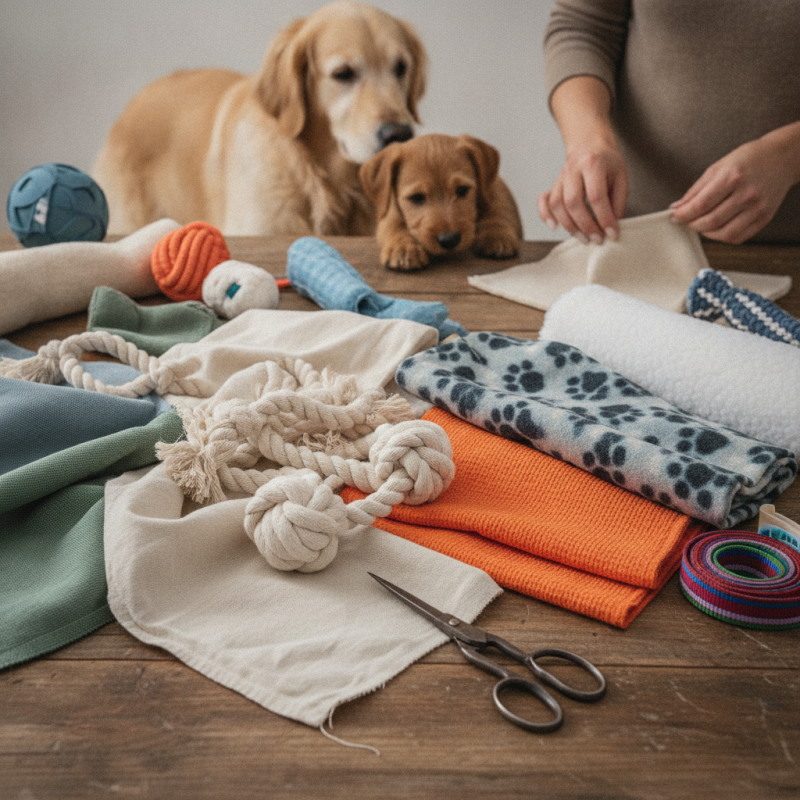
When selecting fabrics for pet toys, several essential characteristics must be considered.
Durability is crucial, as pets can be tough on their toys.
According to a report by the Pet Products Association, over 30% of pet owners have replaced toys due to wear and tear.
Choosing fabrics like ripstop nylon or heavy-duty cotton can extend the lifespan of these toys.
Waterproof options can also protect against spills and accidents.
Safety is non-negotiable. Fabrics should be free of toxic substances.
The American Society for Testing and Materials (ASTM) sets guidelines for safe pet product materials.
Pet owners should look for fabrics that adhere to these standards. Organic cotton and non-toxic polyester
are safer choices for pets who might chew and ingest smaller bits of their toys.
Tip: Always test a fabric's strength by tugging and pulling it before use.
Also, consider the texture. Pets enjoy different feels, from soft plush to rough canvas.
Some pets might prefer a mix of textures for added stimulation. Observing what your pet enjoys can guide fabric choice.
Remember, improper fabric selection can lead to accidents, which is a key area for improvement in the design process.
Tip: Regularly check toys for signs of damage.
Discard any toy that shows signs of wear to keep your pet safe.
: Natural fibers are biodegradable and eco-friendly. They are less likely to release harmful chemicals, promoting pet safety.
Hemp and cotton are popular choices. Hemp is strong and mold-resistant, while cotton is soft for pets to chew.
Regularly check for frayed edges and wear. This helps prevent potential hazards during playtime.
Synthetic fabrics are durable and can withstand heavy use. They resist wear and tear during chewing and tugging.
Some pets may be allergic to chemicals in synthetic fabrics. Small particles can also cause choking if swallowed.
Look for safety certifications when purchasing. This ensures the toys are non-toxic and suitable for your pets.
Yes, monitoring is important. Each pet is unique, and some toys may not suit every pet's needs.
Natural fibers can wear over time. Balancing safety and durability is essential for your pet's toys.
Yes, varied textures can stimulate pets’ interest and provide comfort. They also offer chew resistance, enhancing playtime.
Inspect toys regularly for wear. Be proactive; addressing issues early can keep your pets safe and happy.
When considering what fabrics are suitable for pet toys, it’s crucial to prioritize safety and durability. Essential characteristics of pet toy fabrics include non-toxicity, sturdiness, and ease of cleaning. The article highlights the top ten fabrics, ranging from cotton and hemp to canvas and fleece, noting their benefits for creating long-lasting toys.
Natural fibers offer several advantages, including softness and biodegradability, making them a popular choice among pet owners. However, synthetic fabrics like polyester also have their place, as they can provide enhanced durability and resistance to wear. Ultimately, understanding the pros and cons of both fabric types, along with proper care and maintenance tips, ensures that pet owners can make informed choices for safe and enjoyable play for their furry friends.

 Harbor Textiles