Top Reasons Toy Fabrics Fade After Washing?

Time:2026-09-26 Author:Liam
0%

Toy fabrics often lose their bright colors after washing, leaving plush animals dull, patchy, or unexpectedly pale. Parents may wonder, “why do some toy fabrics fade after washing” even when the care label seems simple. The answer usually involves several factors, including unstable dyes, rough fibers, strong detergents, high water temperatures, and repeated friction inside the machine.

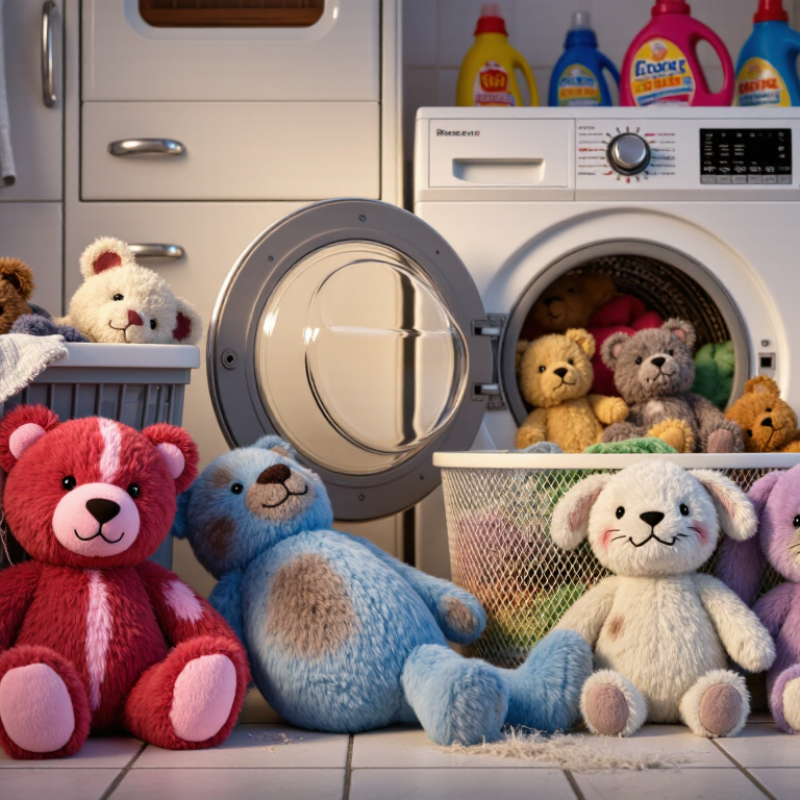
A red stuffed bear may show pink streaks after a hot cycle. A blue blanket toy may look gray after rubbing against towels. Heat can weaken some dyes, while bleach or enzyme-rich detergent may accelerate color loss. Long soaking can also encourage dye migration, especially when several colored toys share one load. Dark fabric rubbing against a pale embroidered face creates another visible problem.

Textile-care specialists generally recommend cool water, gentle detergent, short cycles, and air drying. A mesh laundry bag can reduce abrasion. Testing a hidden seam first is a practical safeguard. Still, no single cause explains every case. Some toys were poorly dyed before purchase, and even careful washing cannot fully prevent fading. Care labels may also be vague or incomplete. Inspect the fabric, seams, stuffing, and printed details before choosing a cleaning method. Small clues matter. Reliable guidance should combine manufacturer instructions with basic textile knowledge, not assumptions based only on color changes.
Top Reasons Toy Fabrics Fade After Washing?

What Causes Toy Fabrics to Fade During Washing

Toy fabric usually fades because its dye is not fully fixed to the fibers. During washing, water loosens some color, especially from deeply dyed cotton or low-quality printed surfaces. Warm or hot water can speed this process. Heat speeds it up. Dark reds, blues, and purples may release visible color into the wash.

Friction is another common cause. A toy tumbling against towels, zippers, or other fabrics can lose color at raised seams and worn edges. Strong detergent, chlorine bleach, and stain removers may also weaken dyes or strip them unevenly. It is easy to blame the detergent, but that is not always fair. Poor dye quality, earlier sun exposure, and repeated washing can contribute too.

The care label offers useful guidance, though it may not explain every fabric or dye. When unsure, wash the toy separately in cool water with a small amount of mild detergent. Turn removable fabric pieces inside out, and avoid vigorous rubbing. If the color seems unstable, test a hidden area with a damp white cloth first. A little transfer can occur, but heavy staining deserves caution. Air-drying away from direct sunlight may help preserve the remaining color.

How Fabric Type and Dye Quality Affect Color Retention

Toy fabric fading often starts with the fiber, not the washing machine. Cotton absorbs water and can release some loosely fixed dye during repeated washing. Polyester absorbs less water, but its color depends on dye being properly bonded to the fiber. Poor dye penetration or uneven finishing can leave pale patches, especially along seams and raised plush areas. Small details matter.

AATCC TM61, an industry accelerated-laundering method, uses a 45-minute test designed to approximate five home washes under specified conditions. AATCC Evaluation Procedure 1 rates color change on a gray scale from 1 to 5, with 5 indicating little or no visible change. These are useful benchmarks, not a promise that every toy will keep its original shade. In practice, compare the care label with the fabric’s test results, and look for color-transfer warnings. Dark, saturated plush may show fading more clearly than pale fabric. Hot water, strong detergent, and friction from a crowded wash can add stress. Yet a gentle cycle cannot fix weak dye bonding. I would be cautious about judging durability from a bright showroom sample alone; the first few washes may tell a different story.

Top Reasons Toy Fabrics Fade After Washing? - How Fabric Type and Dye Quality Affect Color Retention

Toy Fabric Common Coloration Method Typical Color Retention Why Fading May Occur Wash Factors to Watch Practical Care
Cotton plush Often reactive dye for solid shades; pigment printing is also used Generally good with well-fixed reactive dye; variable with surface pigment prints Loose dye can wash out. Pigment sits mainly on the fiber surface and may wear or crack with abrasion. Hot water, strong detergent, rubbing, and repeated washing Use a cool, gentle wash; turn printed items inside out when possible.
Polyester fleece or plush Usually disperse dye Often good when dyeing and heat-setting are properly controlled Excess heat, surface wear, or poorly fixed color can reduce brightness; polyester can also attract oily soil that makes colors look dull. High dryer heat, friction, and oily stains Wash cool with similar colors and avoid high-heat drying.
Nylon fabric Commonly acid dye; method depends on the product and shade Usually moderate to good, depending on dye selection and fixation Some shades are sensitive to light, heat, or harsh wash conditions; weak fixation can cause color loss or transfer. Strong alkalinity, high temperature, and prolonged direct sunlight Follow the care label; use mild detergent and dry away from strong sunlight.
Wool or wool-blend fabric Often acid dye for wool fibers Can be good, but performance varies by dye and wash process Aggressive washing can damage the fiber surface, making color appear uneven or faded; some dyes may bleed in unsuitable conditions. Hot water, strong agitation, and unsuitable detergent Use a wool-safe cycle or hand wash if permitted by the care label; do not wring.
Acrylic knit or plush Often basic (cationic) dye Often good when the dye is suitable and properly applied Heat and abrasion can damage or flatten fibers, changing how saturated the color looks; excess unfixed dye may bleed. Hot water, tumble-dryer heat, and rough washing Wash gently in cool water and keep away from high heat.
Polyester-cotton blend May use different dyes for each fiber or a combined coloration process Variable; each fiber component needs compatible dyeing and fixation The cotton and polyester portions can respond differently to dye and washing, causing uneven fading or a change in shade balance. High heat, mixed-color loads, and differences in dye fixation between fibers Use cool water, a gentle cycle, and similar colors; follow the garment or toy care label.

Note: These are general textile tendencies, not test results for a specific toy. Actual color retention depends on dye formulation, dye fixation, fabric construction, wash temperature, detergent, abrasion, and drying conditions.

How Water Temperature and Detergents Accelerate Fading

Toy fabrics often fade through a mix of heat, detergent chemistry, and rubbing. Hot water can make some dyes migrate from fibers into the wash, especially in saturated reds, blues, and dark prints. AATCC TM61 tests laundering colorfastness at controlled temperatures from 40°C to 71°C. Its 45-minute accelerated cycle can represent about five home washes under specified conditions. That is a useful warning: repeated warm cycles may age a fabric faster than one cold, gentle wash.

Detergent matters, too. Strong alkalinity and bleach can alter or oxidize certain dyes; concentrated detergent can leave pale-looking residue on plush surfaces. Use the care label’s temperature, a mild detergent, and the measured dose. Keep light and dark toys separate. Small doses matter. AATCC Evaluation Procedure 1 rates visible color change on a gray scale from 1 to 5, with 1 indicating severe change and 5 indicating no visible change. Still, a lab test cannot fully reproduce a child’s laundry basket, where friction, stains, and mixed fabrics complicate the picture. A faded seam may come from rubbing, not water temperature alone.

Why Washing Methods and Friction Can Remove Toy Colors

Toy colors often fade because washing combines moisture, detergent, and repeated rubbing. In a machine, a plush toy can knock against the drum and other laundry. That friction wears at the fabric surface, especially on raised areas such as ears, paws, and stitched noses. Short fibers may also flatten, making the color look dull even when little dye has washed away. It is easy to blame the detergent alone.

Water temperature and soaking time can matter, too. Hot water may loosen some dyes, while strong detergent or too much product can leave residue that changes how the fabric reflects light. A toy with several fabric types may fade unevenly; one section can stay bright while another looks washed out. Results vary, so a care label is a better guide than a one-size-fits-all rule.

For washable toys, use cool water and a gentle cycle when the care instructions allow it. A mesh laundry bag can reduce direct rubbing. Hand-washing with mild detergent may help, but scrubbing stains hard can still lift color. Rinse gently, press out water with a towel, and air-dry away from strong sun. Even careful washing cannot always prevent fading, and that is frustrating. A hidden-area color test can reveal whether the dye runs, though it may not predict every wash.

How to Wash Toy Fabrics Safely and Preserve Their Colors

Top Reasons Toy Fabrics Fade After Washing?
How to Wash Toy Fabrics Safely and Preserve Their Colors

Toy fabrics can fade when warm water, strong detergents, or repeated rubbing loosen surface dyes. Sunlight can also dull colors while a toy dries. Before washing, read the care label and check for batteries, sound parts, glued decorations, or delicate seams. These toys may need spot cleaning instead of a full wash.

Blot small marks with a clean cloth and cool water; avoid scrubbing, which can roughen fibers. For washable toys, separate bright or dark fabrics from pale ones. Use a small amount of mild detergent and cool water, then choose a gentle cycle or hand wash. A mesh laundry bag can reduce friction. Less movement helps.

Rinse thoroughly so detergent does not remain in the fabric. Press out water with a towel rather than twisting the toy, then air-dry it in the shade. Check that the filling is completely dry before giving it back to a child. Heat may shrink fabric or weaken glued details. One imperfect wash can still change a color, and faded dye usually cannot be restored, so test an inconspicuous area when the care label allows.

FAQS

Why do toy fabrics fade after washing?

Warm water, strong detergent, and rubbing can loosen surface dyes. Sunlight may dull colors during drying. Small details matter.

Does fabric type affect color retention?

Yes. Cotton absorbs water and may release loosely fixed dye. Polyester absorbs less water, but poor dye bonding can still cause fading.

What washing temperature is safest for colors?

Follow the care label and use cool water when suitable. Repeated warm washes may stress saturated colors more than one gentle wash.

Which detergent should I use?

Choose a mild detergent and measure a small dose. Strong or alkaline products may affect some dyes. Small doses matter.

How can I reduce rubbing during a wash?

Wash toys separately from rough or heavy items. A mesh laundry bag can reduce friction. Less movement helps.

Should every toy go in the washing machine?

No. Check for batteries, sound parts, glued decorations, and delicate seams. Spot cleaning may be safer for these toys.

How should I dry a washable toy?

Press out water with a towel, without twisting. Air-dry it in the shade, and check that the filling is completely dry.

Can faded toy fabric regain its original color?

Usually, faded dye cannot be restored. Test an inconspicuous area when the care label allows. I would not trust a bright showroom sample alone.

Conclusion

Toy fabrics may lose their color after washing for several reasons, including the type of material, the quality of its dye, and the way the toy is cleaned. Some fibers hold color less effectively, while poorly fixed dyes can rinse away more easily. Hot water and strong detergents may weaken color over time, and vigorous washing or rubbing can wear down the fabric surface and loosen its color.

Understanding why do some toy fabrics fade after washing can help caregivers choose gentler cleaning methods. Check care instructions, use cool water and a mild detergent, and avoid harsh scrubbing or excessive agitation. When possible, spot-clean the fabric or wash it gently, then let it air-dry away from prolonged direct sunlight. These simple steps can help preserve a toy’s appearance through repeated cleaning.

Liam

Liam

Liam is a dedicated marketing professional with a profound expertise in the industry, where he excels at highlighting the unique advantages of our core products. With a keen understanding of market trends and consumer needs, Liam frequently updates our company’s professional blog, providing......