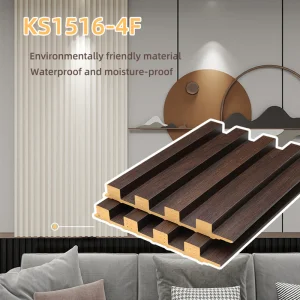
China Supplier Customized 159*16mm Eco-Friendly Wood-Grain WPC Solid Fluted Wall Panels
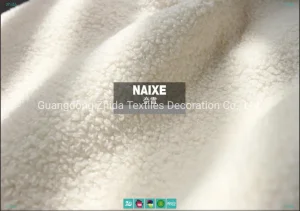
Poliform Sofa Upholstery Decorative Chair Cushion Couch Fabric
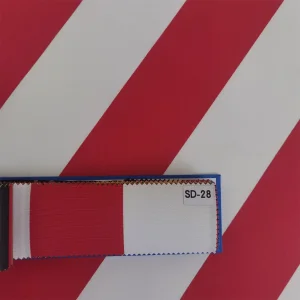
The Fabric for Outdoor Gardens Is Waterproof, Weather-Safe and UV-Resistant

Premium Decorative Carving Leather Fabric for Stylish Sofa Upholstery
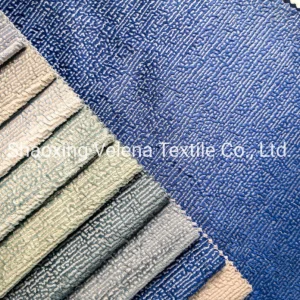
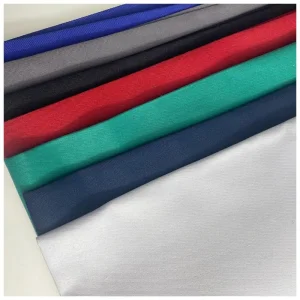
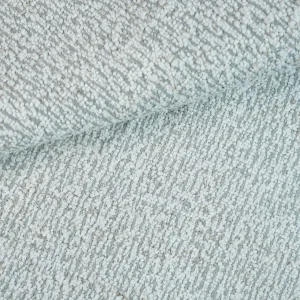
Upholstery Fabrics - Woven Decorative Chemical Fiber Polyester for Modern Furniture
Cotton twill is characterized by its signature diagonal parallel ribs (weft threads offset from warp threads). It is a foundational material in the global textile industry, driving key market sectors including industrial apparel, durable workwear, lifestyle fashion, and heavy-duty home upholstery. In 2024, the demand for highly reliable, long-staple cotton twill is surging. The market is shifting from low-spec fabrics to custom-engineered, multi-functional textiles that offer elevated durability, breathability, and ecological safety.
For international sourcing directors, buying officers, and product managers at fashion houses or commercial brands, identifying a direct-to-manufacturer supplier in China is critical. Procuring directly from a Chinese mill bypasses intermediaries, providing complete control over fiber grade selection, weaving density, yarn twist direction (S or Z twist), and finishing technology.
China's dominance in the cotton twill manufacturing sector is built on vertical integration and technological scale. Unlike fragmented textile clusters globally, China's modern fabric mills unite raw carding, spinning, combing, weaving, dyeing, finishing, and logistics into a single local ecosystem. This reduces waste and accelerates production timelines.
We deploy high-speed Toyota and Tsudakoma air-jet looms, achieving defect rates under 1.5% and maintaining consistent warp tension throughout production.
Spectrophotometer-linked automated color compounding ensures delta-E color variance remains below 0.5 across production batches.
Our proximity to Shenzhen's major ports reduces inland transit time. This enables seamless customs handoffs and direct container loading for international shipping.
"The primary value of sourcing cotton twill from China is consistent quality at scale. When procuring 100,000 meters of 3/1 warp-faced twill, minor variations in warp-yarn tension can create uneven diagonal ribs. Modern Chinese production facilities eliminate these variations through digital tension controls."
Shenzhen Harbor Textiles Co., Ltd. is a leading luxury textile fabric manufacturer based in Shenzhen, China, specializing in high-quality fabrics for fashion, home décor, and toy applications. With extensive experience in the textile industry, Harbor Textiles has earned a reputation for producing premium faux fur, fleece, plush, and toy fabrics, offering both innovation and craftsmanship to meet diverse client needs.
The company focuses on custom OEM services, providing tailored solutions for international buyers, including fashion brands, home textile retailers, and toy manufacturers. By combining advanced machinery, professional design teams, and strict quality control, Harbor Textiles ensures each fabric delivers softness, durability, and aesthetic appeal, meeting both functional and decorative requirements.
Harbor Textiles emphasizes sustainable and eco-friendly production, sourcing materials responsibly and adopting environmentally conscious manufacturing practices. Its design team continuously develops trend-driven fabric collections, including seasonal patterns, unique textures, and specialty finishes, helping clients stay ahead in competitive markets.
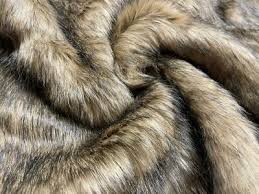
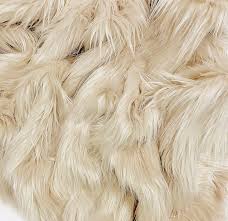
As a trusted partner in the textile industry, Shenzhen Harbor Textiles Co., Ltd. provides end-to-end solutions, from fabric concept and design to production, finishing, and packaging. Whether supplying luxury faux fur for fashion, fleece for home textiles, or soft fabrics for plush toys, Harbor Textiles remains committed to quality, innovation, and customer satisfaction, making it a preferred choice for brands and manufacturers seeking reliable and premium textile solutions from China.
Through rigorous process controls and yarn selection, we extend our production capabilities to high-density cotton and cotton-blend twills. This expansion supports global clients requiring fabrics that withstand tough washing and processing cycles. By leveraging our location in Shenzhen, we ensure fast prototype turnaround, straightforward export clearance, and shorter lead times.
Selecting the correct twill construction depends on your application's requirements for flexibility, weight, and wear resistance. In a twill weave, the yarn floats over two or more warp threads to create the characteristic diagonal pattern. Here is how the three main commercial twill structures compare:
| Weave Structure | Warp/Weft Float Ratio | GSM Range | Best Application | Key Technical Benefit |
|---|---|---|---|---|
| 2/1 Twill (Lightweight) | Warp over 2, Weft under 1 | 120 - 180 GSM | Light apparel shirts, lining, summer garments | High breathability, soft drape, quick iron finish |
| 2/2 Twill (Balanced) | Warp over 2, Weft under 2 | 180 - 260 GSM | Chinos, lightweight jackets, medium drapery | Reversible construction, equal diagonal angles on both faces |
| 3/1 Twill (Heavyweight) | Warp over 3, Weft under 1 | 260 - 450 GSM | Workwear uniforms, tactical apparel, heavy upholstery | Excellent abrasion resistance, protects face yarns from wear |
| Broken Twill / Herringbone | Reversing diagonal directions | 200 - 350 GSM | Fashion outerwear, military field jackets | Prevents fabric torque (twisting), holds structure under tension |
Modern wholesale fabric sourcing must align with international environmental and chemical regulations. Industrial customers must verify that imported materials comply with safety and sustainability mandates, including REACH (Europe), TSCA (USA), and OEKO-TEX certification.
Shenzhen Harbor Textiles uses zero-discharge water filtration systems and low-impact reactive dyes. We select long-staple cotton fibers that minimize shedding and fiber dust generation during mechanical shearing. We also prioritize recycled fibers and organic cotton options to help our clients meet strict global sourcing criteria.
From a logistical standpoint, shipping out of Shenzhen provides access to high-volume shipping lines. This routes cargo directly to major global hubs with shorter ocean voyages, reducing carbon emissions per ton of fabric shipped.
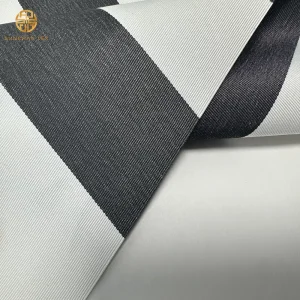
Premium Weather-Resistant Outdoor Upholstery Fabric for Stylish Spaces
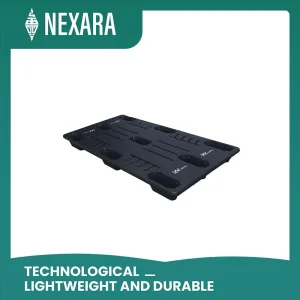
Nexara Eco-Friendly Warehouse Industrial Blowing Plastic Pallet for Storage
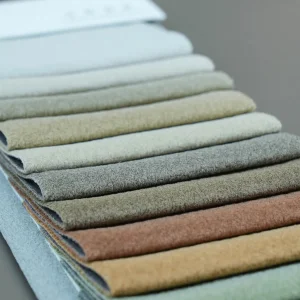
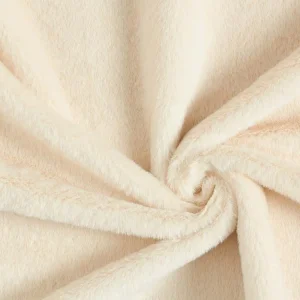
Upholstery Fabric Faux Fur Decorative Sherpa Fleece Fabric Textile in Raw Color Winter Fleece Shirt
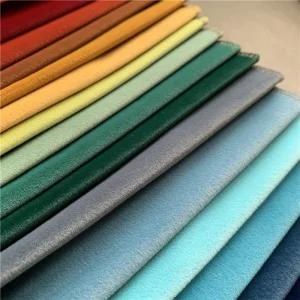
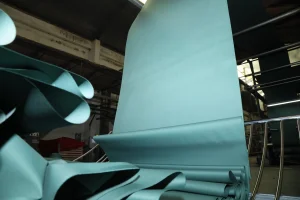
Custom Wide-Width Weather-Resistant Outdoor Workwear Material 100% Cotton Fabric
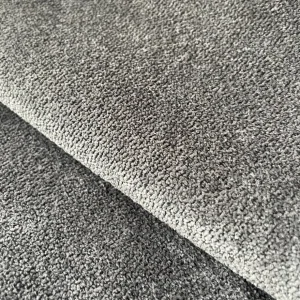
Velvet Looking Woven Sofa Fabric Upholstery Furniture Cloth Decorative Material
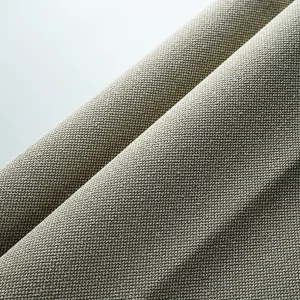
Weather-Resistant 2401 Polyester Indoor Outdoor OEM ODM Customized Sofa Fabric
 Harbor Textiles