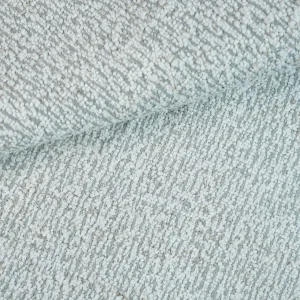
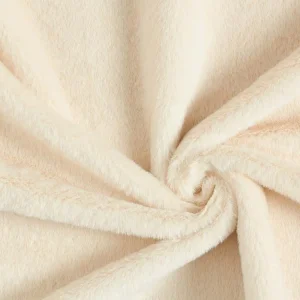
Shenzhen Harbor Textiles Co., Ltd. is a leading luxury textile fabric manufacturer based in Shenzhen, China, specializing in high-quality fabrics for fashion, home décor, and toy applications. With extensive experience in the textile industry, Harbor Textiles has earned a reputation for producing premium faux fur, fleece, plush, and toy fabrics, offering both innovation and craftsmanship to meet diverse client needs.
The company focuses on custom OEM services, providing tailored solutions for international buyers, including fashion brands, home textile retailers, and toy manufacturers. By combining advanced machinery, professional design teams, and strict quality control, Harbor Textiles ensures each fabric delivers softness, durability, and aesthetic appeal, meeting both functional and decorative requirements.
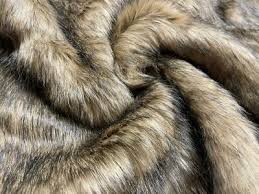
Harbor Textiles emphasizes sustainable and eco-friendly production, sourcing materials responsibly and adopting environmentally conscious manufacturing practices. Its design team continuously develops trend-driven fabric collections, including seasonal patterns, unique textures, and specialty finishes, helping clients stay ahead in competitive markets.
As a trusted partner in the textile industry, Shenzhen Harbor Textiles Co., Ltd. provides end-to-end solutions, from fabric concept and design to production, finishing, and packaging. Whether supplying luxury faux fur for fashion, fleece for home textiles, or soft fabrics for plush toys, Harbor Textiles remains committed to quality, innovation, and customer satisfaction, making it a preferred choice for brands and manufacturers seeking reliable and premium textile solutions from China.
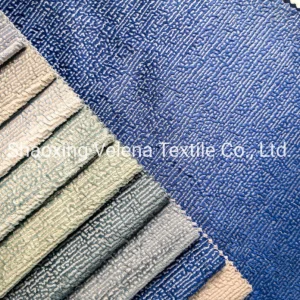
In modern industrial design, haptic performance—how a material feels to the human touch—is as crucial as visual aesthetics and mechanical durability. The sensory feedback of soft touch faux leather is achieved not by accident, but through precise micro-structural engineering and polymer optimization. At Shenzhen Harbor Textiles, we utilize next-generation Polyurethane (PU) dispersions and thermoplastic polymers to design surfaces that mimic the complex dermal structure of genuine top-grain calf leather.
Traditional synthetic leathers often suffer from a cold, plastic, or overly sticky texture, which stems from low-performance plasticizers and basic top-coat finishes. To eliminate this, our haptic engineering team incorporates custom polyurethane formulations that feature a micro-porous structure. This structure allows for subtle air permeability and vapor transmission, preventing the hot, non-breathable sensation common in budget synthetics. By adjusting the molecular weight distribution of the polyurethane chain segments, we can tune the material’s elasticity and compressional recovery, ensuring a plush feel that rebounds instantly under pressure.
Our soft-touch coatings integrate micro-spherical silica and cross-linking polyurethane beads. These additives create sub-micron surface topography, diffusing reflected light to produce an ultra-matte finish while forming a rolling contact barrier against skin lipids, preventing oily sheen over years of continuous usage.
Advanced aeration technology creates microscopic channels within the PU matrix, allowing optimal heat dispersion and mimicking natural skin thermodynamics.
Designed for premium automotive cabins and acoustic paneling, reducing ambient high-frequency vibration and reflection.
Resists structural fatigue, maintaining its micro-elastic profile after hundreds of thousands of compression cycles.
As a premier global supplier, Shenzhen Harbor Textiles Co., Ltd. does not rely on a "one size fits all" strategy. We collaborate with OEM product engineers to customize physical parameters. This customization matches specific substrates, tensile profiles, and chemical resistances required for targeted applications.
| Performance Indicator | Standard Specification Range | Test Protocols (ISO / ASTM) | Target Application & Tuning |
|---|---|---|---|
| Thickness Control | 0.6 mm to 2.2 mm (±0.05 mm tolerance) | ISO 2589 / ASTM D1813 | Thinner for consumer electronics; thicker for heavy upholstery. |
| Tactile Softness (Haptic Index) | Soft (Shore A 40) to Semi-Rigid (Shore A 85) | ISO 868 / Shore Durometer | Optimized for steering wheels, interior trim, and furniture cushions. |
| Martindale Rub Durability | 50,000 to 200,000+ Cycles (No surface cracking) | ISO 12947-2 / ASTM D4966 | Heavy-duty commercial seating, transit systems, and lounges. |
| Hydrolysis Resistance | 3 Years to 10 Years (Jungle Test conditions) | ISO 1419 (Method C) | High humidity marine trim, healthcare furniture, tropical applications. |
| Flame Retardancy | FMVSS 302, BS 5852 Source 0/1/5, CA TB117 | ASTM E84 / EN 1021 | Automotive, aviation cabins, and commercial contract furniture. |
| Color Accuracy (CIELAB ΔE) | ΔE < 0.5 compared to master standard | ASTM D2244 / ISO 105-J03 | Automotive instrument panel matching and premium consumer branding. |
Sourcing from Shenzhen Harbor Textiles Co., Ltd. provides global enterprise buyers with a geographic and economic advantage. Shenzhen is the focal point of the Pearl River Delta industrial cluster—the world's most advanced manufacturing ecosystem. Our vertical integration strategy controls costs and coordinates quality at every step, from base polyester fabric weaving to specialized polyurethane coating and custom embossing.
Traditional supply chains rely on multiple third-party vendors for raw backing fabric, chemical blending, coating, and finishing. This fragmentation introduces compounding delays and variance in batch quality. Harbor Textiles mitigates this through in-house capabilities. We run modern knitting and weaving machinery to manufacture backing textiles, coordinate with close chemical supply partners for bespoke PUD synthesis, and operate advanced knife-over-roll coating systems. This results in lead times that are 30% shorter than the industry average, along with complete control over chemical traceability.
We weave base textile substrates, synthesize resin coatings, and perform embossing in a single facility to maintain strict quality standards.
Located near the port of Shenzhen (Yantian/Shekou), offering direct marine lanes, efficient customs clearance, and reduced transit times.
Equipped with computerized sensor arrays that track coating thickness in real-time, eliminating physical variance across production runs.
Enterprise procurement departments must mitigate regulatory, quality, and communication risks. Sourcing faux leather internationally requires deep alignment on environmental standards, testing criteria, and supply chain logistics. At Shenzhen Harbor Textiles, we support regional offices with a comprehensive technical assistance program that extends beyond simple material manufacturing.
We provide localized technical representatives in Europe and North America who understand regional fire safety regulations and furniture upholstery codes (such as BS 5852 Source 5 or California TB 117). This localized interface streamlines engineering revisions, expedites sample loops, and aids in regional customs compliance. In addition, we host physical material reviews and digital color verification to bridge the gap between design concepts and large-scale industrial output.
Every production batch is assigned a unique QR code linked directly to its raw material source certificates, chemistry composition sheets, and third-party laboratory safety test results. This ensures complete downstream compliance verification for consumer-facing brands.
Formulated without heavy metals, phthalates, or Restricted Substances list (RSL) chemicals.
Certified safe for skin-contact products, baby gear, and fashion garments.
Utilizes post-consumer recycled PET bottles for backing fabrics, reducing plastic footprint.
Tested via chamber protocols to verify minimal off-gassing, essential for automotive cabin standards.
The unique performance attributes of our custom soft-touch synthetic leather enable its deployment across high-stress industrial applications. Below is an overview of how our material is integrated into leading consumer and commercial sectors:
Utilized for wraps on steering wheels, instrument panels, dashboards, and side console panels where direct physical interaction requires premium haptic quality and low VOC performance.
Specified for high-traffic lounges, workspaces, and luxury hospitality venues where durability (Martindale > 100,000 rubs) and cleanability must blend with comfortable tactility.
Designed for premium protection accessories, wearable tech straps, smart tablet cases, and acoustic ear cups, offering high UV resistance and resistance to skin sebum degradation.
The synthetic leather market is undergoing a transition driven by carbon reduction mandates, circular design models, and smart material integration. Shenzhen Harbor Textiles remains at the forefront of this evolution by focusing R&D on three primary development pipelines:
 Harbor Textiles