Analyzing the paradigm shift toward smart insulation, ecological responsibility, and engineered textile resilience.
Modern industrial applications require more than basic lofting. Contemporary padded fabrics leverage advanced composite structures, blending custom-engineered hollow-fiber fills with vapor-permeable face textiles. This provides superior heat-to-weight ratios essential for extreme climates.
Driven by strict global chemical and environmental directives (such as EU's REACH and OEKO-TEX® Standards), top-tier manufacturers are discarding traditional non-recyclable padding. Instead, they utilize certified bio-based synthetics, post-consumer recycled PET bottles, and biodegradable thermal layers to ensure compliance with strict environmental regulations.
Traditional needle-and-thread quilting is giving way to high-frequency ultrasonic bonding. This technology eliminates needle holes, preventing insulation fibers from migrating while providing exceptional water resistance and custom decorative stitch shapes for luxury applications.
Understanding the critical specifications and structural standards required by international buyers and supply chain directors.
B2B buyers, including commercial furniture groups, performance apparel brands, and industrial equipment developers, do not purchase textile products on visual appeal alone. The technical and commercial intent behind wholesale padded fabric procurement relies heavily on three core pillars: Traceable Raw Materials, Certified Performance Under Load, and Scalable Unit Cost Containment.
When selecting a manufacturing partner, leading purchase managers focus heavily on the quality, loft retention, and physical integrity of the thermal layers. Under prolonged vacuum packing, poor-quality materials suffer permanent structural collapse. Highly engineered padded fabrics must sustain mechanical resilience, recovering their volume instantly upon unpacking to safeguard thermal performance and premium visual appearance.
Global brands operating in North America and Western Europe mandate clear certifications. Key requirements include the Global Recycled Standard (GRS) for polyester fills, standard thermal performance test reports (ASTM/ISO), and fire-retardant compliance (CAL 117 or BS 5852) for furniture fabrics.
Padded fabrics used in upholstery, logistics tarps, or outer workwear must survive continuous mechanical strain. Factory testing ensures high warp and weft tensile strength to prevent delamination during high-speed sewing, active handling, or exposure to heavy winds.
Shipping bulk soft goods across the ocean demands extreme compression capability. Superior loft design allows padded goods to be vacuum-compressed for ocean transit without compromising original thickness, rebound velocity, or soft hand-feel upon container unpacking.
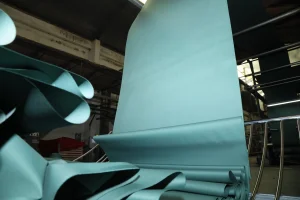
Modern Chinese textile engineering has transitioned from labor-heavy assembly to automated smart manufacturing. Advanced factories in textile hubs utilize automated sorting systems and real-time electronic monitoring to minimize errors and expedite production.
This deep integration within the industrial supply chain ensures immediate access to polyester raw materials, technical weaving facilities, custom dye houses, and high-efficiency finishing plants. This geographic advantage reduces supply chain lead times by up to 45% compared to emerging production markets.
Furthermore, digitalized quality inspection loops employ automated camera arrays to identify fiber breaks, misaligned seams, or uneven grammage distribution in real time. This technical oversight keeps product rejection rates below 0.3% over millions of linear meters, ensuring reliable quality for international buyers.
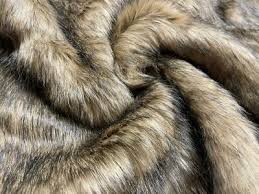
From extreme weather performance gear to luxury indoor furniture, discover where engineered padded fabrics provide essential utility.
Used in high-altitude outdoor gear, high-grade awnings, and weather-proof protective equipment. Engineered layers must endure UV radiation, high moisture, and constant temperature swings without losing structural loft, thermal insulation capacity, or water-repellent properties.
In high-traffic commercial spaces like hotels and modern corporate offices, padded panels serve dual roles: structural comfort and acoustic management. Custom density padding dampens sound waves, creating quiet, productive workspace environments.
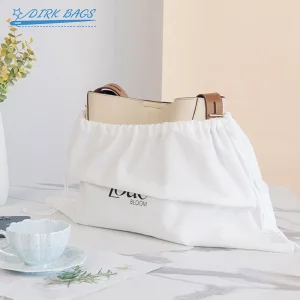
High-end fashion garments, designer handbags, and protective shoe bags require premium, scratch-free linings. Soft-brushed microfiber combined with lightweight polyester cushioning protects delicate luxury leather goods and sensitive hardware from abrasions during transport.
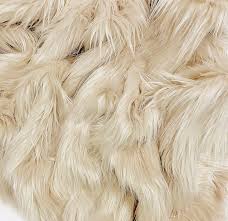
Shenzhen Harbor Textiles Co., Ltd. is a leading luxury textile fabric manufacturer based in Shenzhen, China, specializing in high-quality fabrics for fashion, home décor, and toy applications. With extensive experience in the textile industry, Harbor Textiles has earned a reputation for producing premium faux fur, fleece, plush, and toy fabrics, offering both innovation and craftsmanship to meet diverse client needs.
The company focuses on custom OEM services, providing tailored solutions for international buyers, including fashion brands, home textile retailers, and toy manufacturers. By combining advanced machinery, professional design teams, and strict quality control, Harbor Textiles ensures each fabric delivers softness, durability, and aesthetic appeal, meeting both functional and decorative requirements.
Harbor Textiles emphasizes sustainable and eco-friendly production, sourcing materials responsibly and adopting environmentally conscious manufacturing practices. Its design team continuously develops trend-driven fabric collections, including seasonal patterns, unique textures, and specialty finishes, helping clients stay ahead in competitive markets.
As a trusted partner in the textile industry, Shenzhen Harbor Textiles Co., Ltd. provides end-to-end solutions, from fabric concept and design to production, finishing, and packaging. Whether supplying luxury faux fur for fashion, fleece for home textiles, or soft fabrics for plush toys, Harbor Textiles remains committed to quality, innovation, and customer satisfaction, making it a preferred choice for brands and manufacturers seeking reliable and premium textile solutions from China.
Find answers to common technical, logistics, and quality assurance questions when partnering with a Chinese textile manufacturer.
 Harbor Textiles