Premium selection of functional textiles manufactured with strict quality standards for global distribution.
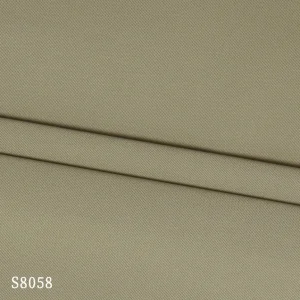

An authoritative analysis of polyurethane polymer dynamics, elastomeric circular knitting technologies, and supply chain strategies for high-performance apparel brands.
The global textile economy is witnessing a critical shift. The convergence of sportswear, streetwear, and functional apparel has transformed requirements for elasticity and material resilience. At the center of this revolution is Spandex Knitted Fabric (polyurethane-polyurea copolymer). Spandex, also known as elastane, is engineered at a molecular level to allow recovery after extreme stretch. Historically used as a minor additive, it is now a primary raw material for modern athleisure, medical compression garments, and high-performance outerwear.
As a leading supplier and exporter, we design this white paper to provide design engineers, procurement heads, and brands with technical and commercial insights into elastomeric textile production, polymer physics, and modern manufacturing paradigms.
Chemically, spandex consists of alternating hard and soft blocks. The soft blocks—comprising long chains of polyether or polyester glycols—are highly coiled and give the fiber its characteristic elasticity. The hard blocks, made of diisocyanates and chain extenders, form crystalline nodes via hydrogen bonding. This network prevents the fiber from sliding permanently under tension, enabling immediate recovery to its original state. When combined with modern circular and warp knitting techniques, this molecular framework delivers performance, breathability, and structural durability.
The spandex knitted fabric market is growing due to rising consumer demand for comfortable clothing and activewear. Market indicators show that global demand for elastomeric fabrics will continue to expand, particularly across the Asia-Pacific region, North America, and Europe. This growth is driven by the rise of athleisure, growing interest in personal health, and new developments in medical textiles.
In addition to consumer trends, supply chain logistics and environmental regulations are shaping the industry. Modern raw spandex feedstocks, including PTMEG and MDI, are subject to volatile pricing and strict trade compliance. To mitigate these risks, leading manufacturers are shifting toward vertically integrated supply chains, advanced yarn extrusion technologies, and localized distribution networks. This ensures consistent quality, stable pricing, and reliable delivery for global brands.
Utilizing high-purity polyurethane solutions, dry-spinning delivers excellent uniformity and elasticity. This process is key for high-density spandex knits that require uniform dye take-up and wash-and-wear performance.
We use high-gauge circular knitting machines (28G to 40G) to create smooth, dense surfaces with integrated elastomeric yarns. This technique minimizes raw edge curling and prevents fiber slippage.
Using advanced hydrophilic and hydrophobic chemical finishes, we customize our fabrics for sweat evaporation and body temperature regulation during high-intensity sports.
Modern spandex knits are highly versatile, serving multiple industrial sectors through advanced engineering. Below are three primary macro-industry applications for our fabrics:
Elite athletic performance requires textiles that minimize muscle fatigue and recovery times. Our spandex knitted fabrics support muscles to reduce micro-vibrations, helping lower fatigue levels. These fabrics feature multi-axial stretch, offering consistent tension that moves naturally with the wearer during physical activity. Integrated hydrophilic channels pull moisture away from the skin, keeping athletes dry and comfortable during prolonged exercise.
In medical settings, fabric performance must be highly predictable. Our textiles provide controlled, graduated compression, which is essential for managing deep vein thrombosis (DVT), lymphedema, and joint instability. We perform extensive testing to ensure our fabrics maintain consistent tension over time, even with regular sterilization and washing, while remaining gentle on the skin.
Automotive designers use spandex-integrated textiles for complex interior surfaces and door panel trims. The high elastic recovery of our knits ensures they hold their shape over time, resisting stretching and sagging even under varying cabin temperatures and humidity levels. Our fabrics also resist UV-induced discoloration, helping maintain their appearance inside vehicles.
Shenzhen Harbor Textiles Co., Ltd. is a leading luxury textile fabric manufacturer based in Shenzhen, China, specializing in high-quality fabrics for fashion, home décor, and toy applications. With extensive experience in the textile industry, Harbor Textiles has earned a reputation for producing premium faux fur, fleece, plush, and toy fabrics, offering both innovation and craftsmanship to meet diverse client needs.
The company focuses on custom OEM services, providing tailored solutions for international buyers, including fashion brands, home textile retailers, and toy manufacturers. By combining advanced machinery, professional design teams, and strict quality control, Harbor Textiles ensures each fabric delivers softness, durability, and aesthetic appeal, meeting both functional and decorative requirements.
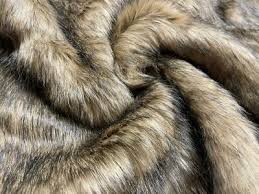
Harbor Textiles emphasizes sustainable and eco-friendly production, sourcing materials responsibly and adopting environmentally conscious manufacturing practices. Its design team continuously develops trend-driven fabric collections, including seasonal patterns, unique textures, and specialty finishes, helping clients stay ahead in competitive markets.
As a trusted partner in the textile industry, Shenzhen Harbor Textiles Co., Ltd. provides end-to-end solutions, from fabric concept and design to production, finishing, and packaging. Whether supplying luxury faux fur for fashion, fleece for home textiles, or soft fabrics for plush toys, Harbor Textiles remains committed to quality, innovation, and customer satisfaction, making it a preferred choice for brands and manufacturers seeking reliable and premium textile solutions from China.
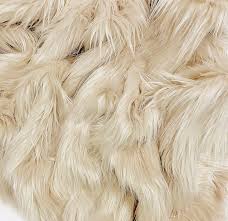
As textile engineering evolves, our technical roadmap focuses on three main innovation pathways designed to align performance with sustainability:
We are reducing our reliance on petrochemical feedstocks by developing spandex derived from bio-based resources, such as industrial corn starch. This transition helps reduce carbon emissions during production while maintaining the stretch, recovery, and durability of traditional spandex fibers.
Elastane-containing garments have historically been difficult to recycle due to the challenges of separating polyurethanes from natural or synthetic fibers. To address this, we are developing chemical recycling solutions that break down blended textiles, recovering pure polyester and elastane monomers for reuse in high-grade yarn production.
We are integrating conductive silver-coated fibers into our spandex knits, laying the groundwork for interactive apparel. These smart fabrics can monitor muscle movement, heart rates, and respiratory biometrics in real-time, making them valuable for advanced athletic wear and medical patient monitoring.
To support global supply chains, we provide localized assistance tailored to regional quality standards. From REACH and OEKO-TEX Standard 100 certifications to localized logistics hubs in key markets, we ensure our fabrics comply with international environmental and safety regulations. This streamlined process helps clients minimize import delay risks and achieve reliable, on-time delivery.
Answers to essential questions regarding our production capabilities, material options, and order processes.
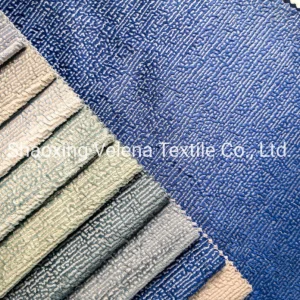
Explore our full catalog, featuring velvet options, PVC membrane materials, and eco-friendly consumer goods.
 Harbor Textiles