
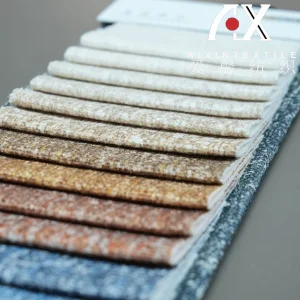
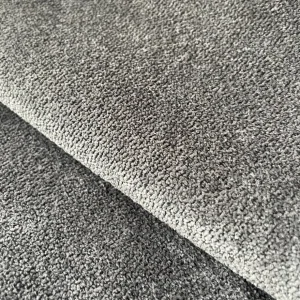
The global demand for high-performance synthetic leather, specifically faux leather with a suede finish, has entered an era of rapid transformation. Driven by stringent environmental regulations, shifting consumer preferences toward vegan and cruelty-free alternatives, and the structural performance limitations of natural suede, high-tier synthetic alternatives have transitioned from budget replacements to first-choice materials in high-end industries.
Historically, natural suede was favored for its soft, napped texture and luxurious aesthetic. However, its susceptibility to moisture staining, poor UV resistance, low tear strength, and chemical inconsistency across hides presented major roadblocks for commercial manufacturers. In response, advancements in non-woven microfiber technology and advanced polyurethanes (PU) have paved the way for synthetic suede materials that outperform natural leather on every metric while ensuring reliable supply chains and consistent material uniformity.
Today, the automotive interior sector, luxury fashion brands, and heavy-duty contract upholstery markets are the primary consumers of premium synthetic suede. Engineered variants, such as microfiber suede, have become the standard for sports car seating, headliners, and steering wheel wraps because they provide superior grip and breathability. Simultaneously, modern fashion houses and footwear brands rely on these engineered materials to construct lightweight, stain-resistant jackets, bags, and athletic shoes that endure harsh elements.
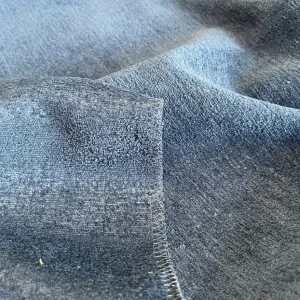
To understand the authoritative status of synthetic suede, one must analyze its structural composition. Unlike standard PVC or basic PU coated fabrics, premium suede finish faux leather utilizes a three-dimensional non-woven matrix of ultra-fine microfibers. These microfibers—often composed of sea-island polyamide (nylon) and polyester conjugates—are bound together using high-grade, solvent-free polyurethanes through a specialized coagulation process. The surface is then precision-sanded or napped to produce a luxurious, bidirectional pile (the signature suede feel) that replicates natural chamois.
By leveraging nanoscale polymer extrusion, the fibers in microfiber suede are up to 100 times finer than a human hair. This creates an incredibly dense fiber network that limits dust penetration, prevents liquid absorption when treated, and distributes physical tension evenly across the sheet, preventing sagging over time.
| Performance Indicator | Natural Suede Leather | Advanced Microfiber Suede Finish | Standard PU Faux Leather |
|---|---|---|---|
| Abrasion Resistance (Martindale) | 15,000 – 25,000 cycles | 100,000 – 200,000+ cycles | 30,000 – 50,000 cycles |
| Water & Stain Resistance | Poor (easily stained/ruined) | Excellent (hydrophobic coating option) | Good (impermeable, non-breathable) |
| Tear & Tensile Strength | Variable (natural fiber flaws) | High & Uniform in all directions | Moderate (dependent on backing fabric) |
| Breathability (Air Permeability) | Moderate (clogged by dirt) | High (interconnected micro-porosity) | Low to None |
| Eco-Friendly Credentials | Low (heavy chromium tanning) | High (Water-borne PU, GRS Recycled PET) | Low (solvent emissions during prep) |
As the epicenter of global textile innovation, China’s industrial fabricators have advanced far beyond low-cost, high-volume production. Chinese manufacturers of faux leather and suede finishes now lead the industry in precision chemistry, environmental sustainability, and custom OEM development. The localized efficiency is anchored in vertically integrated production clusters—such as those found in Shenzhen, Jiangsu, and Zhejiang—where material synthesis, backing preparation, finishing, and testing occur within localized ecosystems.
Utilizing high-end sea-island fiber co-extrusion technology, factories can precisely control the cross-section of individual fibers, ensuring that the finished suede has a soft, luxury-tier tactile feel and excellent drape properties.
By replacing hazardous solvents with water-borne polyurethane polymers (WPU), Chinese suppliers meet the strictest European REACH and RoHS standards, minimizing VOC emissions during manufacturing.
Whether you require specific flame-retardant standards (e.g., FMVSS 302 for automotive or BS 5852 for upholstery), custom colors, or specific textures, the integrated manufacturing lines support rapid prototyping and high-throughput production.
Due to its high performance and aesthetic adaptability, synthetic suede is utilized across several major industrial and consumer categories:
Used for headliners, A/B/C pillars, dashboard trims, steering wheels, and high-performance sport seats. The high friction coefficient of microfiber suede provides drivers with essential grip, while its excellent thermal insulation regulates surface temperature in hot or cold weather.
Adopted by fashion houses for winter apparel, premium sneakers, bags, and structural accessories. It offers a consistent thickness that simplifies automated cutting, reducing waste compared to natural hides with variable shapes and surface blemishes.
Specified by architects and commercial designers for offices, luxury hotels, and private residences. It offers critical stain-resistance treatments and high Martindale scores to ensure long-term durability in high-traffic public spaces.
The synthetic leather industry is undergoing a major shift toward environmental sustainability. Modern factories are moving away from traditional petrochemical-based polyols and organic solvents to reduce their carbon footprint. The primary driving forces behind the development of next-generation suede finishes include:
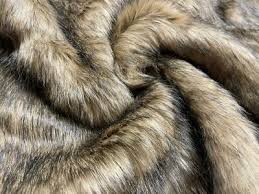
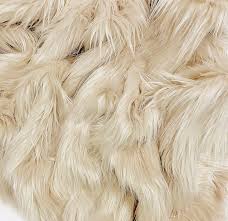
Shenzhen Harbor Textiles Co., Ltd. is a leading luxury textile fabric manufacturer based in Shenzhen, China, specializing in high-quality fabrics for fashion, home décor, and toy applications. With extensive experience in the textile industry, Harbor Textiles has earned a reputation for producing premium faux fur, fleece, plush, and toy fabrics, offering both innovation and craftsmanship to meet diverse client needs.
The company focuses on custom OEM services, providing tailored solutions for international buyers, including fashion brands, home textile retailers, and toy manufacturers. By combining advanced machinery, professional design teams, and strict quality control, Harbor Textiles ensures each fabric delivers softness, durability, and aesthetic appeal, meeting both functional and decorative requirements.
Harbor Textiles emphasizes sustainable and eco-friendly production, sourcing materials responsibly and adopting environmentally conscious manufacturing practices. Its design team continuously develops trend-driven fabric collections, including seasonal patterns, unique textures, and specialty finishes, helping clients stay ahead in competitive markets.
As a trusted partner in the textile industry, Shenzhen Harbor Textiles Co., Ltd. provides end-to-end solutions, from fabric concept and design to production, finishing, and packaging. Whether supplying luxury faux fur for fashion, fleece for home textiles, or soft fabrics for plush toys, Harbor Textiles remains committed to quality, innovation, and customer satisfaction, making it a preferred choice for brands and manufacturers seeking reliable and premium textile solutions from China.

 Harbor Textiles