High-performance synthetic substrates, protective components, and decorative materials
Decarbonization, polymer customization, and European regulatory compliance
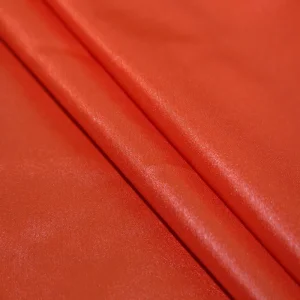
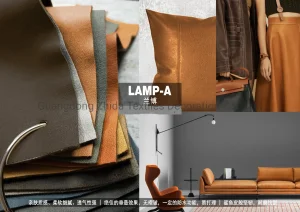
The global synthetic leather market is undergoing a structural transition. Driven by shifts in consumer preferences, strict carbon neutrality metrics, and rising demand for animal-free alternatives, industrial buyers are prioritizing low-gloss, high-tactility surfaces. Matte-finish faux leather, constructed via advanced polyurethane (PU) or bio-polyols, has emerged as the premier choice for premium automotive interiors, high-end contract furniture, and consumer electronics casings.
Unlike traditional high-gloss PVC and PU fabrics—often criticized for their artificial, plasticky texture and poor thermoregulation—modern matte-finish alternatives utilize specialized topcoats that replicate the visual depth and micro-pore structure of genuine full-grain leather. Industrial manufacturers deploy non-reflective coatings that actively scatter light, resulting in gloss ratings under 5 Gloss Units (GU) at 60 degrees.
From a commercial standpoint, the demand for CE (Conformité Européenne) certified faux leather has surged. Importers across the European Economic Area (EEA) face complex compliance landscapes. CE marking verifies that products conform to safety, health, and environmental protection standards. By procuring CE-certified matte faux leather, international buyers mitigate legal risk, guarantee the absence of harmful chemical plasticizers, and ensure structural durability that meets demanding European standards.
For industrial buyers, evaluating technical data sheets (TDS) is vital. Standard metrics for high-performance matte faux leather include:
The technological forces shaping next-generation synthetic materials
Traditional matting methods rely on adding solid silica particles to the topcoat, which can degrade the leather’s elasticity and compromise tactile softness. Advanced manufacturers now utilize 172nm Excimer UV Curing technology. This process creates a micro-folded surface structure on the liquid topcoat using short-wavelength UV light, generating a natural, durable matte finish without mechanical additives.
The chemical core of synthetic fabrics is shifting away from petroleum-derived polyurethane. High-end suppliers use bio-based polyols derived from industrial crops like castor oil, corn, and agricultural waste. Integrating these renewable raw materials allows suppliers to provide matte faux leather with up to 70% bio-based carbon content, drastically reducing the product’s cradle-to-gate carbon footprint.
To meet stringent European volatile organic compound (VOC) levels, solvent-free manufacturing is essential. Waterborne Polyurethane Dispersions (PUDs) replace traditional Dimethylformamide (DMF) solvents. PUD processes yield leather coatings that are completely free of hazardous organic compounds, making them safer for manufacturing personnel and end users alike.
How regional regulations and specifications drive material performance requirements
In the European automotive sector (Germany, France, and Sweden), interior fabrics must satisfy strict cabin air standards. Faux leather used for dashboards, steering wheels, and door cards must pass the VDA 278 thermal desorption analysis, which regulates VOC and SVOC levels. Additionally, windshield fogging characteristics (DIN 75201) mandate that matte finishes do not release condensable volatiles under solar exposure. Standard CE-certified matte PU leathers with cross-linked polymer coatings are specified here to meet these parameters.
In corporate, educational, and healthcare settings in the USA and Canada, contract fabrics must comply with ANSI/BIFMA X5.4 durability standards and flame retardancy codes such as California Technical Bulletin 117-2013 (CAL 117). For healthcare settings, the matte topcoat must withstand harsh disinfectants (including quaternary ammonium compounds and hydrogen peroxide) without peeling, hardening, or losing its anti-glare properties.
Manufacturers of laptops, headphones, VR headsets, and protective cases in Japan, South Korea, and China require ultra-thin, low-density synthetic leathers. These materials must offer high sweat resistance (ISO 105-E04) and sebum resistance, preventing degradation from skin contact. The matte topcoats are engineered with anti-fingerprint and hydrophobic finishes to maintain a clean, premium look over long periods of use.
Upholstery materials in Gulf regions like the UAE and Saudi Arabia are exposed to intense UV rays and high temperatures. Faux leather specified for outdoor hospitality spaces and marine vessels must incorporate hindered amine light stabilizers (HALS) and pass ISO 4892 accelerated weathering tests. Marine applications also demand IMO FTP Code Part 8 compliance for fire safety.
Anticipating regulatory changes, circular designs, and advanced smart textiles
Integrating state-of-the-art textile manufacturing with customized global supply chains
In an era of dynamic regulatory frameworks and volatile supply chains, industrial buyers require manufacturing partners that deliver consistent quality alongside end-to-end custom capabilities. Sourcing high-specification synthetic materials like matte-finished faux leather demands a comprehensive approach that coordinates raw material sourcing, chemical composition, substrate engineering, and rigorous final testing.
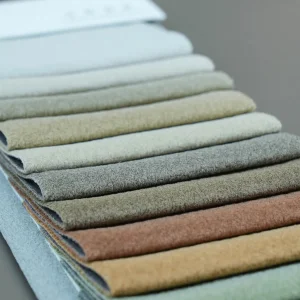
By partnering with specialized suppliers, global brands can customize every layer of the synthetic composite. Options range from choosing the appropriate base carrier—such as high-tenacity woven fabrics, breathable nonwovens, or eco-friendly fleece backings—to adjusting the elasticity, tensile strength, and hand-feel of the finished product. This ensures the material performs reliably on complex automated production lines and during upholstery processes.
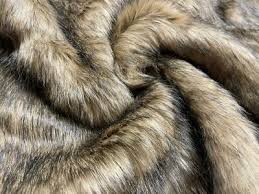
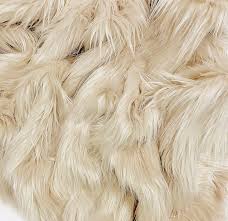
Shenzhen Harbor Textiles Co., Ltd. is a leading luxury textile fabric manufacturer based in Shenzhen, China, specializing in high-quality fabrics for fashion, home décor, and toy applications. With extensive experience in the textile industry, Harbor Textiles has earned a reputation for producing premium faux fur, fleece, plush, and toy fabrics, offering both innovation and craftsmanship to meet diverse client needs.
The company focuses on custom OEM services, providing tailored solutions for international buyers, including fashion brands, home textile retailers, and toy manufacturers. By combining advanced machinery, professional design teams, and strict quality control, Harbor Textiles ensures each fabric delivers softness, durability, and aesthetic appeal, meeting both functional and decorative requirements.
Harbor Textiles emphasizes sustainable and eco-friendly production, sourcing materials responsibly and adopting environmentally conscious manufacturing practices. Its design team continuously develops trend-driven fabric collections, including seasonal patterns, unique textures, and specialty finishes, helping clients stay ahead in competitive markets.
As a trusted partner in the textile industry, Shenzhen Harbor Textiles Co., Ltd. provides end-to-end solutions, from fabric concept and design to production, finishing, and packaging. Whether supplying luxury faux fur for fashion, fleece for home textiles, or soft fabrics for plush toys, Harbor Textiles remains committed to quality, innovation, and customer satisfaction, making it a preferred choice for brands and manufacturers seeking reliable and premium textile solutions from China.
Answering critical engineering, regulatory, and application questions
Technical fabrics, weather-proof structures, and industrial fasteners
 Harbor Textiles