Explore our premium selection of industrial, luxury, and weather-resistant textiles optimized for global buyers.

In the globalized textile industry, performance and quality are determined at the molecular and structural levels. An Interlock Knitted Fabric represents the peak of double-knit structural technology. Unlike conventional single-jersey knits, which are produced using a single set of needles, interlock fabric is manufactured using two needle beds configured in an alternating layout. This mechanical process knits two separate 1x1 rib structures directly back-to-back, intermeshing the loops in a synchronized sequence.
The result is a highly balanced, structural textile characterized by identical front and back faces. It offers exceptional dimensional stability, high density, and smooth surfaces. Since the loops lock together from both sides, interlock knit eliminates the curling behavior common in single-jersey fabrics. This structure also prevents unravelling when cut, making it a preferred material for high-end fashion, technical activewear, and protective industrial apparel.
The global market for interlock and double-knit fabrics has grown steadily, driven by the athletic apparel industry and expanding automotive applications. According to industrial manufacturing data, high-density knitted textiles account for over 30% of global knitwear exports. Key manufacturing hubs in South Asia and Southeast Asia handle bulk production, while advanced textile design houses in East Asia focus on custom finishing, multi-fiber blends, and technical coatings.
As leading exporters, manufacturers must navigate strict international quality standards. The transition toward circular knitting machines equipped with electronic needle selection has enabled high-precision production. Factories can now rapidly shift between cotton-spandex, polyester-nylon, and bio-based regenerated fibers. Below is an overview of the technical configurations and applications across major industries:
| Fiber Composition | Common Weight (GSM) | Primary Industrial Application | Key Performance Attribute |
|---|---|---|---|
| 100% Long-Staple Cotton | 180 - 240 GSM | Premium Apparel & Infant Wear | Hypoallergenic, Ultra-Soft Touch |
| Polyester / Spandex Blends | 220 - 320 GSM | High-Performance Activewear | Moisture Wicking, High Recovery |
| Nylon / Lycra Composites | 240 - 300 GSM | Compression & Medical Wear | Exceptional Tensile Strength |
| Recycled PET (rPET) / Bamboo | 200 - 260 GSM | Sustainable Fashion Lines | Low Carbon Footprint, Odor Control |
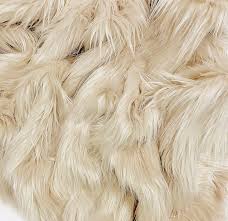
Operating from the global manufacturing and logistics hub of Shenzhen, China, Shenzhen Harbor Textiles Co., Ltd. is a leading luxury textile fabric manufacturer. The company specializes in high-quality fabrics for fashion, home decor, and toy applications. Drawing on years of industry experience, Harbor Textiles has built a reputation for producing premium faux fur, fleece, plush, and toy fabrics, combining advanced manufacturing techniques with meticulous craftsmanship to meet diverse client requirements.
By integrating double-knit interlock structures into its core material lineup, the company provides international buyers with highly stable backings for luxury upholstery and plush toy applications. This structural design prevents fiber shedding and shape distortion, even under high stress.
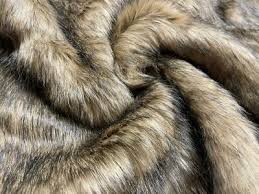
The company focuses on custom OEM services, providing tailored solutions for international buyers, including fashion brands, home textile retailers, and toy manufacturers. By combining advanced machinery, professional design teams, and strict quality control, Harbor Textiles ensures each fabric delivers softness, durability, and aesthetic appeal, meeting both functional and decorative requirements.
Harbor Textiles emphasizes sustainable and eco-friendly production, sourcing materials responsibly and adopting environmentally conscious manufacturing practices. Its design team continuously develops trend-driven fabric collections, including seasonal patterns, unique textures, and specialty finishes, helping clients stay ahead in competitive markets.
Because of its unique double-sided structure, interlock fabric is highly versatile and performs well across a range of specialized conditions:
In Western markets, consumer demand focuses on sportswear that is opaque (squat-proof) and retains its shape. Synthetic interlock fabrics made of polyester-spandex and nylon-elastane blends provide the necessary density and recovery. The double-knit structure remains opaque even when stretched, offering a reliable choice for premium yoga pants, compression gear, and athletic jerseys.
Infant wear requires exceptional softness, breathability, and non-irritating materials. Organic cotton interlock fabrics are highly suited for this application, providing a thick, cushioned layer without using synthetic chemical softeners. They comply with strict global safety standards, including OEKO-TEX Standard 100 Class I and the Consumer Product Safety Improvement Act (CPSIA).
For technical upholstery, such as luxury automotive interiors or heavy-duty furniture, interlock fabrics are used as structural backings. The double-needle configuration provides uniform mechanical properties along both horizontal and vertical axes, ensuring consistent stretch and behavior under load. This prevents deformation when laminated with polyurethane leather or memory foam layers.
The double-knit textile industry is shifting toward automated production, circular material systems, and smart functionality:
As a trusted partner in the textile industry, Shenzhen Harbor Textiles Co., Ltd. provides end-to-end solutions, from fabric concept and design to production, finishing, and packaging. Whether supplying luxury faux fur for fashion, fleece for home textiles, or soft fabrics for plush toys, Harbor Textiles remains committed to quality, innovation, and customer satisfaction, making it a preferred choice for brands and manufacturers seeking reliable and premium textile solutions from China.
Managing a global textile supply chain requires strict quality control and efficient logistics. For international buyers, the challenge lies in balancing bulk cost efficiencies with reliable lead times and strict regulatory compliance.
Our comprehensive manufacturing model addresses these needs through structured phase gates:
Explore additional technical textiles, eco-friendly consumer products, and outdoor materials.
 Harbor Textiles